

Rappelling Harness vs Climbing Harness: Tactical Guide
A rappelling harness vs climbing harness comparison starts with operational intent. A rappelling harness is engineered for controlled descent, work positioning, equipment integration, and extended suspension. A climbing harness is primarily engineered to support upward movement and arrest sport-climbing falls. Tactical procurement teams must evaluate the complete system, including rated attachment points, load paths, compatible hardware, documentation, and mission profile.
Contact Fusion Tactical USA for mission-specific harness procurement support
For defense, law enforcement, and rescue programs, selecting a harness is a system-safety decision rather than a preference. The sections below compare operational differences, standards, inspection requirements, and manufacturing assurance so buyers can specify equipment that fits the intended use.
Rappelling harness vs climbing harness: operational differences
Choosing between a rappelling harness and a climbing harness is about more than just your own taste. Each tool has a specific job. While they look similar, their design intent and load paths differ based on how you move. A sport harness helps you move up a rock wall. A Era II tactical rappel harness specifications focus on moving down safely while carrying heavy gear.
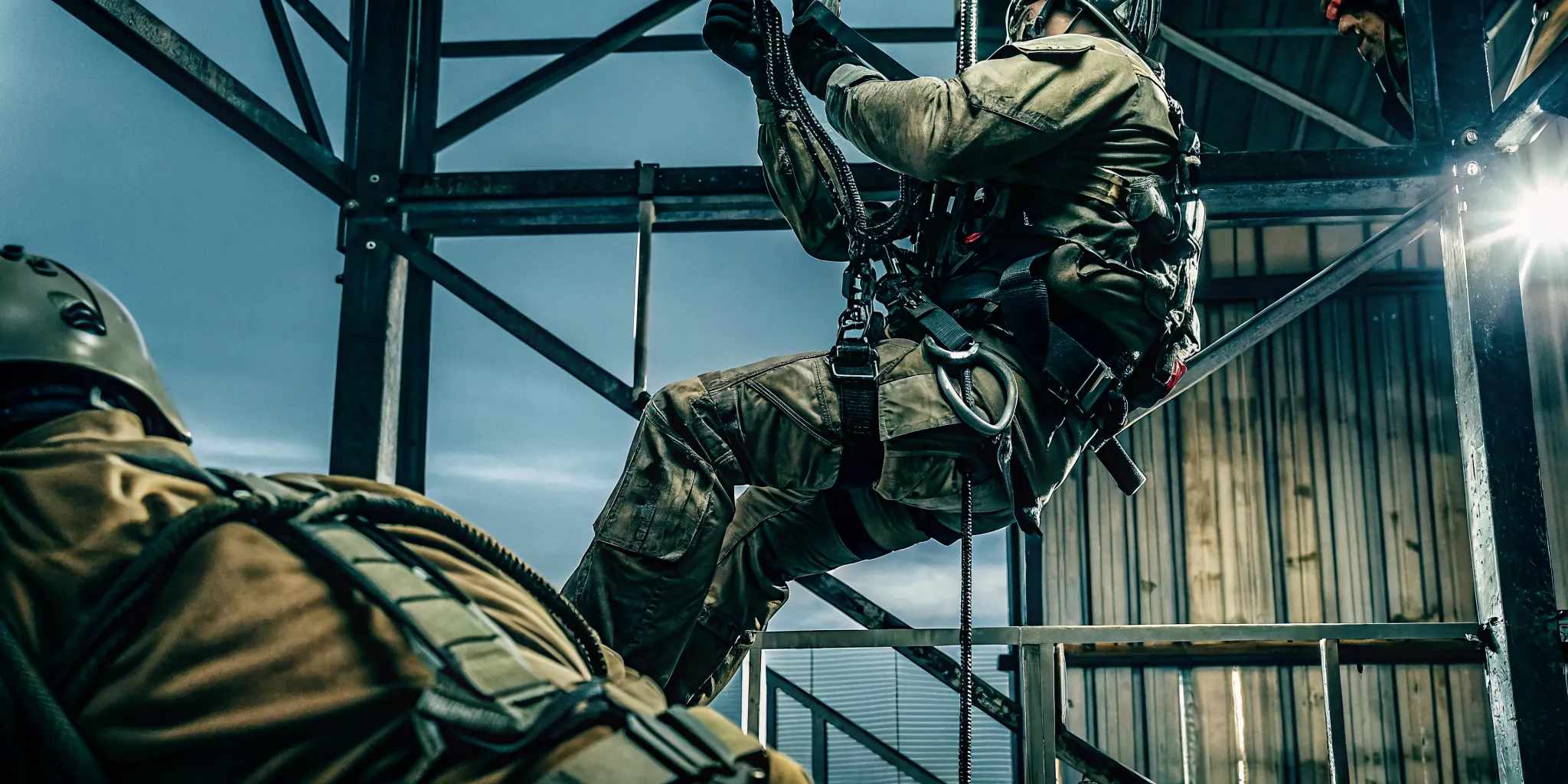
What is a rappelling harness?
A rappelling harness is a load-bearing component designed to connect an operator to a controlled-descent system. Depending on the mission and specification, it may incorporate multiple rated attachment points, reinforced webbing, work-positioning capability, and geometry intended to support stable suspension while the operator manages ropes, tools, or equipment.
Design for descent vs. ascent
Sport climbing gear focuses on light weight and ease of motion. These harnesses use a single belay loop at the waist for upward movement. In contrast, a rappelling harness is built for long times of sitting. This design helps the user stay stable during a slow descent. It often uses a lower center of gravity to keep you upright while you handle ropes or tools.
Strength also sets these two apart. Regular climbing gear uses thin mesh to save weight. Tactical and rescue gear must withstand concrete, metal, and rough dirt. These mission-critical systems use heavy-duty webbing and reinforced stitching. This ensures the gear does not fail in high-risk areas where safety is a must.
Tactical load paths and hardware
Tactical operations need specific load paths for combat-ready rappelling and extraction hardware. Unlike sport gear, professional harnesses must spread forces across the thighs, pelvis, waist, chest, and shoulders. This meets OSHA safety standards for personal fall protection systems. These systems also include D-rings for travel restraint or work during a mission.
Professional gear often has higher load ratings than sport gear. Many tactical harnesses reach 23kN or higher to handle the weight of an operator plus full combat kits. They also feature multi-purpose connection points for helo operations or rescue. These features allow for more uses than a standard gym or rock harness.
| Feature | Climbing Harness | Rappelling Harness |
|---|---|---|
| Primary Intent | Upward mobility and fall protection | Controlled descent and positioning |
| Attachment Point | High, single belay loop | Low, often multi-point D-rings |
| Gear Integration | Loops for carabiners and quickdraws | MOLLE webbing and tactical belt slots |
| Weight and Padding | Minimal weight, focused on breathability | High strength, extra seat padding |
| Load Distribution | Focused on vertical fall arrest | Focused on long-duration sitting |
| Safety Standards | UIAA, CE | MIL-STD, NFPA, OSHA |
Buying agents should look for Berry Amendment and TAA rules when buying for government use. These rules ensure the gear is made in the U.S. and meets strict quality checks. Choosing the right harness ensures that operators have the best tool for their specific mission, from fast-roping to mountain rescue.
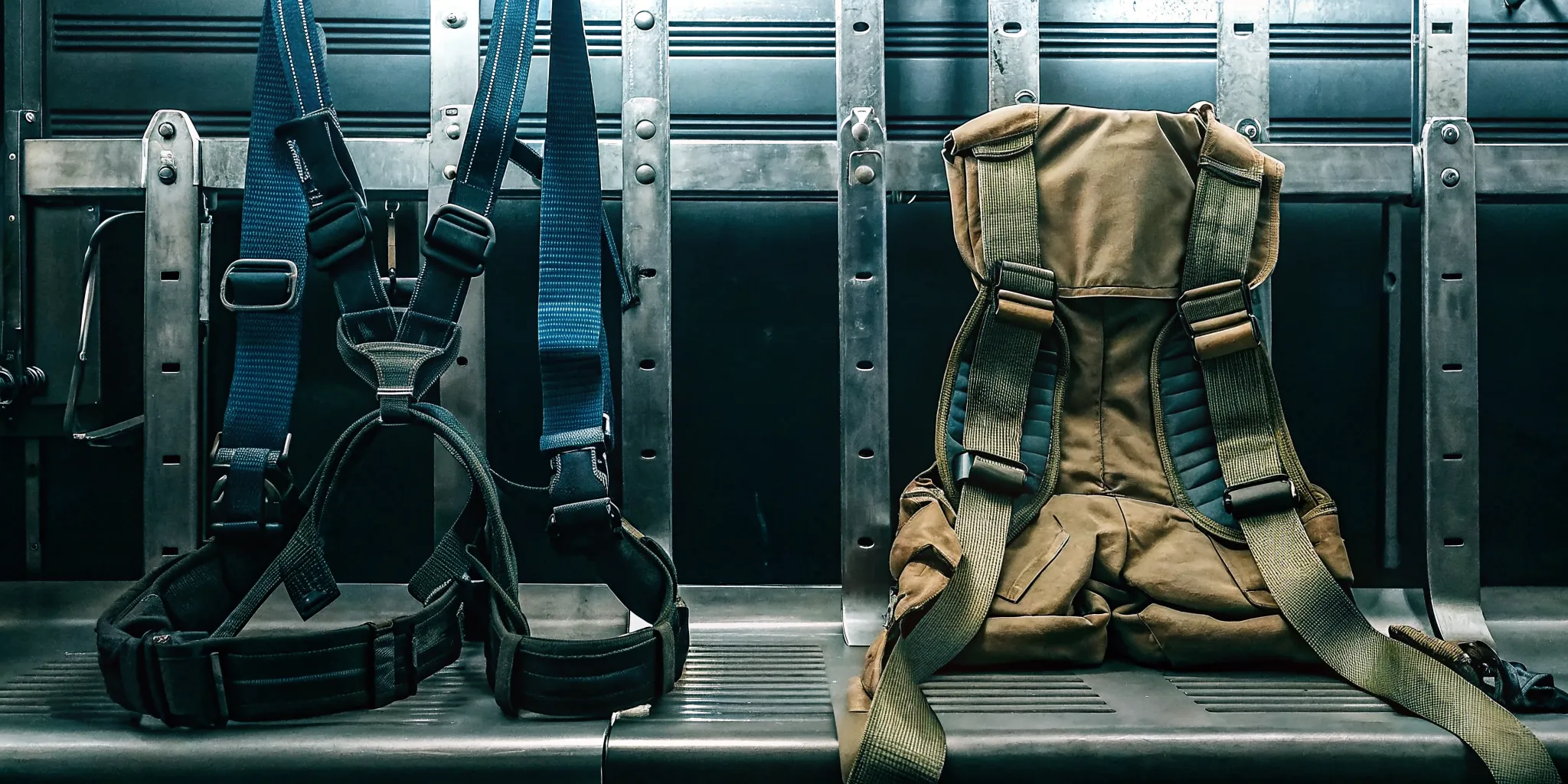
How does mission profile determine harness selection?
Your specific mission profile guides the choice of safety gear. A team needs different tools for a fast rope exit than for a slow rescue. The task sets the load cases the system must handle. You must match the gear to the job to keep the team safe in high-risk zones.
Load cases describe the forces a harness will face. A simple descent puts less stress on the gear than a sudden fall. Technical teams must plan for these forces before they start. Using the wrong gear for the profile can lead to system failure when it matters most.
Defining the mission profile and load cases
The mission profile lists the goals and risks of a job. It shows if you need gear for simple travel or for hard work. Choosing a rappelling harness vs climbing harness depends on these details. Standard climbing tools often lack the points needed for tactical work.
Expert teams need tools built for their specific tasks. You should look at purpose-built tactical rappel harness to see what fits your mission. A clear profile helps you pick a system that can take the stress of field use. This ensures every piece of gear works together as a full safety system.
Comparing fall arrest and work spots
Some tasks focus on stopping a fall while others help with work spots. You may need to hang in place to clear a path or use a tool. A tactical harness must spread the force of a fall arrest across the body. This includes the waist, chest, and shoulders to meet ANSI safety standards for professional use.
Controlled descent needs a system that handles heat and friction well. Standard gear for sport climbing may not have the right kN load ratings for these events. High-speed descents generate a lot of heat in the hardware. Technical teams look for systems that allow for both ascent and descent with ease. Using the right hardware ensures the system stays secure during the mission.
Fall capture is another vital load case for tactical teams. The system must catch a user quickly and safely if they slip. Unlike sport gear, tactical systems often have more than one hook-in point. This allows the user to stay steady while they wait for help or continue the move.
Impact of suspension time and rescue needs
Suspension time is a key factor in gear choice. If a team must hang for a long time, the harness needs more padding. Poor gear can cause health risks like leg numbness during long missions. Thick leg loops and wide waist belts help spread weight to keep the user alert.
Rescue tasks also need multi-use points to help move people or gear safely. These points must be easy to find and use in the dark or in bad weather. How parts fit is a must when you add lanyards or gear to the mix. All parts must meet the same high standards to ensure the whole system works.
Rescue systems must allow for quick changes in the field. You should choose specialized rope rescue harness engineering for these high-risk jobs. A multi-use system helps the team adapt to new risks as they find them. Reliable hardware is a must when failure is not an option in a mission-critical zone.
Attachment points, load paths, and system compatibility
The way a harness handles force is a key part of its build. When you look at a rappelling harness vs climbing harness, you must see how they spread weight. A sport climbing harness uses one main loop to catch a fall. This works well for light, single-load uses. But a pro tactical harness must do more. It often needs to hold a person in place for a long time. These systems use many points to connect gear. This makes sure the user stays safe and can move during a job.
Safe points for mission gear
Tactical gear uses strong metal rings called D-rings. These act as integral attachment elements for safety systems. On a sport harness, you usually have one belay loop. On a tactical model, you may find points on the front, sides, or back. This build allows for user retention and work placing. It helps the user stay in one spot while using their hands. This is a big part of rappelling harness vs climbing harness use. Sport gear is made for moving up a wall. Tactical gear is built for hanging in place or fast descents.
The tactical harness product details include these extra points. They allow for the use of rope leads and rescue gear. These points are often made of high-strength steel. They are built to handle the rough use of field work. Each point has a specific job. Using the wrong point can lead to gear failure. Always check that your gear is set up the right way.
How forces spread through the system
A good harness must spread fall forces across the body. This includes the waist, thighs, and pelvis. Some full-body models also use the chest and shoulders. This spreads the load to keep the user from getting hurt. Sport harnesses focus mostly on the legs and waist. They are made to be light. Tactical gear is often heavier because it uses more straps. These straps help keep the user upright during a long hang. This is vital for helo jobs or SPIE rescue missions.
Load paths in tactical gear are often tested to high levels. Many items meet or exceed MIL-STD rules. They also use higher kN load ratings than sport gear. This means the gear can hold more weight without breaking. This is needed for missions where gear failure is not an option. It also helps when carrying heavy tools or weapons. A sport harness might not handle the extra weight of a full kit.
Gear fit and system safety
All parts of a safety system must work together. This means the rope, the harness, and the clips must fit. Using the wrong size rope or a weak link can be bad. Tactical harnesses are built to work with rated hardware. This includes metal clips and rope tools that meet strict rules. Using sport gear with heavy tactical tools can cause fast wear. It can also change how the load paths work.
Before any mission, a person with the right skills must check the gear. They look for wear on the straps and rings. They also make sure the system is fit for the task. Mixing gear that does not match can cause the system to fail. Always use gear that is made for the job. This keeps you safe in high-risk spots where every link counts.
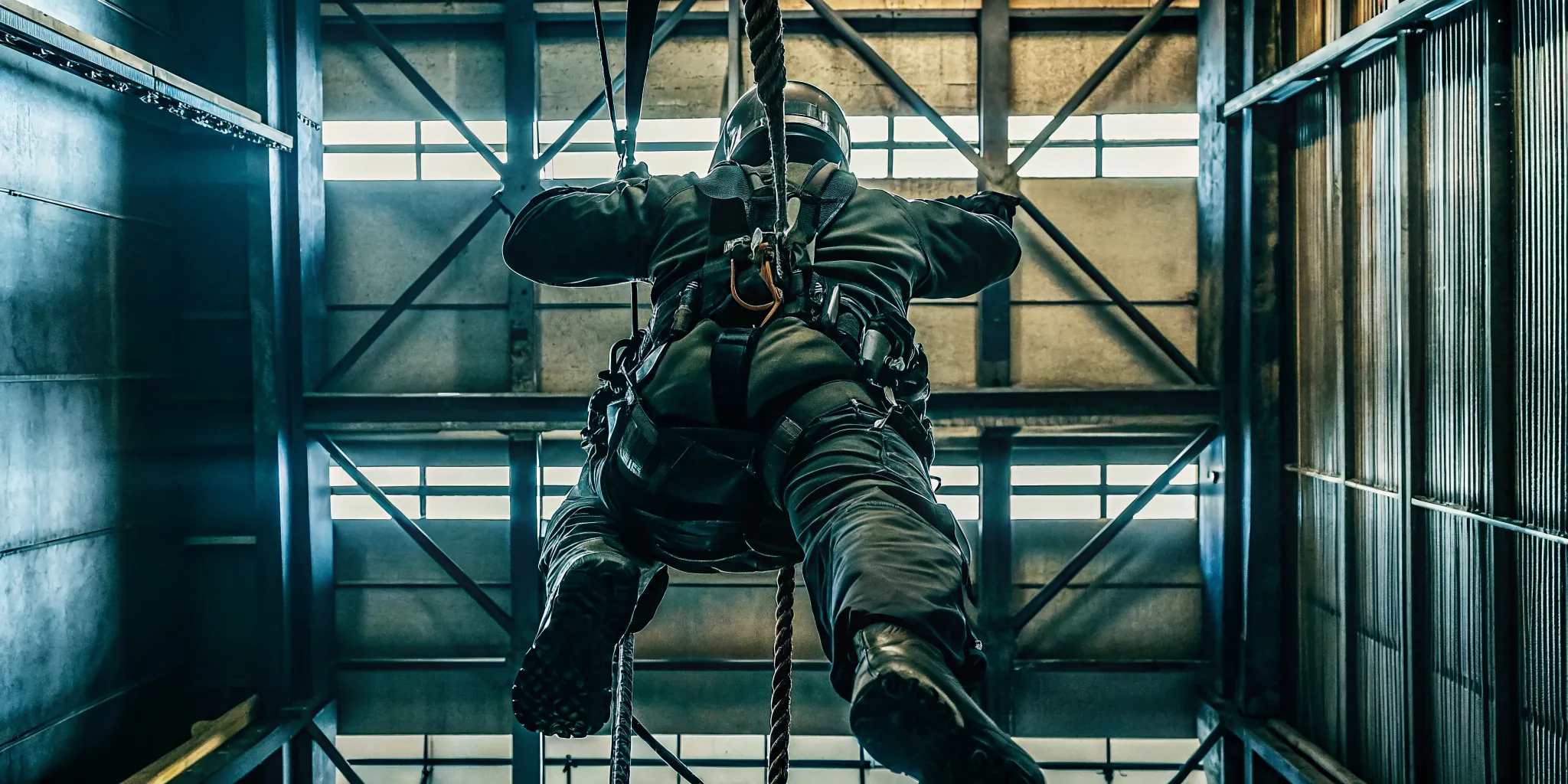
How should procurement teams evaluate a tactical harness?
Buying life-safety gear for a unit needs a strict review. Teams must look past the style of the gear and focus on the math of the load. A sport climbing harness might look like a rappelling harness, but the two serve different goals. While a rated rappel harness configuration include multi-point load sharing, sport gear is often made for light weight and single-use falls.
Define the mission and load
The first step is to list every way the team will use the gear. Will they use it for fast-roping, helo work, or just a quick descent? A tactical harness must hold the weight of the person plus their plates, ammo, and tools. This total weight must stay within the rated limits of the gear. You should map out every hazard the team might face to ensure the gear can handle the stress of the job.
Check standards and safety data
Procurement must check that the gear meets the right rules. A competent person should review all test data from the maker. This data shows how the gear holds up under force. For U.S. teams, check for Berry Amendment and TAA rules. These rules ensure the gear is made in the U.S. and meets high quality goals. Always look for a CAGE code to confirm the maker is a known vendor for the government.
- Define the mission: List the tasks the gear must do, such as rappelling or air extraction.
- Map hazards and loads: Find the total weight of a full kit and find the force it puts on the gear.
- Identify specifications: Match the gear to MIL-STD, ANSI, or NFPA rules based on your needs.
- Review test reports: Ask for load-rating data and kN strength reports to prove the gear is safe.
- Assess gear integration: Ensure the harness works well with plate carriers, belts, and specialized rope rescue harness engineering.
- Evaluate traceability: Confirm the maker tracks every part of the build to ensure top quality.
- Validate with experts: Let your unit trainers test the fit and feel of the gear before you buy it.
Verify build quality and origin
Top gear comes with a paper trail. Look for a maker who uses an ISO 9001:2015 system. This shows they track every stitch and part they use. When you compare a rappelling harness vs climbing harness, look at the hardware. Tactical gear uses rated D-rings and steel buckles that can handle more force than plastic or light parts. This build is key for gear meant for high-risk work where failure is not a choice.
Standards, documentation, and manufacturing assurance
Choosing between a rappelling harness vs climbing harness often comes down to the rules the gear must follow. Sport gear is built for fun and light use. But pro gear must handle the hard life of a mission. This is where standards and records play a big role. Without proof of safety, a harness is just a group of straps. A pro team needs more than just a brand name; they need data.
Procurement teams can cross-check the applicable requirements using primary sources, including NFPA 2500, OSHA 1910.132 personal protective equipment requirements, and FAR Subpart 25.4 on trade agreements. The solicitation, agency policy, and intended use determine which requirements apply.
Test reports and part ratings
Every piece of gear for duty use must have a clear history. This is often called a paper trail or a tracking system. It means that every clip, buckle, and strap can be traced back to the factory. You need to know that the metal used in a ring was tested and passed. This type of record keeping is what keeps teams safe in the field. It allows a shop to pull a batch if a flaw is found later.
Most sport gear lacks this deep level of tracking. For a pro team, the risk is too high to guess. They need to see test reports that prove a harness can hold a specific weight. For example, OSHA 1910.140 rules say a body harness must spread the shock of a fall across the waist, chest, and thighs. This design keeps an operator from getting hurt during a sudden stop. It is a key part of Era II harness engineering.
Making gear in the U.S. for safety
Where a harness is made also matters for safety and law. Many tactical teams must buy gear that meets the Berry Amendment. This means the gear is made in the U.S. using local parts. This is a must for many defense and law teams. It ensures that the making process is watched closely and stays within the law. It also means parts are easy to get and check.
U.S. making also helps with TAA rules for government sales. This focus on high quality is why combat-ready rappelling and extraction hardware is often built to last longer than sport gear. It is not just about strength. It is about having the right papers to show that the gear meets every rule. Pro gear also features higher kN ratings. These ratings show how much force a part can take before it breaks. In a rescue, you need every bit of that strength to keep the team safe.
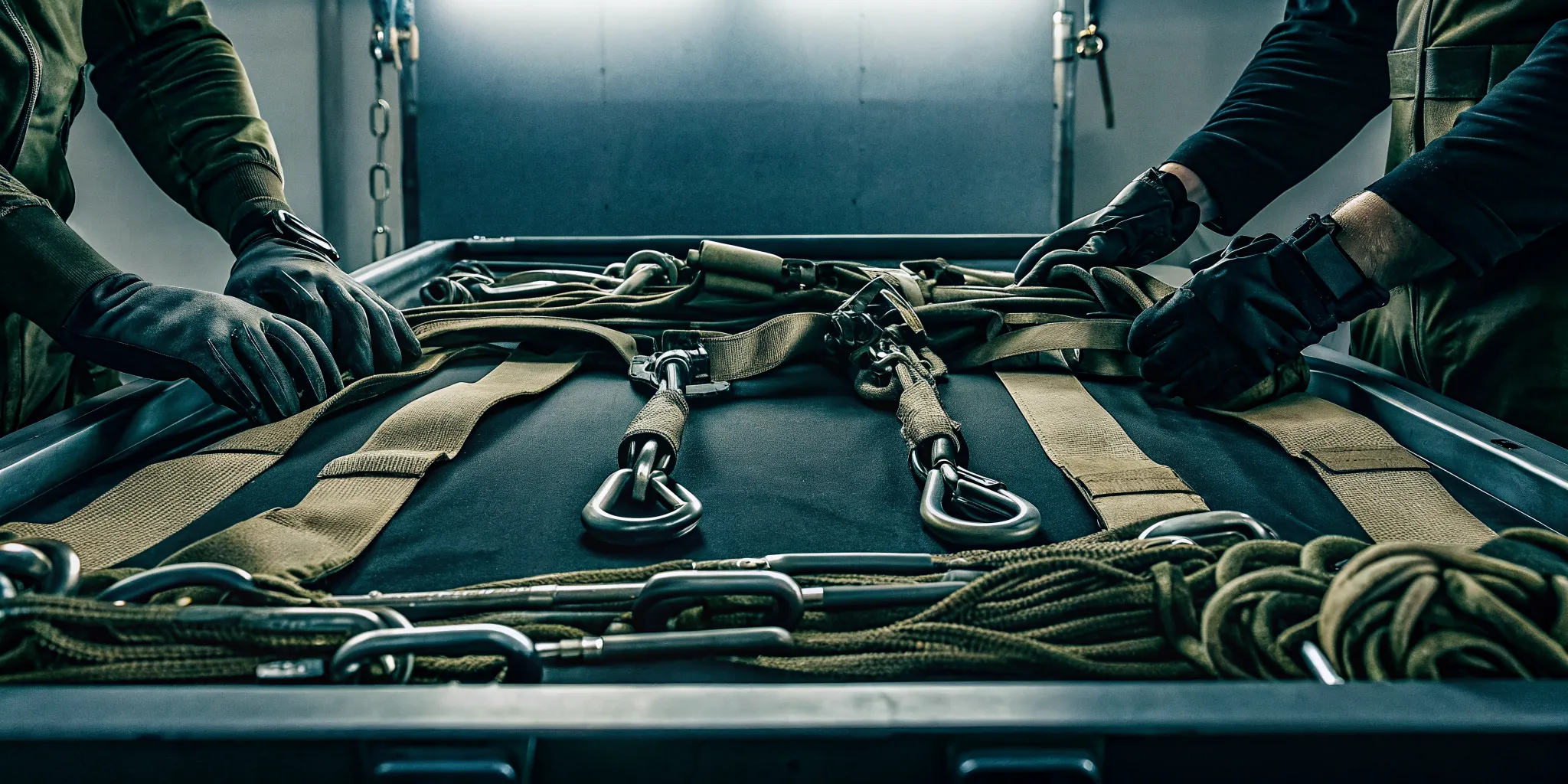
Checks by a skilled person
Even the best gear can wear out over time. That is why check rules are so vital. A "competent person" must look at every harness on a regular schedule. OSHA defines this as a person who can find hazards and has the power to fix them. They look for frayed edges, rust on metal, or weak stitches. This person ensures that the gear still meets the same standards as the day it was made.
A good record of these checks is part of a team's safety plan. It shows that the gear is still fit for use. When you compare a rappelling harness vs climbing harness, you will see that pro gear often has tags for these records. These tags make it easy to see when the last check happened. This type of care is what keeps specialized rope rescue harness engineering working as it should. It keeps the gear ready for the next call, no matter how tough the task may be.
Why tactical integration changes the comparison
Choosing between a **rappelling harness vs climbing harness** for work means looking at the big picture. In a tactical world, the harness is one part of a larger gear kit. A sport climbing belt often fails when you try to use it with heavy body armor or duty belts. You need a system built to work with your full load to keep you safe and ready for the job.
Fit with armor and duty gear
A true tactical harness must fit over thick layers of cloth and plate carriers. Sport gear often lacks the room or the straps to fit over a full duty suit. If a harness is too tight, it can stop you from moving well or pinch your skin. This makes it hard to do your job during high-stress tasks or long shifts.
Most climbing belts use thin pads that can shift when you wear a heavy pack. Tactical units need gear that stays in place while they run or climb. This means the leg loops and waist belt must work with your other gear, not against it. Fusion systems use wide, stiff belts to spread the weight of your tools and armor.
Snag safety is also a key part of how these tools are made. Unlike sport gear, tactical models use low-profile loops and buckles. These parts stay flat against your body so they do not catch on doors, brush, or ship parts. This design keeps you from getting stuck in tight spots when every second counts.
Safety points and rescue tasks
Field work often needs more than just a way to slide down a rope. You might need to stay tied to a deck or be pulled out of a zone by a line. These tasks need combat-ready rappelling and extraction hardware that can handle many types of force. A standard sport belt is not built for these fast, high-risk moves.
Expert gear uses D-rings as main points for fall safety or travel control. Per OSHA safety rules, these parts must be secure points for your gear. Top rappelling harness needs also call for high load ratings. This ensures the gear holds up when you carry a full pack and tools.
Gear health and life cycles
In the field, you must be able to put on and take off your gear fast. This is known as donning and doffing. Quick-release buckles help you drop gear in a pinch, such as a crash or a fire. Sport belts usually use slow buckles that take too much time to open when you are in a rush.
- Quick-release buckles for fast gear drop.
- Easy straps for thick or thin suits.
- Rated points for SPIE or STABO rescue.
- Clear tags to track the age and health of the belt.
Care and checks are also vital for safety. Each harness should have clear marks to track its age. A competent person must check the system to find any wear or flaws. This tracking keeps your team safe by making sure no old or weak gear stays in use. Using purpose-built rope rescue harness engineering ensures your kit meets these high standards.
Can one harness type substitute for the other?
Choosing between a rappelling harness and a climbing harness is not just about the name on the tag. Many users ask if they can use one for the other task. While some features seem the same, substitution carries high risks. Safety in the field depends on using gear for its intended mission. Labels alone do not make a tool fit for a new job. True safety comes from following ratings and formal risk checks.
Intended use and safety ratings
Each piece of gear has a specific goal. A sport climbing harness helps a person climb up a wall. It is light and handles single loads well. But tactical gear must meet rigorous load testing to stay safe in the field. These systems often need to meet MIL-STD or NFPA benchmarks. Using a light sport tool for a heavy tactical drop can lead to gear failure. Always check that the tactical rappelling harness specifications match your specific mission.
Design and connection points
The layout of a harness changes how it works. Tactical tasks need spots for gear and operator retention. These points are not found on standard climbing sets. Professional sets must spread fall forces over the waist, chest, and thighs as per OSHA safety rules. A climbing harness might not have the right D-rings for a tactical belay. This lack of points makes it a poor choice for rescue or combat tasks. It is best to use specialized rope rescue harness engineering for high-risk work.
Training and risk checks
Before you swap gear, you must think about the risks. A person with the right skills should check the gear first. This expert can find hazards that others might miss. They ensure that all parts of the system work together. This check is a key part of OSHA personal fall protection standards. Without this review, a swap can be a grave error. Safety comes from following set steps and known limits for each tool.
Frequently Asked Questions
What is the main difference in a rappelling harness vs climbing harness for tactical use?
Standard climbing harnesses are built for sport climbing and often lack the attachment points needed for operator retention. Tactical work needs professional gear that can handle many loads and give handy connection points for mission safety. Using sport gear for high-risk work can lead to gear failure in areas where safety is vital. For expert use, workers should always pick hardware made for mission-critical safety and strength.
What safety standards must a tactical rappelling harness meet?
Expert tactical harnesses must meet strict safety rules to ensure they stay safe for the user. According to OSHA, body harnesses must spread fall forces across the thighs, pelvis, waist, chest, and shoulders. Tactical gear should also meet or exceed MIL-STD and industry safety marks for load tests. These rules help the gear survive the heavy stress of defense and law enforcement missions while keeping the expert worker safe.
Why do tactical harnesses require higher kN load ratings than sport gear?
Tactical rescue or helicopter work involves complex load paths and mission-critical stress that sport climbing gear cannot handle. Tactical harnesses often have higher kN load ratings to help them manage many loads and stay strong during heavy lifts. This specialized build makes sure the gear stays safe in high-risk areas where equipment failure is not an option. Expert shops like Fusion Tactical focus on making high-performance systems for these tough needs.
Are tactical harnesses Berry Amendment and TAA compliant?
Buying gear for government and defense contracts needs equipment that meets specific and strict legal rules. Expert tactical harnesses made in the United States, like those from Fusion Tactical, are built for Berry Amendment and TAA compliance. These marks are vital for law enforcement and military buyers who need safe and American-made systems. Picking compliant gear makes sure that the equipment meets all federal rules while providing mission-critical results.
Ready to secure your mission-critical gear?
Using the wrong gear for high-risk work puts your team at risk and slows down your mission. When you rely on gear that does not meet high standards, you face the cost of failure in the field. Every day you wait to fix your kit is a day you lack the right tools for the job. You need gear that meets all rules and stays tough under load. Do not let old or weak tools hold you back from doing your best work. Start your procurement now to get the gear you need to stay safe and stay ready for your next task. Doing this now means your team will be ready when the call comes. You will get the peace of mind that comes from using gear made in the USA that meets every test.
Ready to specify the right system? Talk to a tactical equipment expert to contact Fusion Tactical USA for mission-specific equipment and procurement support.


