

Government Tactical Equipment Procurement Checklist
Government Tactical Equipment Procurement Checklist
Government tactical equipment procurement requires more than comparing unit prices. Procurement officers must verify mission fit, system-level load ratings, compliance evidence, material traceability, configuration control, production capacity, and lifecycle support before fielding load-bearing equipment.
Contact Fusion Tactical USA for mission-specific procurement and custom manufacturing support.
Government tactical equipment procurement requires a deep review of technical specs, safety proof, and U.S. manufacturing to ensure total field state for all teams. Procurement officers must look beyond low costs to verify that gear meets mission needs while following strict federal rules like the Berry Amendment. According to official federal guidelines, the Department of Defense must pick local sources when buying textile items to keep a strong supply chain. By asking clear questions about load ratings and rules, agencies get high-quality gear that is both legally valid and technically safe. This process ensures that every piece of gear is ready for field use and meets every legal rule for government use.
Government tactical equipment procurement starts with the mission
Government tactical equipment procurement must start with a deep look at the mission. Procurement officers often face pressure to buy gear fast. But picking gear without a clear plan leads to risk. You must define the mission goals before you look at hardware. This helps you find tools that work for your team in the field.
Start by looking at the hazards your team will face. Think about the work site and the climate. Different zones place unique stress on gear:
- High-heat zones that stress both gear and users.
- Wet or damp zones that cause wear or rust.
- Rough terrain that needs tough webbing and metal.
You should also think about the team using the gear and review Fusion Tactical USA's tactical hardware guidance when defining connector and assembly requirements. The size and shape of the users matter. Gear must fit the team and work with other tools they carry. If the gear does not link well with current tools, it can fail.
The team includes experts like rescue squads and defense agents. Each person has unique needs based on their role. You must track how the gear fits with personal tools like packs or vests. If a belt does not work with a harness, it creates a gap in safety. These links are key to a successful mission.
Understand the job mission
A good mission plan lists every task the gear must help with. You should look at how often the team will use the gear. Is it for daily use or rare urgent tasks? This helps you set the right bars for quality and wear. You also need to know the clear hazards of the job. For example, helo teams need gear that keeps them safe during fast moves. Buyers can use the company's overview of helicopter retention lanyards to frame role-specific retention questions.
When you plan for high-risk jobs, you must follow federal rules. This includes looking at TAA compliance needs for all tactical gear. Buying from trusted U.S. shops ensures the gear meets high standards. It also keeps your supply chain safe from bad parts.
Define life safety rules
Life-safety systems need strict rules for how they work. Procurement teams can also review Fusion Tactical USA's discussion of tactical equipment and fall protection when translating mission hazards into performance requirements. You must set clear marks for what the gear can do. This includes load ratings and stress tests. Every part of a harness or lanyard must hold up under pressure. Use technical specs to judge if the gear is fit for duty. Do not guess on safety when lives are on the line.
Approval rules act as the final check for new gear. You must list the exact results you need to see. This could be a specific kN rating or a fail-safe move. If the gear does not hit these marks, it must not be used. Clear rules help you reject bad gear before it reaches the field.
Move beyond lowest cost models
Many agencies use the lowest price to pick gear. This is a common trap in government tactical equipment procurement. For life-safety tools, the lowest bid is often not the best choice. You must look at how the gear works over time. Low-cost gear may wear out fast or fail in the field. This leads to higher costs later and puts teams at risk.
The DHS SAVER program suggests looking at fit and service support instead of just the price tag. Gear should match the clear needs of the team. It must also have long-term help from the maker. Choosing gear based on value rather than just cost saves lives. It also ensures the team has the best tools for the job.
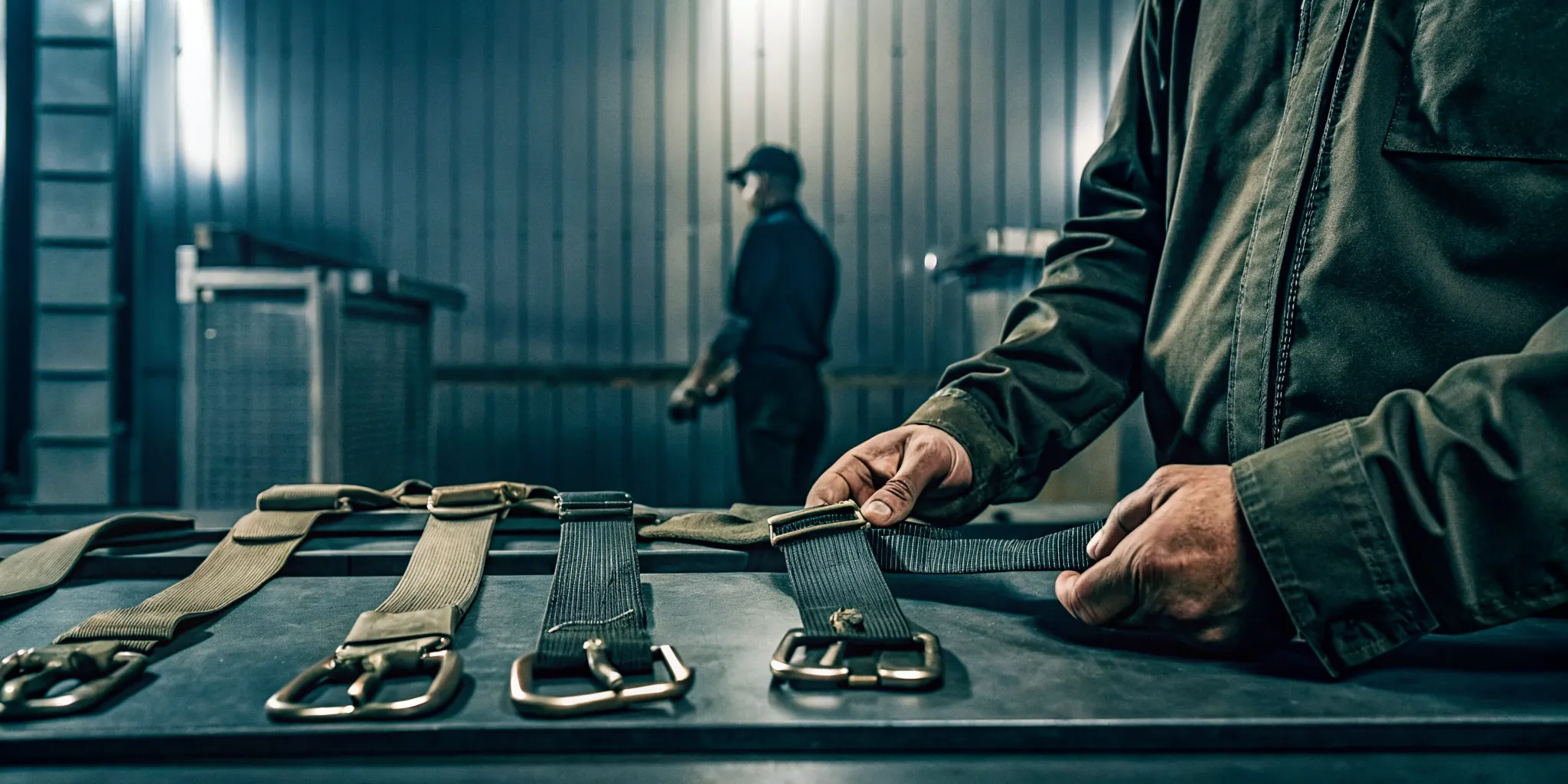
What load ratings and test evidence should buyers request?
Safe government tactical equipment procurement starts with clear load ratings. Buyers must know that a tool works as it should in high-risk spots. You should ask for test data that proves a system can hold up under stress. This proof helps you find gear that meets real world needs.
Check system load ratings
Do not just look at one part of the gear. You need to see how the whole unit holds up. A strong belt may fail if the buckle is weak. Ask for the rated strength of the full set. Good gear should list its limits in kilonewtons (kN) to show how much force it can take. Technical teams use these numbers to judge safety in the field.
You should also ask for pass-fail rules from the tests. Seeing how a vendor tests their gear shows if they take safety seriously. A provider should be able to give you a lab report for their products. This report should match the specific tools you plan to buy for your team.
Verify test certificates and standards
Real certificates are a must for any buyer. These papers prove that the gear meets set rules like ANSI Z359 or OSHA. You can find more on these rules in the SAVER guidance for standards. This guide helps you pick tools that are fit for use. It ensures you do not waste funds on gear that might fail.
Also, check for the maker's CAGE code. This five-digit tag shows the firm is set up to work with the state. You can find this code through the Defense Logistics Agency. A valid code means the vendor is known and tracked by the government.
Ensure compliance with federal law
Laws like the Berry Amendment and TAA change how you buy gear. These rules say where your equipment must come from. You should ask vendors if their goods are made in the U.S. or other approved spots. The Berry Amendment is key for items made of cloth or fiber. It helps you keep your spend in line with federal law.
Checking for TAA status is also wise. This rule applies to gear on GSA schedules. You can learn more at the GSA TAA page. Working with a firm that knows these rules saves you time and stress. It helps you avoid legal snags during the buy process.
How should procurement teams verify compliance?
Procurement teams must verify that government tactical equipment procurement meets strict safety and legal marks. This process starts with finding which federal rules apply to the gear. For example, clothing and textile items often need Berry Amendment compliance to ensure they come from U.S. sources. Teams should ask for paperwork from vendors to prove these claims before they buy.
Check for federal rules
Different types of gear trigger different legal needs. Tactical gear bought with federal funds must often meet TAA rules. This means the goods must be made in the U.S. or a TAA-designated country to be fit for GSA contracts. Officers should check for these rules early to avoid legal issues later.
It is also vital to check if any gear is blocked by current policy. For instance, some federal grant funds cannot be used to buy items like silencers or large guns. Verifying these limits helps ensure that agency spending stays within the law and stays fit for long-term use.
Review technical and safety marks
Beyond legal rules, gear must meet high safety marks. Procurement teams should use programs like SAVER to find data on commercially available equipment and how it fits mission needs. These marks ensure that tools like harnesses or rescue gear can handle the stress of high-risk tasks.
When you check a vendor, ask for their CAGE code to verify their status. This five-character ID is a standard way to track firms in the federal system. It allows you to check a firm's history and path before you sign a contract.
| Compliance Type | Primary Focus | Key Requirement |
|---|---|---|
| Berry Amendment | Textiles and Fabrics | Must use 100% U.S. sources |
| TAA Compliance | GSA Schedule Items | Made in U.S. or chosen country |
| SAVER Guidelines | Emergency Equipment | Meets operational safety marks |
| OJP Restrictions | Grant-Funded Gear | Avoids blocked weapon types |
Can the supplier prove traceability and configuration control?
Traceability is a must for government tactical equipment procurement. You need to know that every part of your gear meets high standards. A good supplier keeps clear records for every item they make. This includes where they got the materials and who worked on the product. These records help you find the source of any issues that might come up later. You should check if your partner uses unique codes to track each lot or serial number.
Tracking materials and lots
Safe gear starts with good materials. Suppliers must track every batch of fabric, metal, and plastic they use. This lot traceability ensures that all items in a group share the same quality. If a material fails a test, the supplier can quickly find which products have that same part. For textile items, you must verify that the maker follows the Berry Amendment rules. This law requires the use of domestic fabrics for certain defense gear.
Your partner should also keep records of their inspections. These files prove that the gear passed every safety check before it left the shop. Reviewing these records helps you trust the equipment your team uses in the field. Procurement officers should look for clear lot and material tracking to ensure long-term support and safety. You can find more tips on gear selection through the SAVER program.
Managing changes and records
Configuration control keeps your gear consistent over time. It means the supplier has a master list of all parts and steps used to build a product. When they want to change a part or a process, they must tell you first. This change notice helps you ensure the new version still meets your needs. Without this control, you might get gear that looks the same but performs differently.
Good record retention is also a key part of the process. Suppliers should save their build and test data for many years. This data is vital if you need to fix a problem or buy the same gear again later. Unique identifiers like a CAGE code help you track these entities in the federal system. Clear records and strict controls make your procurement process much safer and more reliable.
How should lead times and lifecycle support be evaluated?
Planning for lead times is a core part of government tactical equipment procurement. Most buyers look at the unit price first. But smart officers know that speed and long-term support are just as vital. A low price means little if the gear does not arrive when the mission starts. You must check how a vendor moves from a first design to a full order.
Mission needs often change fast. Your suppliers must be able to keep up with new demands. This means you should look at their history of on-time delivery. It also means checking their surge capacity for large orders. This part of the work helps you avoid gaps in your supply chain during a crisis.
Assessing production timelines
A vendor should give clear dates for each phase of the work. This starts with the prototype stage. You need to know how long it takes to make the first test unit. After that, you must look at the test phase. This is when the gear must meet safety rules. Missing a date here can delay the whole project by months.
You also need to plan for first-article approval. This is the final check before mass production begins. Groups should look for vendors who use local supply lines to cut down on wait times. Using local sources often makes the process much faster. This is why many buyers choose a government safety equipment guide to find trusted U.S. shops.
Managing lifecycle and support
The life of tactical gear does not end at delivery. You must plan for gear checks and repair. Gear like harnesses and lanyards needs regular checks to stay safe. A good plan includes a look at how easy it is to get spare parts. If a vendor stops making a certain buckle or strap, your whole fleet of gear could become useless.
Long-term support is about more than just parts. It is about having a partner who knows your mission. Solid firms give clear guides for gear upkeep and disposal. They also help with changes if a certain material is hard to find. As noted by the Department of Homeland Security, you should weigh long-term support just as much as the first cost. This keeps your team safe over the full life of the equipment.
Steps for lead time and support planning
Use these steps to build a solid timeline for your next gear order. These points help you track the project from the first bid to the final hand-off.
- Set clear dates for prototypes. Tell the vendor exactly when you need the first test units. This keeps the early design phase on track and avoids slow starts.
- Verify the first-article approval steps. Make sure the vendor knows how to submit the first production samples. This step is vital to ensure the mass-produced gear meets your specs.
- Check the vendor's surge capacity. Ask how much extra gear they can make if your needs grow. A shop that can scale up fast is a key asset during a sudden mission.
- Build in time for gear checks. Never plan a delivery date that is too close to your mission start. Give your team enough time to check the gear for any flaws or shipping damage.
- Plan for spare parts and repairs. Ask the maker how long they will support the gear after the sale. You need to know you can get repairs or spare parts for years to come.
Following these steps helps you manage risk in your supply chain. It ensures that your gear is not just high quality, but also ready when it matters most. Solid lifecycle support protects your investment and your team.
Build a defensible procurement evaluation checklist
A solid review matrix is the core of good **government tactical equipment procurement**. It moves the focus from the lowest price to the best value and mission fit. A clear checklist helps buyers ensure every piece of gear meets safety and legal rules. This plan cuts the risk of gear failure and legal issues during the buy.
Core metrics for mission fit
The first step in any buying plan is to define the needs of the team. Gear should be judged on its work, fit, and how well it works with other tools. For harness procurements, the SPIE rigging harness overview provides useful operational context for building evaluation criteria. The System Assessment and Validation for Emergency Responders (SAVER) program says buyers should put safety first. You can find more on these buying rules from main sources. This ensures the gear is fit for the high-risk work it will handle.
Mission fit also includes looking at the long-term support for the tools. This means checking if the maker can provide repairs, parts, and help over the life of the gear. It is not enough for a belt or harness to work on day one; it must stay tough for years. Checking the total cost over time helps teams make a smart choice for their budget. High-quality U.S.-made tactical gear offers better long-term value than cheap options.
Compliance and tracking controls
Buying teams must check that all items follow federal laws like the Berry Amendment. This needs a deep look at the supply chain to ensure every part is from a trusted source. Tracking is key to proving that gear meets these rules. A vendor should be able to show a clear path from the raw parts to the final product. This data is vital for keeping a strong contract file and stopping legal risks.
It is also key to check that the gear does not fall under any banned lists. For instance, some gear is banned for use with federal grant funds under certain rules. The Office of Justice Programs lists banned and controlled gear that buyers must follow. Checking these rules early stops a buy from being stalled by a legal breach. It keeps the project on track and ensures that funds are used the right way.
Quality and risk checks
A strong checklist must include a review of the maker's build systems. Buyers should look for firms with ISO 9001:2015 marks to ensure good build quality. This review should also look at the vendor's CAGE code and past record on other contracts. A strong record of U.S.-based making and design is a sign of a trusted partner. These checks help find supply risks before you sign the contract.
To build a solid matrix, you should verify these facts:
- Confirmed CAGE code and active SAM status.
- Proven Berry Amendment and TAA status for all parts.
- Signed lab reports for load ratings and break points.
- Trackable part logs for all fibers and hardware.
- Past record on like government contracts.
Lastly, look at the test data given for the gear. This includes load ratings, break points, and part safety facts. Do not rely on sales claims; ask for lab reports from a third party. This proof shows that the gear will not fail in the field. By adding these marks to your matrix, you build a strong case for your choice. This protects both the users in the field and the team's buying process.
Frequently Asked Questions
What procurement considerations are critical for tactical load-bearing equipment?
Buyers must look past the first cost when they get gear. You should focus on how well the gear works in the field and if it stays safe. The DHS says you should use set rules to check if tools are fit for use. Checking for long term help and how the gear fits your mission is a top goal for any team. This helps you pick tools that keep your people safe in the line of duty.
How do I ensure compliance with TAA and Berry Amendment requirements?
To meet federal rules, you must check where your gear comes from. The Berry Amendment tells the Department of Defense to buy fabrics from U.S. sources. For GSA deals, the Trade Agreements Act says goods must be made in the U.S. or a set country. Always ask for a note of origin from the seller. This proof helps you avoid risk and shows that your agency stays in line with trade laws.
What is the role of CAGE codes in government tactical gear procurement?
A Commercial and Government Entity code is a five-character ID for a firm. The DLA says these codes find and track vendors in the supply chain. You need this code to check that a maker is a real legal group. It is a key part of the check for any new shop. Using these codes helps you know who you buy from. It also makes it fast to get new gear for your team.
How do I check if tactical gear is eligible for grant funding?
To use federal grant money, your gear must match the Authorized Equipment List. You can check the SAVER list to find tools that meet these rules. Some funds have strict bans on gear like large guns or silencers. Always check the latest rules to see what your money can buy. This step keeps your agency safe from losing funds and helps you get the best tools for your mission.
Ready to secure your next procurement contract?
Choosing the wrong gear is a risk you cannot take. If you wait to check your specs, you may face gear failure at the worst time. This delay can lead to lost time, high costs, and real danger for your team in the field. You need a partner who knows how to build gear that meets the most strict rules. We make sure your tools are Berry and TAA compliant so your team stays safe and your work stays on track. Starting this work today gives you the lead time you need for custom buys and tight dates. Do not leave your mission success to chance when you can start your review right now. Our experts are ready to help you plan your next buy with full trust in your gear.
Ready to request gear for your next mission? Call (909) 393-9450 to talk to an expert about your needs.


