

Tactical Rescue Harness vs Industrial Fall Protection Guide
For a government buyer, selecting a harness is not simply a matter of comparing webbing strength or choosing the higher load rating. The equipment must match the intended load path, user movement, anchor interface, and evidence required for the mission and contract.
The tactical rescue harness vs industrial fall protection decision turns on design intent. Industrial systems are primarily configured for OSHA-governed workplace fall arrest, while tactical rescue harnesses must support broader demands such as retention, extraction, suspension, and mobility. A harness can have impressive component ratings and still be unsuitable when the complete system has not been evaluated for its intended use.
That distinction affects standards review, technical documentation, configuration control, and supply-chain requirements. Understanding how each system is designed to manage forces and interfaces is the first step toward a defensible procurement decision.
Schedule a procurement consultation to compare tactical rescue harness and industrial fall protection systems against your mission requirements. Contact Fusion Tactical USA or call (909) 393-9450 to discuss standards, load ratings, and government procurement needs.
How Are Tactical Rescue Harness and Industrial Fall Protection Fundamentally Different?
The core difference is operational intent. A tactical rescue harness is designed to support mission-specific positioning, suspension, extraction, and equipment integration. While industrial fall protection is primarily designed to arrest a vertical fall within a defined workplace system. The distinction matters because harness performance depends on the complete load path, not the rating of one component.
Two harnesses can use similarly rated webbing, buckles, and connectors yet perform very differently when connected to anchors, lanyards, extraction lines, or armor packages. Tactical rescue systems must bridge fall protection requirements with dynamic loading and mobility demands during extraction and retention. Industrial systems prioritize predictable fall-arrest performance and workplace compliance. As a result, procurement teams should evaluate the intended mission and complete system interface before comparing product specifications.
| Evaluation area | Tactical rescue harness | Industrial fall protection |
|---|---|---|
| Primary operational intent | Support mission-specific positioning, suspension, extraction, retention, and mobility. | Arrest a fall in a defined workplace environment and limit fall-related injury risk. |
| System interfaces | May integrate with tactical anchors, extraction lines, lanyards, armor packages, and other mission equipment. | Typically interfaces with approved workplace anchors, connecting devices, and fall-arrest subsystems. |
| Design emphasis | Multi-mission functionality, dynamic loading, operator mobility, equipment integration, and controlled suspension. | Repeatable vertical fall arrest, user protection, inspection, and authorized workplace use. |
| Procurement evidence | Mission requirements, component ratings, test evidence, traceability, and configuration control. | Compliance records, inspection instructions, and documentation defining authorized use. |
| Operational risk | Failure to account for extraction loads, movement, suspension posture, or connected equipment can compromise the mission. | Incorrect selection, setup, inspection, or use can undermine fall-arrest performance and workplace compliance. |
For procurement purposes, the question is not simply whether a harness has a high load rating. The question is whether the harness, connectors, anchors, and mission accessories are engineered and verified to work together for the required load paths. Fusion Tactical describes tactical rescue harnesses as systems that bridge fall protection standards with dynamic extraction and retention requirements, rather than treating them as interchangeable workplace PPE. See the tactical rescue harness equipment specification when assessing a mission-specific configuration.
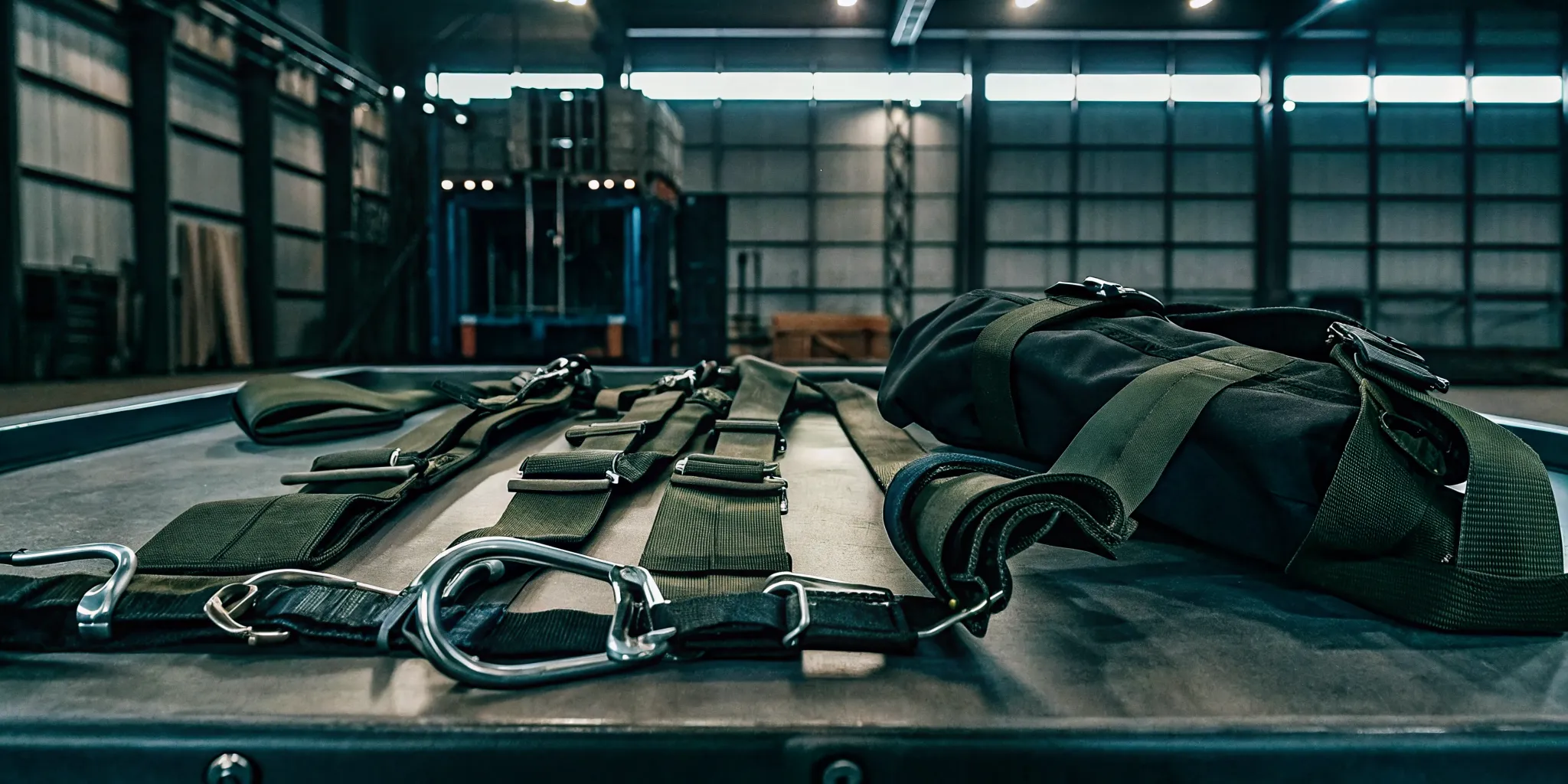
What Standards Govern Each Harness Type?
Standards are the starting point for selecting a harness, but they do not replace an application review. Industrial fall protection is generally evaluated against OSHA requirements in 29 CFR 1910 and 1926, with ANSI Z359.1 serving as a key consensus standard for personal fall-arrest systems. The compliance question is usually whether the complete workplace system provides appropriate vertical fall arrest, inspection, and user protection.
Industrial fall protection: workplace fall arrest requirements
For industrial applications, the governing framework centers on the defined workplace hazard and the employer's fall-protection program. OSHA requirements establish the regulatory baseline, while ANSI Z359.1 helps specify the design and performance expectations for the equipment and system. That distinction matters during acquisition: a harness should be evaluated with its compatible connectors, lanyards, anchorages, instructions, and inspection procedures rather than as an isolated product.
Fusion Tactical's industrial fall protection harness belongs in this type of defined-use assessment. Buyers should match the selected configuration to the approved work environment and the applicable employer procedures.
Tactical rescue: mobility, extraction, and life-safety interfaces
Tactical rescue systems have a broader engineering problem. In addition to fall protection, they may need to support positioning, suspension, operator retention, extraction, and integration with mission equipment. Tactical harnesses therefore may be evaluated against ANSI Z359.11-2014/2022, relevant MIL-STD requirements, and hardware standards such as EN 362 for connectors and EN 12275. EN 12277 addresses harness requirements, while NFPA 2500-2022 may be relevant to technical rescue equipment and operations.
Fusion Tactical harnesses are engineered to ANSI Z359.11-2014/2022 and CSN EN 12277 standards. The design intent differs from commercial fall protection because tactical mobility and multi-mission functionality must be considered alongside life-safety performance. A shared rating or similar webbing material does not make two harnesses interchangeable.
What evidence should a buyer request?
Standards references should be supported by controlled technical documentation, configuration details, and test evidence. Fusion Tactical reports independent verification of tactical hardware load ratings through third-party laboratories, including John Batchelor Testing. Its ISO 9001:2015 certification also indicates a formal quality-management framework for controlled manufacturing processes. For federal acquisition, buyers should separately verify domestic sourcing and contract requirements, including Berry Amendment and TAA applicability. These procurement rules address supply-chain eligibility, not whether a harness is suitable for a particular operational load path.
The practical test is simple: identify the mission, then map the complete system. Require evidence that the exact configuration meets the applicable standards and operating limits.
How Do Procurement Requirements Differ Between Tactical Rescue and Industrial Systems?
The procurement file should prove more than a harness's peak rating. For a tactical rescue harness, the buyer must connect mission requirements to the complete load path, component evidence, and controlled configuration. For an industrial fall-protection system, the file should establish regulatory compliance, inspection procedures, and authorized use within the defined workplace application.
-
Tactical rescue harness procurement checklist
1. Define the mission. Document whether the system will support operator retention, extraction, positioning, suspension, or multiple functions. State the expected anchors, connectors, armor or equipment interfaces, movement requirements, and foreseeable loading conditions. This prevents a general-purpose fall-arrest specification from being treated as a complete rescue requirement.
2. Verify every component and load path. Request ratings for webbing, stitching, attachment points, hardware, connectors, and any integrated subassemblies. Review test evidence for the finished configuration, not only isolated components. Independent verification of tactical hardware load ratings through third-party laboratories is part of Fusion Tactical's stated quality approach. Review Fusion Tactical's engineering and product standards.
3. Require traceability. The supplier should identify applicable materials, production controls, inspection records, and test documentation. Traceability allows the program team to connect delivered equipment to its evidence package and investigate any issue without relying on informal product descriptions.
4. Control the configuration. Record the approved model, size range, components, attachment points, accessories, and revision level. A substitution that preserves a nominal rating can still change the system's load path or mission suitability. Procurement officers should verify both regulatory compliance and operational suitability before deployment, including Berry Amendment and TAA requirements. See Berry Amendment compliant tactical gear.
-
Industrial fall-protection procurement checklist
1. Identify the workplace hazard and applicable requirements. Define the fall-arrest or restraint application, compatible anchors and connecting subsystems, user population, and site conditions. Request the applicable OSHA and ANSI compliance records for the specified system.
2. Collect inspection instructions. The procurement package should include pre-use and periodic inspection procedures, retirement criteria, cleaning guidance, storage requirements, and instructions for documenting findings. These controls are essential because an approved harness can become unsuitable through damage, contamination, alteration, or wear.
3. Confirm authorized use. Retain the manufacturer's instructions, user limitations, compatibility requirements, training expectations, and approved configuration. Do not assume that a tactical rescue harness is interchangeable with an industrial system because both use rated hardware.
For government acquisition, Fusion Tactical's supplier profile includes CAGE Code 0KQN1, SAM.gov registration with UEI JSR6VV16YGH5. Small Business Certification #2011930, more than 40 NAICS codes, and dual Berry Amendment and TAA compliance. Those credentials help procurement teams evaluate both the equipment evidence and the supplier's contracting fit.
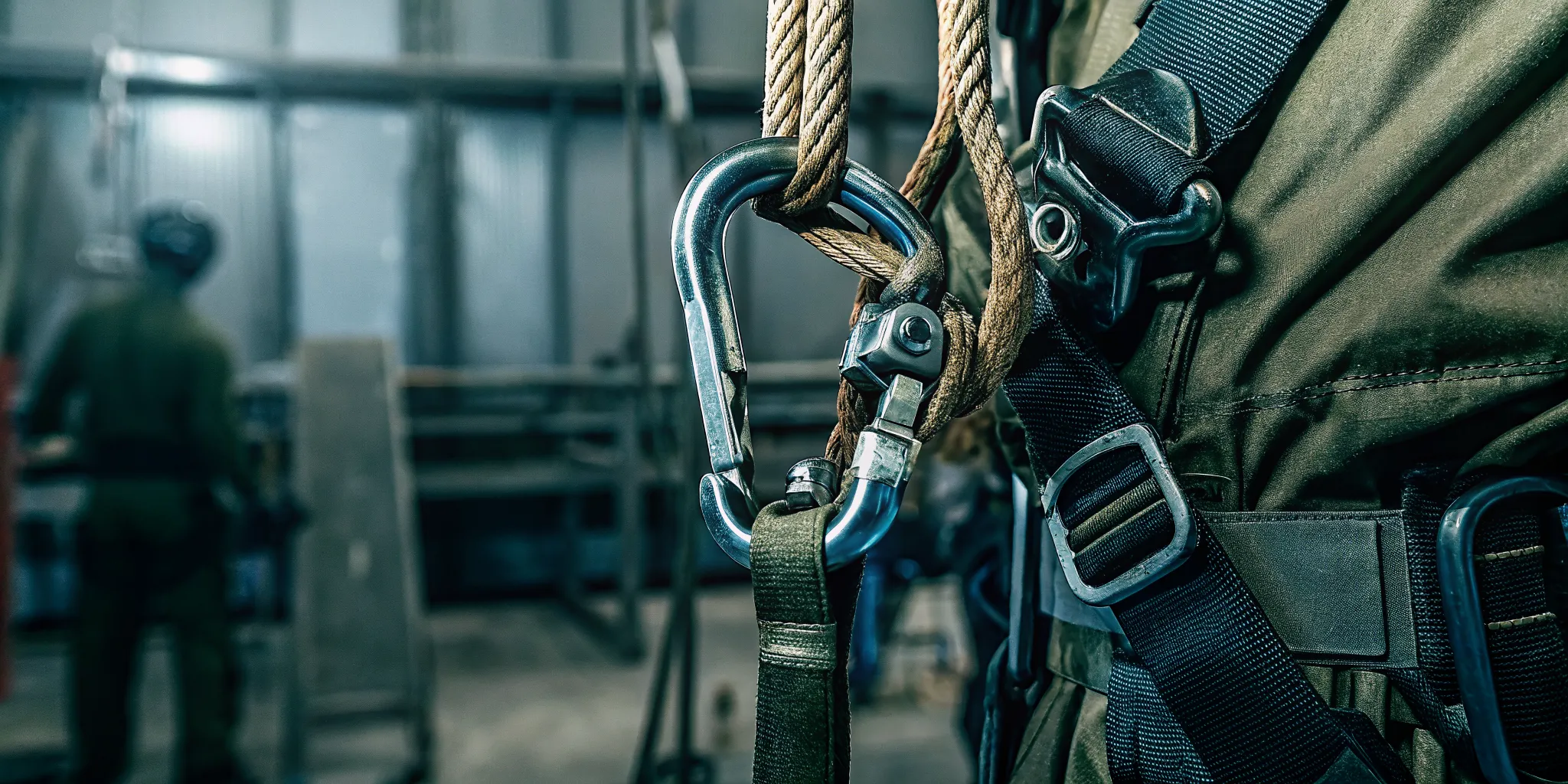
Can a Tactical Rescue Harness Be Used for Industrial Fall Protection?
Only when the exact harness, configuration, and complete connected system satisfy the requirements for the industrial task. A tactical designation does not establish workplace fall-protection suitability. A high component rating does not prove that the assembled system will perform as required during a fall arrest.
The decision starts with intended use. Industrial fall protection is selected for a defined workplace hazard and fall-arrest application. While a tactical rescue harness may be engineered for positioning, suspension, extraction, retention, or integration with mission equipment. Those functions can create different loading conditions and different interface requirements. Fusion Tactical describes this distinction as the need for tactical harnesses to bridge fall-protection standards with dynamic loading requirements for extraction and retention (source on tactical harness design and standards).
What must be verified before industrial use?
Procurement and safety teams should evaluate the full system, not the harness in isolation. Verification should include:
- Intended use: Confirm that the manufacturer authorizes the exact harness for the specific industrial fall-arrest task.
- Anchorage and load path: Confirm that the anchor, harness attachment point, connectors, lanyard or lifeline, and energy-management components work together as one qualified configuration.
- Clearance and impact conditions: Account for fall distance, possible swing, obstructions, connector orientation, and the forces transferred through the system.
- Rescue planning: Establish how a suspended worker will be recovered after an incident, including access, equipment, and trained personnel.
- Documentation: Review applicable OSHA and other requirements, test evidence, inspection instructions, limitations, and authorized-use documentation.
Two harnesses can use comparable webbing or display similar strength ratings yet remain non-interchangeable once connected to different anchors, connectors, extraction lines, or equipment packages. Independent load verification is valuable, but it does not replace system-level qualification for the intended industrial application. When the manufacturer cannot document that suitability, specify an appropriate industrial fall protection harness instead.
Why Government Buyers Should Differentiate These Systems Before Acquisition
Procurement teams should treat the distinction between a tactical rescue harness and industrial fall protection as a systems decision, not a product-label preference. Selecting equipment for the wrong operating environment can create mission limitations, regulatory noncompliance, and avoidable supply-chain gaps. A harness with an impressive component rating is not automatically qualified for extraction, retention, suspension, or the complete anchor and connector configuration required by a tactical mission.
Verify compliance against the contract, not only the catalog page
Industrial fall protection is generally selected around defined workplace hazards and applicable OSHA and ANSI requirements. Tactical rescue equipment must also address dynamic loading, operator mobility, mission-specific interfaces, and configuration control. Procurement officers should require documentation that connects the proposed harness to its intended use, including applicable standards, component ratings, testing evidence, inspection requirements, and traceability.
For federal acquisitions, source eligibility is equally important. Fusion Tactical supports projects requiring both Berry Amendment and Trade Agreements Act (TAA) compliance, giving buyers broader eligibility coverage than suppliers that emphasize only one of those requirements. Review the company's Berry Amendment compliant tactical gear capabilities alongside the solicitation and agency-specific sourcing rules.
Assess supplier readiness and continuity before award
Supplier qualifications can reduce risk when they are relevant to the mission and documented clearly. Fusion Tactical operates under an ISO 9001:2015 quality management system, holds CAGE Code 0KQN1, and supports more than 40 NAICS codes across defense, aerospace, and related industrial markets. Its NASA partnership provides additional evidence of experience working to demanding quality expectations, while custom orders can typically be produced within one to two weeks.
These details do not replace technical qualification. They help buyers evaluate whether a supplier can support configuration discipline, contract eligibility, and responsive fulfillment after award. A defensible acquisition file should show why the selected harness matches the mission. Which requirements it satisfies, and how the supplier will support the program through delivery and sustainment. For mission-specific requirements, review Fusion Tactical's government and defense contracting services or request an engineering consultation.
Before selecting between a tactical rescue harness and an industrial fall protection system, request an engineering consultation and government pricing. Contact Fusion Tactical USA or call (909) 393-9450 to review standards compliance, load ratings, and procurement documentation.
Frequently Asked Questions
What is the difference between a rescue harness and a fall protection harness?
A rescue harness supports mission-specific positioning, suspension, extraction, and equipment integration. An industrial fall protection harness is primarily configured to arrest a workplace fall within a defined protection system. The correct choice depends on the required load path, movement, attachment points, and operating environment.
Can you use an industrial fall protection harness for tactical rescue?
Not automatically. An industrial harness may lack the mobility, attachment configuration, or sustained-load capability required for extraction and retention operations. Use it for tactical rescue only when the exact harness and complete connected system have been evaluated against the mission requirements and applicable standards.
What standards apply to tactical rescue and industrial harness systems?
Industrial systems commonly require OSHA workplace compliance and applicable ANSI Z359 requirements. Tactical systems may also require ANSI Z359.11, MIL-STD criteria, and relevant EN standards such as EN 12277 or EN 362. Procurement teams should verify the manufacturer documentation for the specific configuration, not rely on a product category alone.
Are tactical rescue harnesses and industrial fall protection systems interchangeable?
No. Similar materials or stated load ratings do not make two systems interchangeable. Their performance depends on how the harness interfaces with anchors, lanyards, extraction lines, armor, and other components. A qualified review should confirm the complete system's intended use, compatibility, and tested load path.
What evidence should government buyers request before purchase?
Request mission requirements, component ratings, test evidence, traceability, and configuration-control records for tactical equipment. Also verify applicable compliance documentation and domestic sourcing requirements, including Berry Amendment and TAA status when required by the contract. Independent load-rating verification can provide additional procurement confidence.
Ready to Define the Right Harness System?
Government procurement decisions benefit from reviewing mission requirements, applicable standards, and system interfaces before finalizing a configuration. Fusion Tactical USA can help translate those requirements into a clear engineering path for your program. Request a custom engineering consultation to discuss your application, documentation needs, and next steps with the team.


