

Rigger Belt Load Ratings: What Buyers Must Verify
For tactical procurement teams, a rigger belt rating is useful only when the supplier identifies exactly what was tested: an individual component, the completed belt assembly, or both. Confusing webbing strength with complete-system performance can introduce avoidable operational and contractual risk.
A strong rigger belt is a vital life-safety tool for skilled operators during rescue work or personal retention when gear failure is not an option. These belts usually use tough nylon webbing with breaking strengths over 5,000 pounds, but the webbing rating does not show the strength of the whole system. For example, OSHA says that all safety belt hardware must withstand a load of 4,000 pounds without cracking, breaking, or taking on any lasting damage. Buyers must verify that the maker tests the completed belt as one unit to ensure it provides the high level of safety needed for field work. Reliable gear is vital for defense pros who depend on rated parts to stay safe during hard missions and quick moves in high-risk zones.
What does a rigger belt load rating actually mean?
Procurement summary: A rigger belt load rating is meaningful only when documentation defines the tested item, test method, failure threshold, and intended-use boundary.
A rigger belt load rating is a technical claim about strength. It tells you how much force the belt or its parts can handle before they fail. But one number rarely tells the whole story. For pros in high-risk jobs, knowing the gap between a part rating and a system rating is vital for safety.
Break strength versus working load
Technical specifications often list minimum breaking strength, the force at which a material or component fails under a defined test. Some belts use 1.75-inch webbing with published strength values between 5,000 and 8,000 pounds. That figure is not a safe working load or proof of completed-belt performance. Procurement teams should require the supplier to define the applicable design factor and use boundary.
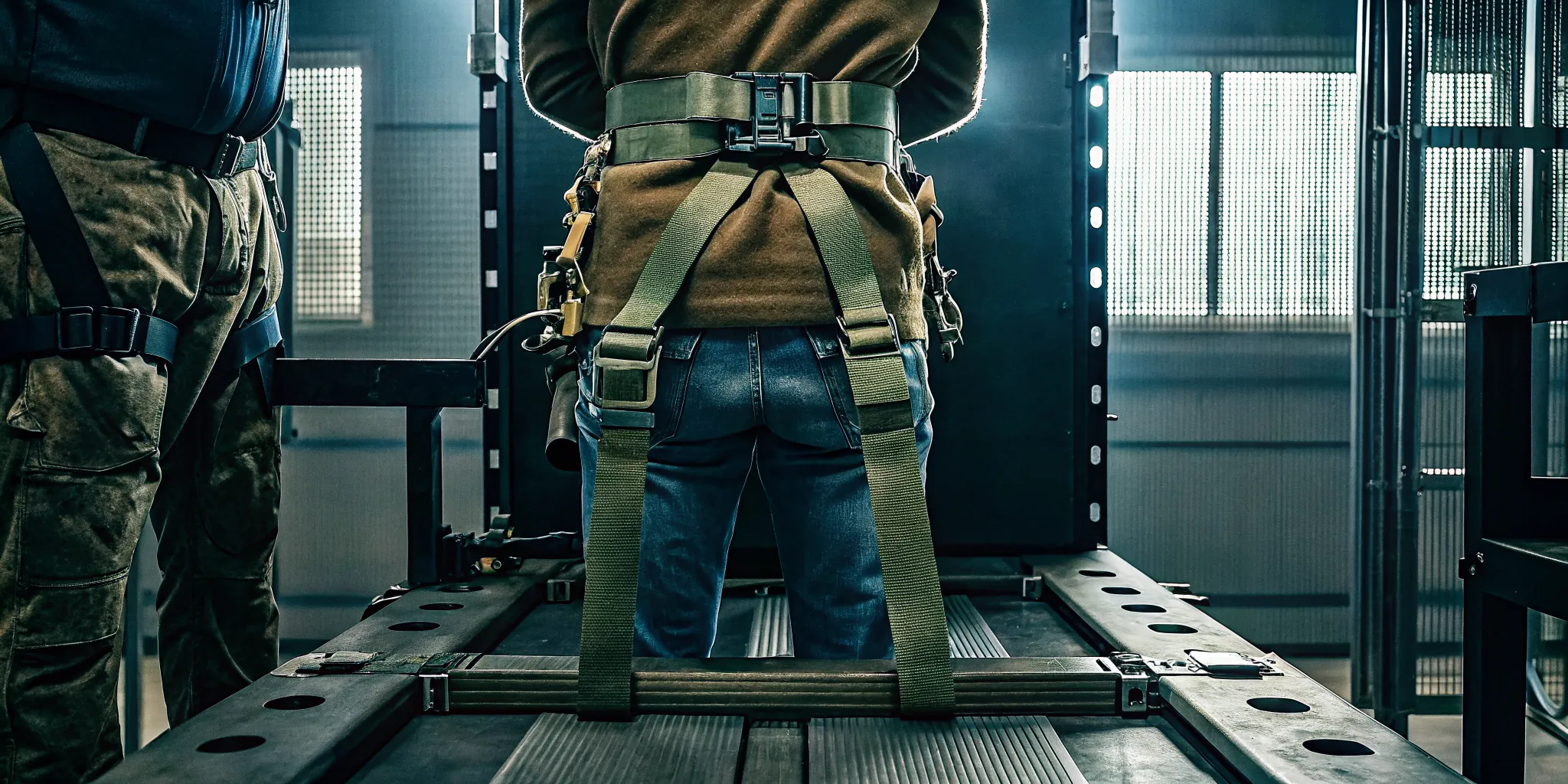
Federal rules often guide these ratings. The federal safety rules (OSHA) require clear marks for safe loads on rigging tools. Without these marks, a user might guess wrong about what the gear can do. You should check your tactical rigger belt specs to see if the rating covers the whole belt or just the webbing.
The weak link in belt hardware
A belt is only as strong as its weakest part. You might have webbing rated for 8,000 pounds, but the buckle or V-ring could be the limit. OSHA rules state that safety belt hardware must withstand at least 4,000 pounds of force. If a buckle fails at a low weight, the high strength of the webbing does not matter.
Elite makers like Fusion Tactical use rated hardware to ensure every part is tough. They focus on U.S.-made parts that meet strict rules for defense and law work. When you buy a belt, look for the rating of each piece. A good belt will show that both the buckle and the strap can handle the job.
System ratings and life safety
There is a big gap between a rated belt and a life-safety harness. A rigger belt may have a high load rating, but that does not make it a tool for rappelling or fall arrest. A full system rating comes from testing the entire belt as one unit under exact loads. Most belts are not tested this way.
Never assume a belt is safe for life-safety use just because it has a 5,000-pound claim. True life-safety gear must meet rigid codes like NFPA or ANSI. These tests look at how the belt shifts under load and if it stays on the body during a fall. For most users, a rigger belt is a second tool, not a main way to stop a fall.
Always check your gear before each shift. Look for frayed edges or cracked metal. A rated belt that is worn out is no longer safe to use. If you need gear for a high-risk mission, talk to experts who know how to build systems that meet federal procurement rules.
Why component ratings are not complete-system ratings
A rigger belt is more than just a strap and a buckle. It is a safety system built from many parts. Each part has its own strength rating. A buckle might hold 4,000 pounds. The webbing might hold 8,000 pounds. But these numbers do not tell you the strength of the whole belt. You must look at how the parts work together as a single unit.
The weakest link in the system
The strength of a rigger belt depends on its weakest point. In many cases, this is not the metal or the fabric. It is often the place where they meet. For instance, a buckle could be very strong on its own. But if the belt design is poor, the webbing might slip through the buckle. This slip can happen at a much lower weight than the single ratings of the parts.
Common failure points in a belt system include:
- Weak or uneven stitching that breaks under stress.
- Webbing that is too thin to stay tight in a buckle.
- Hardware that bends or cracks when pulled at an angle.
These issues show why you cannot trust a rating based only on one part. You need to know the tactical rigger belt specifications for the full build. A single weak stitch can make a strong buckle useless in a crisis.
Interface between hardware and webbing
How the hardware and webbing fit together is vital. The way the webbing wraps around the buckle affects the total strength. If the webbing is too thin or too thick for the buckle, it may not hold well. This join is where many systems fail during testing. Even high-quality parts can fail if they do not match the design of the belt.
Safety rules often focus on these parts. For instance, OSHA mandates that belt hardware must hold a load of 4,000 pounds. This rule helps ensure that the metal parts are strong enough. But it does not mean that the whole belt will meet that mark. The way the belt is sewn and put together changes the final result. You should always check for a safe working load mark on the gear itself.
Test setup and results
The way a belt is tested also matters. Lab tests often pull on parts in a straight line. This is called a static load test. But in the field, a belt might be pulled from many sides. This changes how the load hits the stitches and the buckle. A buckle that holds 4,000 pounds in a straight pull might fail at 2,000 pounds if pulled sideways.
The fit of the belt is another factor. If the belt is not tight, the hardware may not lock well. This can lead to sudden slips or breaks. Proper testing must match how an expert will use the belt. This is why full system data is more vital than part ratings. It tells you how the gear will act when lives are on the line.
All Fusion Tactical gear is made in the U.S. at their Chino shop. This allows the team to run rapid tests on every batch of gear. They can check how new webbing and hardware work together. Fusion Tactical uses Engineering & Testing to check every design. It is better to find a weak point in the lab than on a mission.
How should buyers verify a rigger belt before procurement?
Procurement summary: Buyers should verify intended use, rated components, completed-assembly test evidence, traceability, inspection instructions, and applicable domestic-sourcing documentation before award.
Procuring a rigger belt for mission-critical use requires more than a simple visual check. Teams must follow a strict path to ensure each belt meets the high safety needs of the field. This process helps buyers find gear that will not fail when lives are at risk.
Check for rated hardware and webbing
Start by looking at the core parts of the belt. Every piece of hardware, such as the buckle and D-ring, should have a clear rating. For example, OSHA requires safety belt hardware to handle a load of at least 4,000 pounds without breaking or bending. You should also check the webbing. High-quality belts use 1.75-inch nylon webbing that often has a breaking strength from 5,000 to 8,000 pounds.
Fusion Tactical builds battle belt systems with hardware that is fully rated for life-safety use. This ensures that every part of the belt works as one strong unit. Never buy a belt that does not list the specific load ratings for both the buckle and the fabric.
Verify U.S. manufacturing and compliance
For many teams, where the belt is made is just as important as how it is made. Government and defense buyers often need to follow the Berry Amendment, which means the gear must be made in the U.S. using domestic materials. Some tasks also require TAA compliance, which sets rules for where products are made or changed.
You can learn more about how we meet these rules on our Berry Amendment compliance page. Using U.S.-made gear helps ensure a steady supply chain and high quality. It also means the factory must follow strict U.S. safety and labor laws during the build process.
Review full assembly test reports
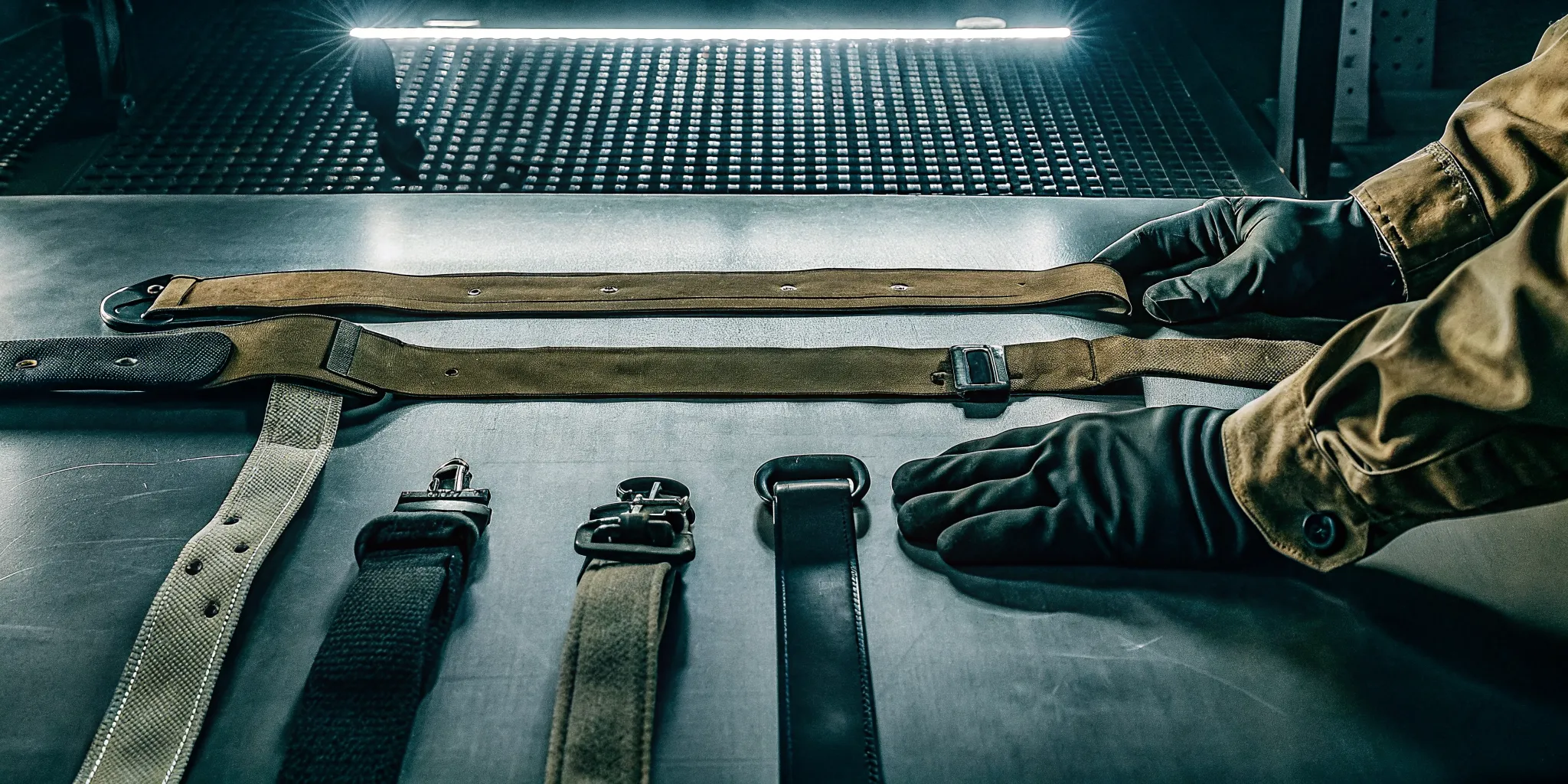
A qualified buyer does not rely on a tag alone. You should ask for a full assembly test report from the maker. This report shows that the whole belt was tested together, not just the single parts. These tests verify the engineering and testing standards used to build the belt.
- Identify the intended use: Clearly state if the belt is for gear carry, personal retention, or emergency egress.
- Confirm lot traceability: Ensure each belt has a unique lot number so you can track its build history if a problem occurs.
- Check for identification markings: OSHA mandates rigging equipment must have clear markings that show the safe working load.
- Examine the stitching: Look for consistent, heavy-duty patterns like the five-cord box stitch, which adds vital strength.
- Inspect for damage: Before use, a skilled person should check for frays or cracks to ensure the belt is still safe.
- Ask for certificates: Request a formal Certificate of Conformance (CoC) to prove the belt meets all stated specs.
Following these steps helps procurement teams buy with confidence. By checking ratings, local making, and full test data, you get gear that stands up to the toughest tasks.
Rigger belt evidence: claims versus procurement proof
When you buy a rigger belt, you often see big numbers for strength. Supplier literature may talk about heavy loads or mission use. But for a buyer, these words are just a start. You need real proof that the gear will not fail in the field. Trusted gear must have the right marks and papers to show it is safe for the job.
Finding sales claims
Many brands say their belts are "strong" or "made for rescue." These claims focus on the nylon webbing. While high strength is a good sign, it does not tell the full story. A belt with strong webbing can still have weak spots in the sewing or the buckle. Most tactical rigger belt specifications show webbing strength but leave out the full test data.
You must know if the whole belt can handle the same load as the webbing alone. If the buckle fails first, the webbing strength does not matter in a crisis. Look for brands that test the entire unit. This gives you a clear view of how the belt will hold up during a fall or a heavy pull. Without this data, you are taking a risk with your safety.
Buying proof and rules
Procurement teams look for more than just a marketing language. They need to see that the gear follows federal laws like the Berry Amendment. This law says the Department of Defense must buy goods made in the U.S. Proof of this is on the defense buying site. Buyers also check other rules to be sure the belt comes from a safe trade partner.
These rules help keep the supply chain clear and safe. Good records show that every part of the belt is high grade. A maker should be able to show where they got their metal and nylon. This is the only way to be sure that the gear meets the needs of a high-risk unit. When lives are on the line, records are as vital as the gear itself.
| Record type | What it shows | What it lacks | Buyer request |
|---|---|---|---|
| Spec sheet | Webbing strength | Full belt data | Full pull-test report |
| USA label | Home of maker | Proof of parts | Berry rule letter |
| Load tag | Safe weight limit | Testing date | ISO test papers |
| Brand book | Main features | Safety proof | Field user guide |
Checking load ratings
Safety rules from OSHA standards say belt parts must hold a 4,000-pound load. This test shows that the metal will not crack or break under a hard pull. You should also look for a safe work load mark on the belt. If a belt takes a heavy load in a real drop, you must stop using it at once.
Any belt that takes a shock load should be thrown away to stay safe. Fast checks by a pro help find wear before a break happens. Look for frays in the nylon or rust on the metal parts each day. Small tears can lead to big failures if you do not catch them in time. Keeping a log of these checks is a smart way to manage your safety gear.
Can a rigger belt be used for fall protection?
Direct answer: A rigger belt should not be treated as a fall-arrest system unless the specific completed product is certified, documented, and approved for that application.
A rigger belt is a useful tool for gear carriage and basic restraint, but it is not a full fall arrest system. While these belts use high-strength materials, they lack the design to stop a long vertical drop safely. You must know where equipment carriage ends and life safety begins to stay safe on the job.
Understand the role of restraint and fall arrest
A rigger belt works well for travel restraint. This means it keeps you from reaching an edge where a fall could happen. It can also help with work positioning if used with the right gear. However, it cannot replace a full-body harness for fall arrest. A fall arrest system must stop a fall that is already in progress.
Fusion Tactical builds professional tactical rigger belt systems using 1.75-inch nylon webbing. These materials often have a breaking strength between 5,000 and 8,000 pounds. Even with this strength, a belt alone cannot spread the force of a fall across your body. Only a full harness can do that to prevent internal injury.
Know the OSHA and ANSI safety standards
Safety rules are very clear about belt use. OSHA mandates that any safety belt used for work must withstand a tensile load of 4,000 pounds. This rule applies to the hardware and the webbing. You can find these details in the OSHA safety belt standards for the construction industry.
If your belt takes a load during a fall, you must stop using it right away. OSHA requires that any belt subjected to in-service loading be removed from service. It should never be used again for safety. This is why regular checks are so important for any tactical rigger belt specifications you rely on in the field.
Check your gear for mission safety
Before every shift, you should look over your gear. Look for wear on the webbing and cracks in the metal parts. OSHA rules state that a competent person must inspect rigging equipment each day before use. This helps you find small problems before they lead to a gear failure. Proper care ensures your gear is ready for high-risk environments.
Rigging gear must also have clear markings. These marks show the safe working load set by the maker. Employers must ensure all rigging equipment markings are easy to read and stay in place. Using gear within its rated limits is the only way to ensure it performs as it should during a mission.
What documentation matters for government procurement?
Buying gear for federal agencies takes more than just picking a set of items from a book. You must prove where the item came from and how the shop built it. For a vital professional tactical rigger belt, some legal rules apply. These rules keep the gear safe and help the local market by favoring local labor.
Berry Amendment and TAA compliance
The Berry Amendment is a key rule for the Department of Defense. It says that goods like clothing, fabrics, and metal tools must be grown or made in the United States. When you buy tactical gear for army use, you often need a certificate of origin. For a rigger belt to be Berry compliant, several parts must come from U.S. sources:
- Nylon webbing and high-strength thread.
- Metal buckles and D-rings.
- Labels and hook-and-loop fasteners.
Federal buyers also look for Trade Agreements Act (TAA) compliance. This law says that products must be made or changed in the U.S. or a partner land. This is often needed for GSA lists and large federal contracts. Fusion Tactical builds gear in Chino, California, to meet these strict rules. Such rules help buyers avoid legal risks during the bidding steps. When a belt has TAA status, it means the maker did the work in a land the U.S. trusts.
Traceability and manufacturing controls
Public buyers need to know the past of every part used in a safety system. This tracking is called traceability. For a rigger belt, this includes the metal buckle and the heavy nylon webbing. Good shops keep records of batch numbers and test dates for every roll of fabric. If a part fails during a mission, these logs help find the root cause. This helps prevent the same failures in the rest of the gear.
Solid records show that a shop follows high standards. Fusion Tactical uses an ISO 9001:2015 system to track every step of the build. This system ensures that every belt matches the first design and meets safety goals. A Certificate of Conformance (CoC) is a common piece of paperwork in these deals. It is a signed statement that the gear meets the exact needs of the contract. Without these logs, a buyer cannot be sure the gear will hold up in the field.
Testing and safe load markings
Safety gear must show its limits so users know what to expect. OSHA rules state that rigging tools need legible identification markings from the maker. These tags must show the safe working load. For a rigger belt, this tag is vital for safety leads and team leads. It tells them if the belt is rated for a person's weight or if it is just for holding up pants.
Testing data provides the proof behind those markings. OSHA mandates that safety parts must withstand a load of 4,000 pounds without breaking. Buyers often ask for test reports that show this breaking strength. These reports show the belt can handle the weight of a user and their gear. Proper paperwork makes the buying steps faster and safer for everyone. It ensures that the person wearing the rigger belt is safe during a mission.
How should agencies inspect and retire rigger belts?
Groups must follow clear rules to check and retire their gear. A rigger belt is a key part of a safety system. It must work right every time it is used. Good habits help find weak spots before they cause a fall. Your team needs a plan to keep each belt in top shape for the field.
Daily checks and pre use tests
A trained person should look at each rigger belt before it goes out for a shift. This quick check helps you find new nicks or burns. It is one of the best ways to stop gear failure before it starts. Every group should have a clear path to tell others when a belt fails this test. If you find a fray or a loose stitch, pull the belt from the line right away.
Set a plan for deeper checks every few months. These checks should follow the rules from the gear maker. You may need a bright light to see small signs of wear on the threads. Keeping a log of these checks ensures that no belt stays in use for too long. Clear records help you know when to buy new gear.
Signs of wear and damage
Look for loose threads or fraying in the webbing and the stitching. If the belt has been near heat or spills, the fibers may be weak. Sunlight can also cause the color to fade and make the nylon get brittle. If the belt feels stiff or looks worn out, it is time for a new one. Do not take risks with worn gear.
The metal parts must also be in good shape. The OSHA 1926.251 rule says that gear must have clear marks for its safe load. If these marks are gone, the belt is no longer safe to use. Check the buckle to make sure it clicks shut and stays locked. The hardware should not have any cracks or deep rust. High grade hardware is built to last, but even the best metal can wear down over time.
When to retire your gear
If a belt holds a heavy load in a real fall, stop using it at once. OSHA rules state that any safety belt used for in-service loading must be removed. Do not put this gear back into use for work. Even if it looks fine, hidden stress can make it fail the next time it is needed.
It is also vital to track how long you have had your professional tactical belts. Most makers give a range for how long a belt should last. But your own work and the places you go will tell you more. High use or harsh places mean you will need to buy new belts more often. Keeping a log of when you bought each belt helps you plan for future gear needs. Always put safety first when you choose to retire a belt.
Frequently Asked Questions
What is the standard load rating for a tactical rigger belt?
Tactical rigger belts often use strong nylon webbing with a load strength between 5,000 and 8,000 pounds. Some belts use webbing rated over 8,000 pounds according to Spec Ops. The buckle and hardware must also be very strong. OSHA rules state that belt hardware must hold a 4,000-pound load without breaking or bending. Experts should check that both the webbing and the hardware meet these high safety marks before they buy any gear.
What is the difference between a rigger belt and a gun belt?
A gun belt is made to hold a holster and gear without sagging. A rigger belt does that job too, but it also has rated parts for emergency life-safety use. While gun belts use stiff materials to keep gear in place, rigger belts use heavy-duty webbing and buckles made for rappelling or tie-ins. This makes a rigger belt a better tool for people who need gear that can handle the stress of a high-risk mission.
Are rigger belts authorized for use in the military?
Military use of rigger belts depends on unit rules and trade laws. For gear bought by the Department of Defense, the Berry Amendment says that goods must be made in the United States. Many tactical belts meet these rules and other federal laws. Buyers should check that a belt is made in a way that meets these legal needs before they give it to a tactical team.
How often should you inspect a rigger belt for damage?
You should check a tactical rigger belt before each use to find any wear or flaws. According to OSHA rules, a skilled person must check all gear and clips every day before use. If a belt ever takes a heavy load during a fall or a rescue, you must stop using it at once. Doing these daily checks helps keep the gear safe for use in dangerous spots where failure is not an option.
Ready to verify your rigger belt load ratings?
Using gear that lacks clear proof of its true strength puts your team at risk of a sudden safety breach in the field. If you wait to check these ratings, you may find out too late that a belt is not up to the mission task. Acting now ensures you stay ahead of these threats so you can request U.S. made rated hardware that meets all Berry and TAA rules. Our shop in Chino, California helps you find the right fit for your load needs so you can lead with total confidence. You get reliable gear from our team that helps your unit focus on the job at hand without worrying about hardware failure.
Ready to talk to an expert? Call (909) 393-9450 to contact Fusion Tactical USA for procurement, custom manufacturing, or mission-specific equipment support.


