

ISO 9001 Tactical Equipment: Quality and Safety
Life-safety work depends on ISO 9001 tactical equipment produced under a verified quality system. Small flaws in load-bearing gear can lead to field failure, so every stitch and buckle must meet documented standards.
Request mission-specific tactical equipment support from Fusion Tactical USA.
ISO 9001 tactical equipment relies on a strict quality system to ensure that every piece of gear meets mission-critical safety standards. This world standard provides a clear path for steady building, tough testing, and the tracking of all life-safety hardware. By using these strict rules, makers can find and fix any flaws before the finished gear ever reaches the field. This care is vital for rescue teams who work in high-risk zones where gear failure is not an option and lives are on the line. Following a verified system helps groups meet all legal needs, as the ISO 9001:2015 standards help companies provide goods that meet all legal and customer rules.
Buying teams must understand how these quality standards affect gear selection and safety goals. During bidding, officers should connect ISO 9001 evidence to the contract's product and performance requirements.
What ISO 9001 tactical equipment means for procurement
Buying gear for the military or law enforcement is a high-stakes task. You must ensure every item works well and meets strict rules. One term you often see is ISO 9001. When you buy ISO 9001 tactical equipment, you choose a product made under a tight system. This quality system helps ensure that every belt, harness, and lanyard is made the same way every time. For teams in the field, this consistency is a matter of safety. It ensures that the gear you buy today is just as strong as the gear you tested last month.
Defining ISO 9001 as a process control
ISO 9001:2015 is not a test for a single product. It does not tell you if a buckle is strong. Instead, it is a way to manage how a company works. It sets rules for how a business tracks its parts and checks its work. A company like Fusion Tactical uses these rules to keep its shop running smoothly. This means they watch every step of the build. They check the thread, the webbing, and the metal parts before anything leaves the floor. The goal is to stop errors before they happen.
This system is called a Quality Management System or QMS. It ensures that if a design works once, it will work every time. For a buyer, this reduces the risk of getting a bad batch of gear. In tactical work, a single flaw can lead to a failure in the field. By using ISO 9001 tactical equipment, you know the shop has a plan to find and stop those flaws. This focus on process matches the needs of Berry Amendment rules that often apply to these contracts. It shows the maker is ready for the rigors of federal work.
Why procurement teams prioritize QMS certification
Procurement teams must vet their vendors with care. They look for proof that a shop can handle big orders without losing quality. An ISO cert is that proof. It shows that an outside group has checked the shop's books and floors. This third-party check gives buyers peace of mind. It means the vendor does not just say they are good. They have the records and the proof to back up their claims. This makes the audit path much easier for the buying team.
When you manage a government contract, you need vendors who know compliance. ISO 9001:2015 helps with this. It requires the shop to write down everything. If a part fails, the shop can look back and find exactly what went wrong. They can see which roll of webbing was used and who did the sewing. This level of detail is vital for big defense programs. It helps the buying team meet their goals for safety and budget.
Ensuring life-safety reliability through ISO 9001
Tactical gear is often life-safety gear. Whether it is a helo lanyard or a rescue harness, the kit must hold up under load. ISO 9001 helps a shop keep its machines and tools in top shape. It requires regular checks on the gear used to test the products. This ensures that a 23kN rating on a label is a real, tested number. The shop must also train its staff on a set schedule. This means the person sewing your harness is up to date on the best ways to do it.
For the person using the gear, these back-end steps are hidden. But they are the reason the gear does its job. A buyer's goal is to give their team the best tools for the mission. Choosing ISO 9001 tactical equipment is a key step in that mission. It builds a bridge of trust between the maker and the user. Many products go through strict testing to meet these standards. This ensures that every piece of kit is ready for high-risk work. By focusing on quality at every step, the shop makes sure their gear is ready for any threat.
How do quality systems reduce life-safety equipment risk?
Steady production with ISO 9001 standards
Fusion Tactical uses an ISO 9001 quality system to keep standards high. This set of rules ensures that every piece of gear meets the same strict specs. Quality checks start long before a belt or harness reaches the sewing line. By using clear work steps, the team makes sure every stitch is in the exact right place. This focus on steady work is vital for life-safety gear. It cuts the chance of human error during the making of the product. It also ensures that every tool works well in high-risk spots where failure is not an option. Our path to quality is part of why we have been a leader in the field for over 25 years. We build each item to last and to keep you safe in the field.
Vetting sellers and tracking parts
A big part of cutting risk is knowing what goes into each product. Fusion Tactical uses strict checks to vet where raw parts come from. We only buy from trusted sellers who meet our high goals. This includes getting MIL-SPEC Type 13 webbing and other high-rated parts that can hold over 5,000 lbs. Tracking parts lets the firm follow any item back to its start. This means we know which batch of thread or metal was used in each belt. If a flaw is found in a batch, the system can find every product that used it. This level of control is a key part of federal safety rules from the Occupational Safety and Health Administration (OSHA). It gives peace of mind to those who work in the air or on a rope. We track each bolt, buckle, and strap to ensure total safety.
Hard testing and inspection logs
Every product goes through many checks at each stage of the build. In-house labs test for pull strength, break points, and load limits. We also work with outside labs like John Batchelor Testing to check load ratings and verify our facts. These logs are kept in a safe file system as part of our document control. By keeping deep logs, the firm can prove that every unit was safe before it shipped. This fact-based path helps pros trust their gear during a mission. It also helps us meet the high standards of our partners, including our work with NASA on flight programs. You can find more details on our engineering and testing page. Our records show that our gear meets MIL-STD specs for the hardest use cases.
Fixing errors and getting better
The quality system does more than just find faults; it fixes the core cause. Checks for failed parts help the team find why a part did not pass. Then, we make plans to stop the same issue from coming back. This is called fixing the root of the problem. This cycle of getting better is what keeps Fusion Tactical as a top name in tactical gear. We look at data from our tests and from the field to make our gear even safer. This bond to quality ensures that life-safety gear stays safe for years of use. By always checking our work, we reduce the risk for every user in the field. It is our goal to provide the most trusted gear on the market today.
From traceable materials to repeatable production
Fusion Tactical USA builds gear to work in the toughest spots. Our work starts with a clear plan for every part we use. We do not just buy parts and sew them. We follow a set path to make sure every item is safe and strong. This focus on ISO 9001 tactical equipment helps us give you gear that works every time.
Checking and tracking parts
Our process begins when raw parts arrive at our site in California. We check each roll of webbing and every piece of hardware. We look for the right load ratings and color match. Our team records where each part came from to keep a full history. This tracked system meets the strict rules of the Berry Amendment. We also make sure all parts meet rules for government use.
We keep real proof for all parts. This means we have proof of strength and quality before we start a build. We do not guess if a belt or harness is strong enough. We know it is because we have the data. This first step is the base for our mission-key safety gear. It ensures that no weak parts ever enter our shop floor.
Exact cutting and build
Once we check the parts, we move to the build. We use machine tools to cut webbing and fabric. This makes sure that every piece is the exact same size. Small errors in cutting can lead to big problems in the field. By using tech, we remove the risk of human error. Our staff then takes these parts to the sewing floor. They follow a clear guide for each stitch and seam.
Our team has years of work in making tactical gear. They know how to build gear that meets safety rules. Every step of the build is logged. This lets us see who worked on a piece and when. It also makes sure we can repeat our success on every batch. You can see our focus on quality in our fall protection harness check guide. We want you to feel sure that your gear will not fail when you need it most.
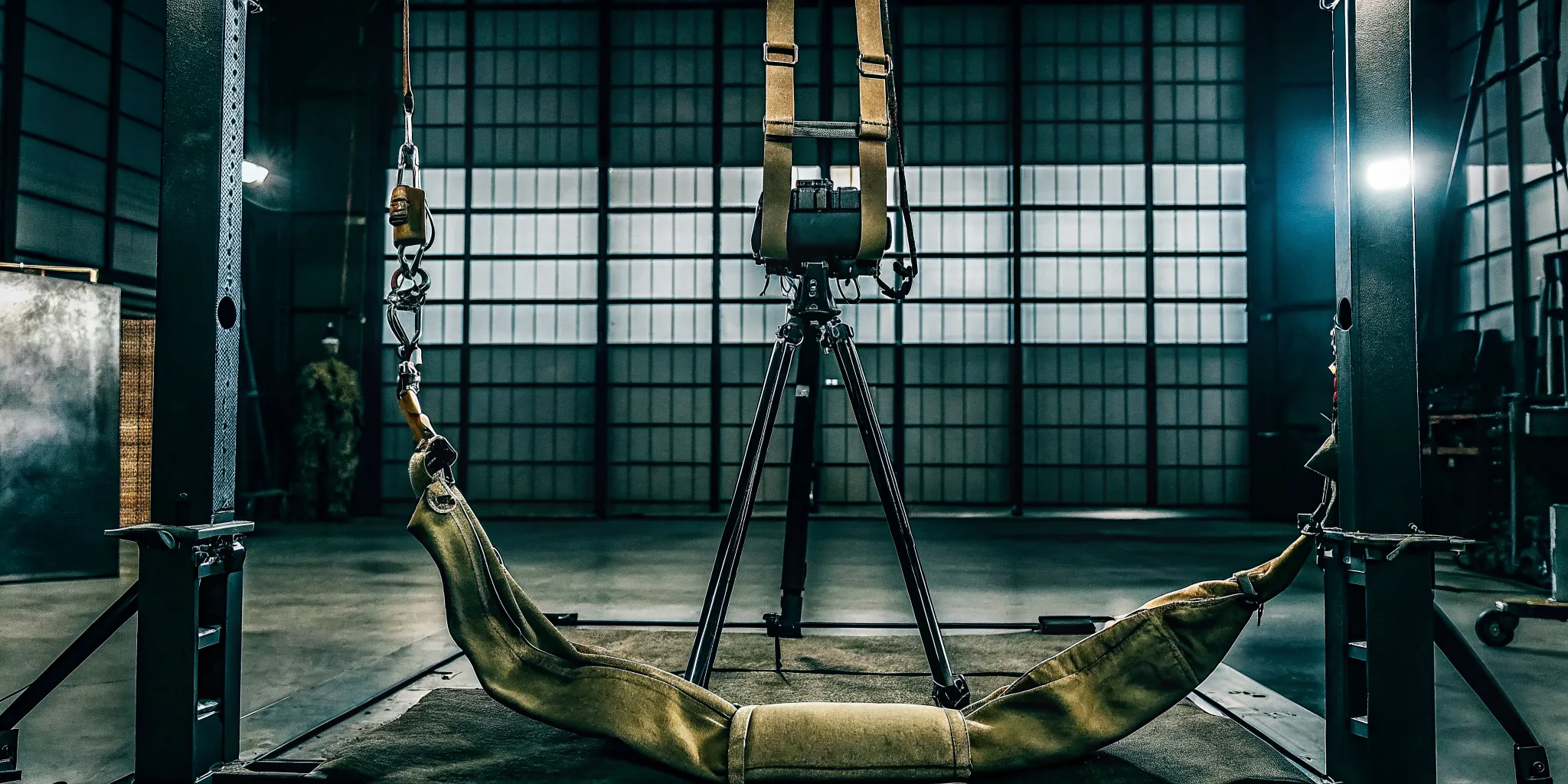
Testing and final check
We do not stop after the gear is sewn. We perform batch testing on finished items to check their strength. We use machines to pull on the gear until we hit the rated kN load. This test shows that our sewing and parts work together as a system. While ISO rules help us manage the path, they do not prove each item on their own. We use our own tests to provide the final proof of safety.
A final check team looks at every piece of gear before it leaves our shop. Our team checks several key points:
- Correct load ratings for all hardware and webbing.
- Clean stitching with no loose threads or flaws.
- Proper tags and labels for tracking and rules.
- Final size matches the first design specs.
Once a piece passes, we tag it for release. This final sign-off is our promise to you. We provide the data you need for buying and safety checks. Our goal is to give you the best gear for defense and aerospace missions. Every piece of gear we ship reflects our U.S. making quality.
What should procurement teams verify before award?
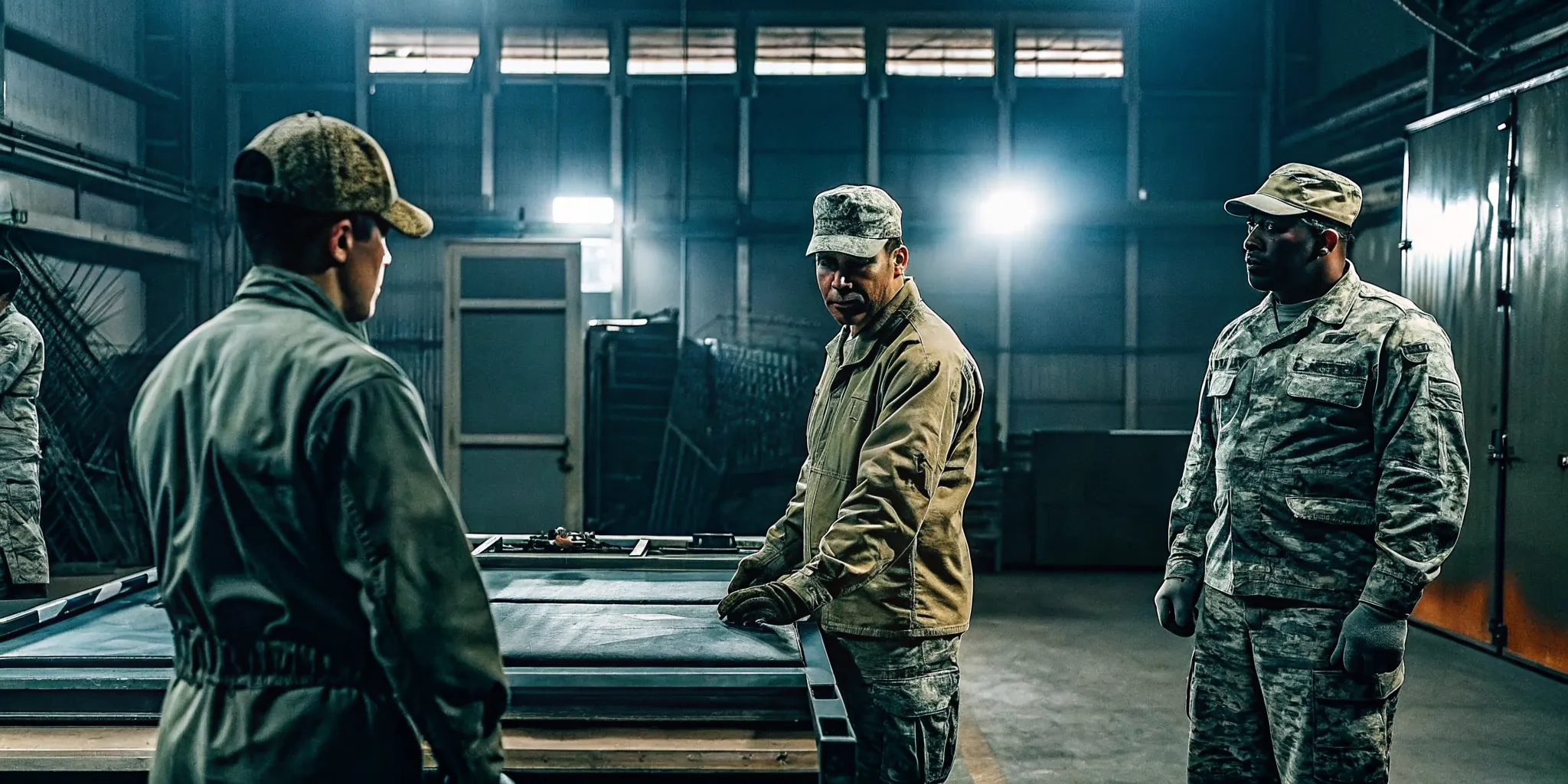
Procurement teams must look for proof of quality before they buy safety gear. A vendor might claim to have high standards, but teams need to see the records. When buying ISO 9001 tactical equipment, you should ask for proof of a quality system. This ensures the gear you get is as strong as the sample you tested. Checking these records helps you avoid low-quality tools that could fail in the field.
Verify quality management
- Confirm the ISO 9001 certificate is current and its scope covers the required equipment.
- Review lot traceability, supplier controls, and change-control records.
- Match test reports and certificates of conformity to the contract specifications.
- Document the evidence package before award and retain it for acceptance review.
The best way to check a vendor is to look at their ISO 9001 certification. This certificate shows that a team follows strict rules to make their products. You should verify that the scope of the certificate covers the specific items you are buying. A shop might not have the right setup for mission-critical gear. For more details on these rules, see our guide on ISO 9001 tactical equipment.
| Document type. | Evidence provided. | Risk addressed. |
|---|---|---|
| QMS certificate. | Active ISO 9001 status. | Process failure. |
| Lot traceability. | Source tracking. | Unapproved components. |
| Test reports. | Load rating verification. | Unexpected failure. |
| Change control. | Design update logs. | Unapproved substitutions. |
| Audit history. | Independent oversight. | Unverified processes. |
Testing and batch codes
Real proof of strength is a core need for any tactical buy. Ask for test reports from labs like John Batchelor Testing to see real load data. Each unit should also have clear batch codes marked on the hardware. These codes link back to the exact day and materials used during a run. This level of detail is vital if you ever need to find a problem in a large fleet of gear.
You can also request a certificate of conformity for each batch. This paper proves the items meet all the specs in your contract. It often includes proof of Berry Amendment compliance for U.S. builds. Teams that keep these records ready show they take safety and laws seriously. Seeing these documents before you buy gear lowers the risk for your agency and your staff.
How does ISO 9001 fit with tactical compliance requirements?
ISO 9001:2015 is a standard for quality systems. It helps firms make sure their goods meet buyer and legal needs. In the tactical equipment field, this shows a firm has a solid plan for design and build. But ISO 9001 does not replace product rules like ANSI or MIL-SPEC. It acts as the base that supports those stricter rules.
Building a base for quality
ISO 9001 focuses on how a firm runs. It looks at risk, staff training, and how to fix errors. This plan makes sure that gear like rescue equipment is made the same way every time. By using an ISO 9001 quality system, a shop can track its parts and build steps. This helps when they must meet tough rules for defense or aerospace work.
ISO 9001 and technical standards
Tactical gear must also meet technical rules for safety and use. For example, ANSI Z359 safety standards set load limits for fall gear. ISO 9001 does not set these limits. But it makes sure the firm tests for them. It also helps firms follow the Berry Amendment by tracking where parts come from. A good plan ensures that every MIL-SPEC requirement is met for the buyer.
Applying quality controls to mission-specific equipment
Fusion Tactical USA maintains a strict quality system at its plant in Chino, California. Our facility is ISO 9001 tactical equipment certified to ensure every piece of gear meets high safety marks. This standard requires us to run regular audits and track every step of the work. By keeping all production in the United States, we can watch every part of the build from start to finish. Our team uses these rules to make sure every belt and harness is ready for use.
Our quality plan also follows LEAN manufacturing steps. We cross-train our workers so they can spot issues at any point on the line. This helps us stop errors before they become problems. We focus on being direct and clear about how we build our gear. This way, buyers know they are getting tools that are made to last in tough spots.
Traceability and batch testing
We mark every product with batch codes and the date it was made. This allows us to track materials back to their source. Our team checks the quality of all parts when they arrive at our shop. We also run random tests on finished goods to verify their strength. These ISO 9001 rules help us find and fix any issues before the gear ships to users.
Our testing goes beyond the shop floor. We work with groups like John Batchelor Testing to verify load ratings through outside checks. This ensures that our harnesses and lanyards can handle the stress of real missions. We test for tensile strength and how the gear holds up in different environments. This testing proves that our gear can handle heavy loads without failing.
We give out certificates of conformity upon request so buyers know the gear fits the needed rules. These papers show that our products meet or beat the standards for the job. These steps give teams the proof they need to trust their life safety systems in the field. We keep full records of all tests and inspections for every batch we produce.
Engineering partnership for procurement
We act as a technical partner for government and defense buyers. Our in-house team uses 3D models and CAD tools to design custom solutions. We can build prototypes quickly and test them in our own lab. This helps procurement officers get the exact gear their mission needs. We focus on making tools that are tough, rated, and easy to use in high-risk spots. Our CAGE Code 0KQN1 makes it simple for federal teams to find us in the system.
Our engineers also help with compliance paperwork. We can provide full proof for Berry Amendment and TAA rules. This clear data makes it easier for teams to buy gear that fits federal laws. We understand the complex needs of the OSHA fall protection rules and other safety laws. This knowledge helps us guide buyers through the technical parts of the buy.
By working closely with us, buyers get more than just a vendor. They get an engineering team that understands the technical needs of modern tactical gear. We help from the first idea to the final ship date. Our team is here to make sure every part of the procurement process is smooth and reliable.
Frequently Asked Questions
What does ISO 9001 mean for tactical equipment?
ISO 9001 is a world standard for quality management systems. For tactical gear, it means the maker uses a set of clear rules to build and test every product. This system helps keep production steady so that every piece of gear works as it should. The ISO states this standard helps firms provide goods that meet both buyer needs and all legal rules. This is vital for life-safety gear that must not fail.
How does an ISO 9001 quality system improve gear safety?
This quality system improves safety by adding strict checks at every step. It asks firms to track all parts and raw materials used in the gear. This tracking lets a maker find and fix issues quickly. The system also calls for regular audits to make sure that safety rules are being followed on the factory floor. By catching flaws early, makers can make sure that only high-quality gear reaches the user. This care helps stop failure in high-risk zones where gear must stay strong.
Does ISO 9001 help with military and government procurement?
Yes, many government and military buyers look for this quality standard during the bidding process. It proves that a maker has a verified system for building and testing their goods. This makes the buying process easier and gives teams more trust in the gear they get. According to Fusion Tactical, these systems allow makers to give certificates of conformity for their products. This level of proof is often a key need for large government or defense contracts.
Is ISO 9001 the same as ANSI or MIL-SPEC standards?
No, they are different but they work well together. ISO 9001 is a system for how a company works and manages quality. ANSI and MIL-SPEC are technical rules that define how a specific piece of gear must perform or be built. For example, OSHA rules often point to ANSI standards for harness safety. A good maker will use an ISO system to make sure that every product they build meets those technical ANSI or MIL-SPEC needs every single time.
Ready to source ISO 9001 certified tactical safety gear?
Failing to keep high grade standards in your gear can lead to bad results for your team when they are working in the field today. Every day you wait to update your gear is another day you use tools that do not meet the newest ISO 9001 rules or federal checks. By starting your buying process today on our custom solutions page, you get a strong supply chain and the best tools.
Ready to contact Fusion Tactical USA? Call (909) 393-9450 to discuss procurement, custom manufacturing, or mission-specific equipment support for your tactical teams. Talk to a tactical expert about your needs today. Our team is here to help.


