

Helo Lanyard Procurement Guide
Airborne retention fails at the weakest interface, not at the strongest published load rating. For airborne units, every connector, tether, anchor point, and release method must work as one system.
Contact Fusion Tactical USA for helo lanyard procurement, custom manufacturing, and mission-specific operator retention support.
A helo lanyard is a specialized tether that secures an operator or equipment to an aircraft during flight. It connects a compatible harness or belt to an approved airframe anchor while preserving the movement needed for assigned duties. Selection must match the mission, because personnel retention and equipment retention can require different lengths, hardware, shock-management features, and release methods. A complete operator retention system also depends on verified load ratings, compatible interfaces, disciplined pre-use inspection, and clear retirement criteria. For reference, OSHA requires safety belt and lanyard hardware to withstand 4,000 pounds of tensile loading without permanent deformation. Airborne units must still apply their own approved procedures, aircraft requirements, and mission-specific risk controls.
Procurement teams and unit leaders need to know how each part controls risk before comparing configurations or suppliers. The next section, What is a helo lanyard?, establishes that baseline and separates the tether itself from the broader retention system before procurement teams compare materials, hardware, and evidence packages.
What is a helo lanyard?
A helo lanyard is a mission-specific tether that helps retain an operator or item at an approved aircraft interface. It should be specified as part of a complete system, including harness point, aircraft anchor, connector hardware, rated strength, inspection rules, and release method.
A helo lanyard is a professional tether that connects an operator or mission item to an approved aircraft attachment point. It forms one part of a wider retention setup. That setup also includes the harness, connectors, anchor, and operating procedure.
Its purpose is controlled retention inside or near the aircraft, not general-purpose restraint. The term can describe several assemblies with different jobs. Teams must first define what the tether will retain and which risk it must control.
Personnel retention
Personnel retention keeps an operator connected while working near an open door, ramp, or other exposed aircraft area. The tether must suit the operator's task, required reach, harness interface, and approved attachment point. It should limit unwanted movement without blocking safe work or an emergency exit.
The lanyard alone is not a complete operator retention system. Teams must review every interface, including connector fit, adjustment method, hardware orientation, and release needs. A clear operator retention system plan helps crews select and use all components as one engineered setup.
Length and adjustment also affect how an operator can move within the work area. Too much reach may expose a person to an avoidable hazard. Too little reach may restrict the task or place poor loads on the connected equipment.
Equipment retention
Equipment retention serves a different load and failure case. It keeps tools, cargo, or mission hardware connected so they do not become loose hazards during flight. The tether and attachment points must match the item, expected movement, and operational handling.
Personnel and equipment tethers should not be treated as interchangeable. A system made to secure an item may lack the interfaces, load behavior, or release features required for a person. Likewise, a personnel tether may be poorly suited to a tool or cargo task.
This distinction should appear in technical requirements and procurement documents. A clear use statement helps engineers assess hardware, materials, connection points, and test needs. It also gives crews a sound basis for inspection and replacement rules.
Fall-protection context
Personnel retention and fall protection can overlap, but the terms do not mean the same thing. Fall-protection lanyards are part of systems intended to manage a fall and its forces. Operator retention may instead keep a person within a defined safe work area.
The main function drives the design choice. Shock absorption, fixed or adjustable length, quick release, and connector type must fit the approved use and risk review. For context, OSHA construction lanyard rules address length, material, hardware strength, and removal after in-service loading.
Those OSHA rules do not define aircraft retention. They show why teams must not assume every lanyard serves the same safety role. The aircraft configuration, mission profile, approved procedures, and documented test basis must guide helo lanyard selection.
Procurement teams should ask what the assembly retains, how each interface was tested, and which inspection or retirement rules apply. These questions tie the specification to the actual task. They also prevent a broad product label from replacing a full system review.
Where do operator retention systems fit in airborne missions?
Operator retention systems support work near open doors, ramps, and cabin positions where movement control matters. The helo lanyard must match the aircraft layout, crew role, equipment path, and approved procedure so retention does not create new snag, release, or reach hazards.
Operator retention systems support work near open doors, ramps, and cabins while the aircraft is in motion. They help crews hold a planned working position without losing access to mission tools. A helo lanyard can also secure selected equipment when dropped gear could create added risk.
Door and open cabin positions
Door operations place operators close to an open edge while they scan, communicate, manage equipment, or support other team members. The retention setup should allow the required reach without creating excess slack. It must also keep connectors clear of controls, seats, and other crew members.
Mission planners should define the operator's work zone before choosing tether length, connection points, and release features. The selected helo lanyard must match that zone and the operator's assigned tasks. A system that is too short can limit work, while excess length can raise movement risk.
Equipment retention and positioning
Airborne teams may need to retain tools, bags, communication gear, or other mission equipment. Equipment tethers serve a different role from personnel retention. Planners should not treat one system as a substitute for the other without documented engineering support.
- Map each retained item to an approved attachment point.
- Keep tether paths away from controls, exits, and personnel connectors.
- Check that retained equipment remains usable from the planned work position.
- Account for gloves, low light, noise, and limited cabin space.
Positioning needs can change by aircraft, seat layout, crew role, and mission phase. A clear equipment map helps teams control snag points and avoid crossed tether paths. It also gives procurement staff a basis for reviewing connector types, tether lengths, and required interfaces.
Risk controls and procurement fit
Retention planning should account for both expected movement and sudden loading. Research on personal protective equipment found that high loading rates can reduce the resistance shown in static tests. That finding supports reviewing dynamic test requirements when a mission may expose a system to abrupt loads.
Procurement teams should ask for the system's intended use, rated components, test method, inspection steps, and retirement rules. They should also confirm how each part works with the aircraft interface and issued harness. Fusion Tactical's guide to operator retention systems provides added context for comparing airborne equipment roles.
Risk management continues after selection. Crews should inspect the full system before use and remove questionable parts from service. Mission records should link the issued configuration to the approved use case, so teams can spot changes before flight.
How do helo lanyard load ratings and kN strength work?
Load ratings show performance under defined test conditions, not universal safe working limits. Procurement teams should review complete-system data, kN and lbf conversions, static and dynamic test methods, load direction, and the lowest-rated component in the assembled helo lanyard system.
Reading kN and lbf ratings
A load rating states the force a component or complete system can withstand under defined test conditions. Kilonewtons (kN) measure force, while pounds-force (lbf) express force in a unit familiar to many U.S. buyers. These values describe strength, not weight capacity for routine use.
For context, one published professional retention system lists an 18 kN or about 4,000 lbf system strength. That example should not become a default requirement for every helo lanyard. Buyers must confirm the rated item, test method, load direction, and required safety margin.
Hardware ratings and system strength
A strong connector does not make the full assembly equally strong. Webbing, rope, stitching, terminations, gates, and attachment points each affect system performance. The lowest-rated part or a poor interface can set the practical limit.
OSHA 1926.104 offers useful standards context for safety belt and lanyard hardware. It states that covered hardware, except rivets, must withstand a 4,000-pound tensile load without cracking, breaking, or permanent deformation. The OSHA rule also distinguishes in-service loading from static load testing.
That OSHA provision is not a blanket specification for airborne operator retention. Mission teams still need the standards and aircraft rules that apply to their use case. Procurement reviews should compare complete-system data, not isolated connector markings.
Static tests, dynamic loads, and verification
Static testing applies force in a controlled manner. Dynamic loading can occur faster and may create a different demand on the lanyard and its anchor. Movement, slack, load direction, and the operator's position can change how force reaches each part.
A static tensile rating alone does not explain how an assembly responds to a sudden load. Test conditions should match the planned role as closely as possible. Buyers should ask whether testing addressed likely load directions and the complete retention setup.
Before approval, request the exact test report for the proposed configuration. Confirm whether the rating covers each component or the finished assembly. Review the test setup, peak force, failure mode, lot controls, and any inspection or retirement rules.
Also verify that connectors fit the planned anchor without side loading, gate interference, or unintended release risk. Fusion Tactical's Engineering and Testing capabilities provide relevant context for buyers assessing a custom retention configuration.
What hardware interfaces matter in a helo lanyard system?
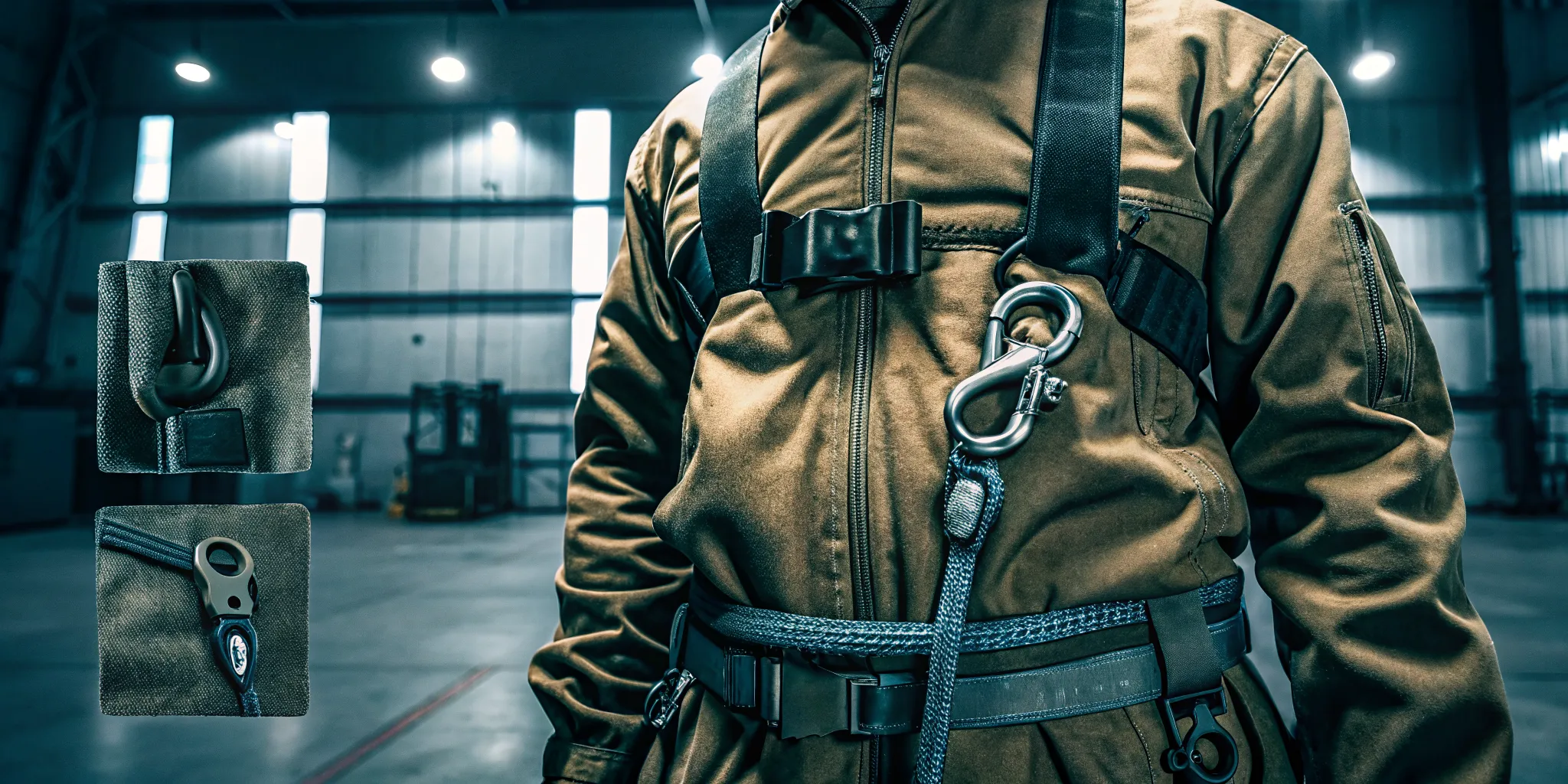
Hardware selection depends on interface fit as much as published strength. Carabiners, snap hooks, quick-release connectors, shackles, rope, webbing, adjusters, anchors, and harness points must seat correctly, load correctly, and remain usable in the exact mission configuration.
A helo lanyard works as a system, not as a tether alone. Its connectors, anchor, harness attachment, and flexible element must fit each other and the mission. A strong part can still create risk when its gate, opening, or connection method does not match the intended interface.
Configuration starts with the lanyard's main role. Equipment retention and personnel retention place different demands on hardware, length, and energy control. Fusion Tactical's guide to operator retention systems provides added context for selecting parts as one complete system.
Connector and release hardware
Carabiners provide a familiar closed-loop connector, but gate shape and locking action affect how they mate with an anchor. Snap hooks can support fast attachment when their hook opening and keeper suit the connection point. Both options require checks for full gate closure, secure locking, and correct loading direction.
Quick-release hardware serves a different purpose. It lets an operator separate from a connection when the approved procedure calls for rapid release. The release must remain reachable without creating an easy path for an accidental disconnect. Teams should assess it while wearing the full harness, gloves, and other mission gear.
Published strength alone does not prove interface fit. For context, OSHA's lanyard hardware rule requires covered hardware to withstand a 4,000-pound tensile load without permanent deformation. A helo system still needs engineering review and testing for its intended loads, geometry, and use conditions.
| Configuration choice | Primary advantage | Key interface check |
|---|---|---|
| Locking carabiner. | Closed-loop connection with a lock. | Gate clearance and loading direction. |
| Snap hook. | Fast attachment to a suitable point. | Hook opening and keeper closure. |
| Quick-release connector. | Planned rapid separation. | Reach, release action, and security. |
| Fixed anchor interface. | Simple, stable connection path. | Anchor shape, size, and rating. |
| Adjustable rope lanyard. | Fine control of working length. | Adjuster grip and rope match. |
| Adjustable webbing lanyard. | Flat profile and simple routing. | Buckle match and webbing path. |
Need a configuration reviewed before purchase? Talk with Fusion Tactical USA engineering and testing about interface fit, load evidence, and made-to-order retention requirements.
Anchor and harness connection points
The aircraft anchor and harness point define the load path. Their shape, size, position, and allowed loading direction must suit the selected connector. A connector should seat cleanly without pressing its gate against nearby hardware or forcing a side load.
Harness connection points also need clear identification. Teams should confirm which point is approved for retention, then check whether gear blocks access or changes connector alignment. Evaluation should cover the complete worn setup, not a lanyard and harness viewed as separate items.
Rope, webbing, and adjustment
Rope can offer compact routing and may work with dedicated rope adjusters. Webbing provides a flat load-bearing element and often pairs with buckles or sewn adjustment features. Material choice should account for abrasion, heat, contamination, inspection needs, and compatibility with every adjuster and termination.
Adjustability helps crews set useful working reach while limiting unwanted slack. Yet an adjuster is only reliable when its material, diameter, routing, and end treatment match the approved configuration. Fusion Tactical's engineering and testing capabilities support review of custom interfaces before a configuration enters service.
Procurement teams should document each approved connector, anchor, harness point, flexible material, and adjustment range. They should also control substitutions. Replacing one component can change gate clearance, load direction, release access, or adjuster grip across the whole helo lanyard system.
How should procurement teams specify a helo lanyard?
A strong procurement specification defines the mission first, then the complete retention system. It should name the aircraft interface, harness point, tether role, length, connector type, test evidence, compliance documentation, inspection criteria, lot traceability, and acceptance process.
Mission and system definition
Start the purchase description with the mission, aircraft, crew role, and operating limits. State whether the helo lanyard will retain personnel, equipment, or both. This distinction drives the required length, hardware, release method, and test plan.
Define the complete retention system, not just the tether. Include the approved harness connection, aircraft attachment point, gloves, protective clothing, and nearby equipment. Review how comparable operator retention systems support the mission before setting interface requirements.
- Document the mission profile. Describe aircraft type, operator task, cabin position, expected movement, and likely hazards. Note whether the user needs fixed restraint, adjustable positioning, quick release, or another defined function.
- Set strength and performance requirements. Name the required rated strength for the complete system and each load-bearing part. Define static and dynamic test methods, acceptance limits, safety factors, and the conditions used during testing.
- Specify both interfaces. Identify the approved aircraft anchor and the operator-side harness connection. List connector type, gate action, dimensions, orientation, and any lock or release feature needed for safe use.
- State material and compliance needs. List required domestic sourcing, textile origin, coatings, corrosion resistance, labeling, and lot traceability. Separate contract requirements from design preferences so vendors can provide clear evidence for each item.
- Request a complete evidence package. Require drawings, bills of materials, certificates, test reports, inspection criteria, and lot records. Each document should use the same part number and revision as the delivered helo lanyard.
- Validate made-to-order features. Use samples or prototypes to check reach, stowage, snag risk, connector access, and release action. Record approved changes before production, then control them through the drawing revision.
- Define inspection and retirement rules. Set pre-use checks, scheduled inspection points, cleaning limits, storage controls, and removal criteria. Include a process for recording damage, loading events, repairs, and final disposal.
Evidence package and made-to-order fit
A procurement team should tie every requirement to a document, test, or inspection step. Fusion Tactical's engineering and testing process can support interface review and made-to-order validation. The final package should show what was tested, how it was tested, and which production revision passed.
Do not copy a general lanyard rule into an aviation specification without review. For example, OSHA 1926.104 gives tensile and removal rules for certain safety belt lanyards. Contracting teams must decide which rules apply to their mission and document that basis.
Acceptance and service life
Before accepting a production lot, compare delivered labels, part numbers, connectors, and records with the approved baseline. Sample inspection should confirm workmanship and interface fit. Any change to materials, hardware, supplier, or process should trigger a defined review.
The specification should also govern the lanyard after delivery. Give users a clear inspection card and a way to report damage or a loading event. Procurement records should connect each unit or lot to its test evidence, inspection history, and retirement decision.
Request mission-specific helo lanyard support from Fusion Tactical USA before finalizing hardware, documentation, and procurement requirements.
What compliance standards apply to helo lanyard procurement?
Compliance claims must be tied to the specific product, contract, material source, and production record. Fusion Tactical USA supports government buyers with U.S.-based manufacturing context, Berry Amendment and TAA compliant capabilities, ISO 9001:2015 quality systems, and documented engineering support.
Procurement compliance
A helo lanyard purchase for a public agency starts with mission needs, but sourcing rules also shape the award. Fusion Tactical produces Berry Amendment and TAA compliant solutions at its vertically integrated facility in Chino, California. Buyers can review the company's Berry Compliant Gear information when building a sourcing file.
Compliance should be confirmed against the terms of each solicitation, contract, and funding source. Procurement teams should state which rules apply, then ask the supplier to document the offered configuration. This step helps prevent a broad compliance statement from replacing evidence tied to the exact lanyard, hardware, and order.
Quality and supplier records
Fusion Tactical operates an ISO 9001:2015 certified facility for tactical hardware manufacturing. That quality management framework supports repeatable work, controlled processes, and records for critical-use products. It also gives buyers a clear starting point for supplier review without replacing product-specific testing.
A complete submittal should connect the ordered part to its materials, hardware, load data, and inspection criteria. Buyers may also request the quality certificate, product drawings, test reports, lot records, and change-control terms. Fusion Tactical's Engineering & Testing information provides added context for teams reviewing test support.
- Part number, revision level, and approved configuration.
- Material and component origin records needed by the contract.
- Load-test method, result, and acceptance criteria.
- Inspection, traceability, and nonconformance records.
- Packaging, marking, and delivery documents required by the award.
Government and aerospace review
Government buyers can reference Fusion Tactical's CAGE Code 0KQN1 during supplier and award checks. The code helps identify the supplier, while the solicitation defines the required proof. Aerospace teams should also confirm interface details, approved hardware, inspection points, and any limits on substitutions before release.
Documentation must match the lanyard's stated role and test basis. For example, OSHA states that safety belt and lanyard hardware must withstand a 4,000-pound tensile load without permanent deformation. That rule may not define every airborne requirement, but it shows why test methods and acceptance criteria must be explicit.
For custom or made-to-order work, teams should settle documentation needs before production begins. The purchase package should name required approvals, records, delivery formats, and retention periods. This approach gives public-sector and aerospace reviewers a clear trail from the requirement to the delivered helo lanyard.
Inspection, maintenance, and lifecycle control
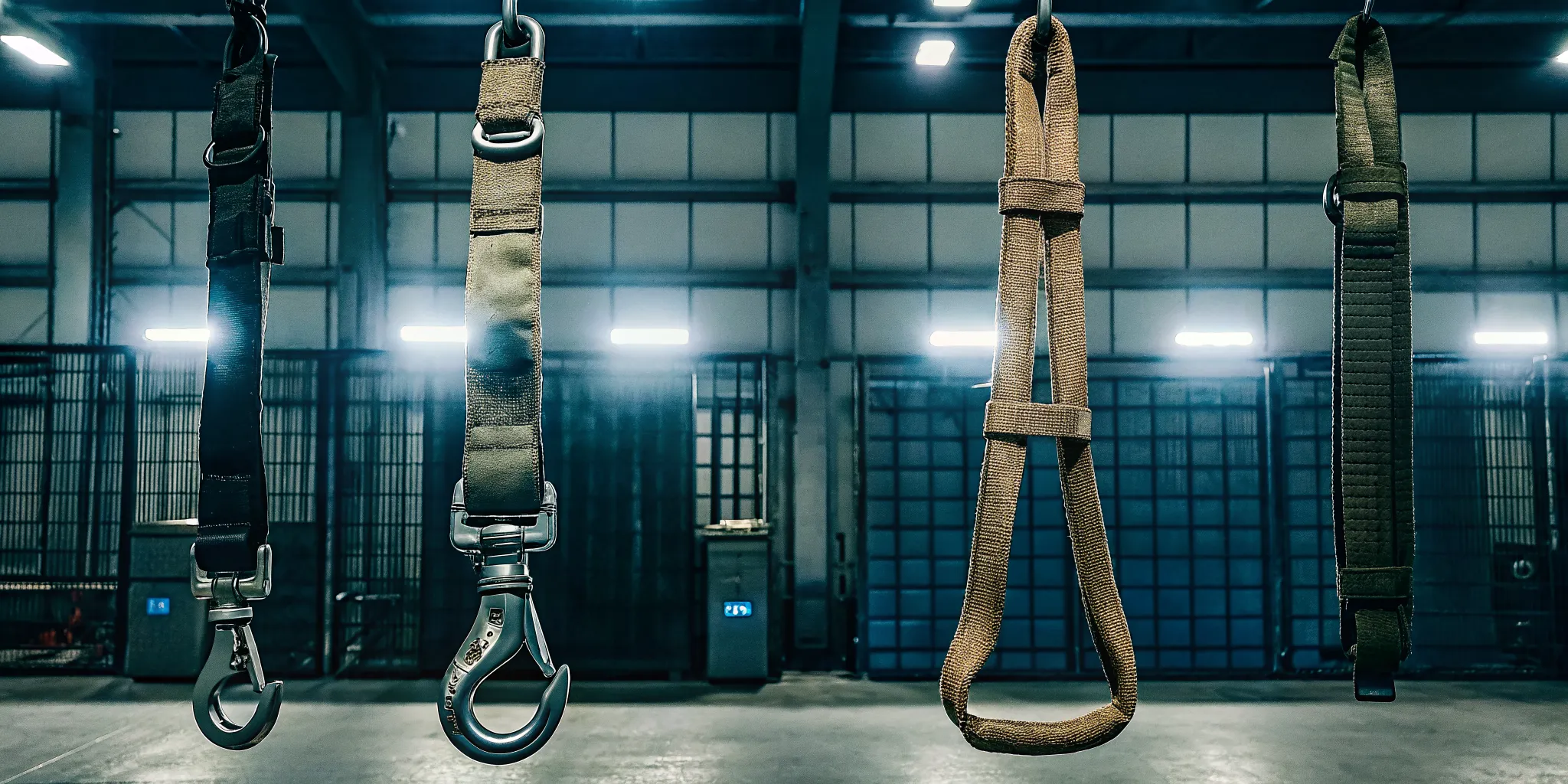
Lifecycle control protects the approved configuration after purchase. Teams should inspect lanyards before use, document service history, remove loaded or damaged equipment, control cleaning and storage, and retire components under written criteria rather than informal judgment.
Pre-use inspection
A helo lanyard should enter service only after a trained user completes the unit's required pre-use check. Inspect the full textile path, stitching, connectors, gates, adjustment points, labels, and attachment interfaces. Look for cuts, glazing, fraying, chemical damage, heat damage, corrosion, cracks, sharp edges, and parts that do not move as designed. Confirm that each connector locks and that adjustment hardware holds under a controlled hand check.
Check the complete system in its planned configuration, not just the tether by itself. Confirm that the lanyard, harness, airframe anchor, and connectors match the approved setup. Verify that the length supports the task without adding slack that could create a snag or fall hazard. The unit's pre-use process should also address correct routing, compatibility, and the user's range of movement.
Loading events and removal from service
An event does not need to leave obvious damage before it can affect serviceability. Quarantine a lanyard after a fall, shock load, hard snag, or other load event covered by the unit SOP. In its construction context, OSHA 1926.104 requires removal after in-service loading. That rule should not be treated as direct authority for every military or airborne operation.
Mark quarantined gear so another user cannot return it to service by mistake. Record the date, equipment ID, user, event details, known load conditions, and visible findings. Do not clean, repair, or alter the item before the designated reviewer assesses it. Return it only when the manufacturer and unit process allow that decision; otherwise, document its retirement and disposal.
Records and lifecycle control
Lifecycle control connects each inspection to one traceable item. A useful record follows the lanyard from receipt through issue, inspections, load events, repairs, and final retirement. Track the model, serial or lot ID, purchase source, issue date, assigned user, and inspection results. These records help leaders find patterns across related operator retention systems.
Unit SOPs should define inspection frequency, reviewer qualifications, storage, cleaning, repair limits, and retirement criteria. They should also state who can clear quarantined equipment and how that approval is recorded. Align those controls with manufacturer instructions, mission needs, airframe interfaces, and local safety requirements. For custom configurations, documented engineering and testing helps teams confirm that the complete setup matches its intended use.
Common specification mistakes to avoid
Most helo lanyard specification failures come from treating a tether as a standalone part. Buyers should avoid vague use cases, unverified substitutions, connector mismatch, unsupported compliance assumptions, missing inspection rules, and test reports that do not match the delivered configuration.
A helo lanyard specification must connect the mission, aircraft, harness, anchor point, and operator actions. A strong component can still create risk when it does not fit the full retention system.
Interchangeable lanyards and static ratings
Treating all lanyards as interchangeable is a basic specification error. Personnel retention and equipment retention serve different roles, so they may need different lengths, hardware, release methods, and load behavior. The selected helo lanyard must match the stated use rather than a broad product label.
A static strength value alone does not describe how a system responds to a sudden load. Research on PPE lanyards found that a high loading rate reduced the resistance shown in static tests. The study called for dynamic test requirements that better reflect this type of loading.
- Do not substitute equipment tethers for personnel retention lanyards.
- Do not accept a rated strength without the related test method and system details.
- Do not assume that two products with similar lengths will perform the same task.
Connector and interface mismatches
Connector choice must account for every planned interface. Check gate opening, shape, orientation, locking action, and clearance against the aircraft anchor and harness attachment point. A connector may have an adequate rating yet bind, cross-load, or resist a clean release in the installed position.
Copying a prior product specification can carry hidden interface errors into a new aircraft or harness setup. Review the complete operator retention system before approving a repeated configuration. That review should also cover adjustment range, snag paths, reach, and required operator actions.
Documentation and mission-risk gaps
Missing records make it hard to confirm that delivered parts match the approved design. Procurement teams should request traceable product identification, material details, test records, inspection guidance, and retirement criteria. They should also define how substitutions and configuration changes will be reviewed.
Price should not replace a mission-risk review. A lower purchase cost has little value if the lanyard lacks the right interface, evidence, or operating behavior. Compare options against the approved mission profile and document why the selected system is fit for that use.
- Reject undocumented substitutions, even when the listed strength appears equal.
- Confirm aircraft and harness compatibility before final approval.
- Record inspection, removal, and replacement rules for the field team.
For a procurement-ready helo lanyard specification, request mission-specific support from Fusion Tactical USA before finalizing hardware, documentation, or made-to-order requirements.
Helo Lanyard Procurement Guide for Operator Retention
Frequently Asked Questions
What are the different types of helo lanyards?
Helo lanyards vary by function, length, adjustment method, and connector configuration. Personnel-retention models secure an operator, while equipment-retention models secure mission gear. Options may use fixed or adjustable lines, shock-absorbing elements, snap hooks, shackles, or locking carabiners. The selected design must match its intended retention role and the approved aircraft interface.
Are helo lanyards Berry Amendment compliant?
Not every helo lanyard is Berry Amendment compliant. Compliance depends on the product's materials, manufacturing origin, and applicable contract requirements. Procurement teams should request current compliance documentation for the specific model and contract. Fusion Tactical identifies its airborne and retention equipment as Berry Amendment and TAA compliant for government procurement.
What hardware is typically used on a helo retention lanyard?
Typical hardware includes snap hooks, quick-release shackles, triple-locking carabiners, plunger-pin shackles, and Kong Frog cable connectors. The correct combination depends on the operator attachment point, aircraft anchor, release needs, and mission procedures. Buyers should verify documented system ratings because connector strength alone does not establish the rating of the complete retention system.
How do I choose the right helo lanyard for my mission?
Start by defining whether the lanyard retains personnel or equipment. Then confirm the approved aircraft anchor, harness interface, required working length, adjustment range, release method, and complete-system load rating. Procurement teams should also review environmental exposure, inspection procedures, testing records, and contract compliance. Final selection must follow unit policy, aircraft requirements, and qualified safety guidance.
How should a helo retention lanyard be inspected before use?
Before each mission, inspect the line, stitching, terminations, and connectors for cuts, abrasion, heat damage, corrosion, deformation, contamination, or poor operation. Confirm labels and inspection records remain legible and current. Remove questionable equipment from service for qualified review. OSHA requires loaded lanyards to be removed from employee safeguarding service.
Ready to strengthen your airborne retention plan?
Delaying a retention-system review can leave procurement teams with unclear requirements, mismatched interfaces, and avoidable delays when mission schedules are already fixed. Starting now gives operators, engineers, and buyers time to align equipment needs, testing expectations, documentation, and delivery plans before the next deployment window. Early coordination also creates room to resolve custom hardware or manufacturing needs without forcing late changes into the procurement cycle.
Ready to build a clear procurement path for your airborne unit? Contact Fusion Tactical USA for procurement, custom manufacturing, or mission-specific equipment support. Bring your current specifications, operational constraints, and procurement questions so the team can identify practical next steps. Request mission-specific equipment support to begin a focused discussion about requirements, interfaces, documentation, and delivery timing.


