

Berry Amendment Compliant Tactical Gear vs. TAA
Mistaking TAA compliance for Berry Amendment rules can halt a mission-critical procurement contract. Every federal buyer must know when a fully domestic build is a legal requirement and when designated-country sourcing is permitted.
Berry Amendment compliant tactical gear must be 100 percent grown or made in the United States to meet Department of Defense rules. This law applies to textiles, clothing, and safety gear bought for military use. By contrast, the Trade Agreements Act, or TAA, is a broader rule that lets the government buy from some trade partner nations. While TAA gear is fine for most government groups, the Berry Amendment is a strict law that limits how the DoD spends its funds on some goods. Per the Berry Amendment statutory requirement, these items must be made within the U.S. to protect the U.S. defense industrial base. Buying teams must check their contract needs closely to see which rule applies. Choosing the wrong path can lead to bid rejection, audit findings, or contract remedies. Knowing these gaps is key for any team buying critical safety gear.
What is the difference between Berry Amendment compliant tactical gear and TAA compliance?
In brief: Berry Amendment requirements generally demand domestic sourcing for covered Department of Defense textile purchases, while TAA permits eligible products from the United States or designated countries when the applicable procurement requires TAA compliance.
Buying tactical gear for the U.S. government needs a clear view of two sets of rules. These are the Berry Amendment and the Trade Agreements Act (TAA). Both guide how federal funds are spent, but they have different goals and levels of care. Knowing these rules helps you find Berry compliant tactical gear that meets the right marks for your work.
Core rules for Berry compliance
The Berry Amendment is a strict law (10 U.S.C. 4862) for the Department of Defense (DoD). It says that some items must be 100% made in the U.S. from U.S. parts. This covers goods like clothing, fabrics, yarns, and hand tools. For Berry compliant tactical gear manufacturers, every part of the gear must come from a local source. This law helps keep the U.S. industry strong for times of need.
If you work with the DoD, you must follow these rules. It does not matter if a foreign item is cheaper or better. The law is a hard line for military spend. Most Fusion Tactical items can be made to meet this high bar through our custom build service.
How TAA compliance works
The Trade Agreements Act (TAA) of 1979 is less strict than the Berry law. It lets the U.S. government buy goods from countries that have trade deals with the U.S. This is key for GSA Schedule contracts. To be TAA compliant, a product must be made or changed in a big way in the U.S. or a set country. This wider net gives buyers more options for TAA compliant tactical gear from global partners.
While TAA is common for many federal buys, it is not enough for most DoD cloth needs. You must know which rule fits your contract before you buy. Applying the wrong framework can expose the buying organization to bid, audit, and contract-performance risk.
Direct comparison of standards
The main shift is where the parts come from. Berry rules need 100% U.S. parts. TAA rules allow parts from many friendly nations. You can see how they stack up in the table below.
| Criteria | Berry Amendment | TAA Compliance |
|---|---|---|
| Primary Law | 10 U.S.C. 4862 | 19 U.S.C. 2501 |
| Primary Buyer | Department of Defense (DoD) | General Federal Groups / GSA |
| Sourcing Rule | 100% Local (U.S.) | U.S. or Set Countries |
| Proof Path | Full chain of care | Big change proof |
| Scope | Cloth, clothing, tools | Broad trade goods |
Fusion Tactical USA is a U.S. shop that helps you use these rules. We offer government and defense services to make sure your gear meets every legal mark. Whether you need full Berry status or TAA compliance, we build gear to your exact needs.
When does the Berry Amendment apply to tactical gear?
The Berry Amendment is a strict law (10 U.S.C. 4862) that directs how the Department of Defense (DoD) spends its funds. It requires the DoD to buy certain goods that are grown or made in the United States. For buyers of Berry compliant gear, this means every part of the product must come from a domestic source. This rule protects the U.S. industrial base and keeps supply chains secure during high-risk missions.
DoD textile and clothing rules
The law mostly covers textiles, fibers, and clothing used by military forces. This includes items like belts, badges, and harnesses used in procurement of Berry compliant gear. According to the International Trade Administration, the rule applies to any funds made available to the DoD for these goods. If a contract uses these specific funds, the gear must be 100% made in the U.S. using U.S. materials.
Contract clauses and product types
Not every government purchase falls under the Berry Amendment. It mainly applies to DoD contracts over a certain price limit, which is often $250,000. It is different from TAA compliant tactical gear, which allows goods from other friendly nations. The law listed in the Defense Federal Acquisition Regulation Supplement covers items like tents and clothing. Buyers must check their contract to see which rule applies to their tactical gear order.
Consult with your contracting team
Rules for buying gear can be complex. Some items have exceptions if they are not made in the U.S. in enough quantity or quality. Because the Berry Amendment is a strict mandate, buyers should work with their contracting team to find the right path. This ensures that Berry compliant tactical gear manufacturers meet every part of the law. Checking these details early helps avoid delays in getting mission-critical safety gear.
How does TAA compliance change the sourcing question?
In brief: TAA expands eligible sourcing beyond the United States to designated countries and evaluates where a product was manufactured or substantially transformed.
Buying teams must often choose between two main sourcing rules. The Trade Agreements Act (TAA) of 1979 creates a wider path for buying than the Berry Amendment. While the Berry rule needs all parts and labor to be from the U.S., the TAA lets you use goods from many other places. This shift changes how federal groups buy safety tools. If you seek TAA compliant tactical gear, your supply chain can reach beyond U.S. borders. This rule is key for buyers who use GSA Schedule contracts to get their gear.
TAA designated countries
The U.S. government keeps a list of nations that have trade pacts with our country. These are known as designated countries. This list includes many allies like those in the WTO. Under the Trade Agreements Act, products from these nations are treated as if they were made in the U.S. for federal buys. This helps groups find a wide range of gear at fair prices. It also keeps the supply chain strong by working with trusted partners. For non-defense buys, this list is often the main guide for sourcing.
How substantial transformation works
Sourcing also hinges on where an item goes through its final major change. This process is called substantial transformation. It means a product must become a new and different item in the U.S. or a designated country. For tactical kits, this means the final build and sewing must take place in an approved spot. The rule allows some small parts to come from other places. But the core work that gives the gear its use must happen in a TAA nation. This ensures that the item is a true product of an approved trade partner.
A good case is a tactical belt made with a buckle from an ally. If the belt is cut and sewn in the U.S., it meets the TAA rule. This is different from the strict rules of DFARS 225.7002-1. Those rules often apply to defense buys. For TAA gear, the focus is on the final form and its source. This lets makers use a mix of parts while still meeting the law.
Comparing TAA and Berry standards
The choice between these two rules depends on the end user. The Berry Amendment is a hard rule for the Department of Defense. It demands that makers use 100% U.S. parts. This covers everything from the main fabric to the smallest metal hook. In contrast, TAA is more common for civilian federal buys. It offers more ways to find the best gear while meeting legal needs. Federal buyers must check their contract type to see which rule they must follow.
Supply chain leads must track each part of their product to meet the right standard. For Berry gear, this means checking every vendor to prove U.S. source. For TAA gear, they must keep files on where the final build happens. They also need to know which country gave the parts. These records are vital for passing audits and keeping contracts active. This tracking ensures that all safety gear stays in line with federal law.
How should procurement teams verify compliance before award?
Procurement teams must verify source claims before they award a contract. This protects the agency from legal risks and ensures the gear meets mission needs. Teams often use a set plan to check for Berry Compliant Gear and other standards.
Check for required clauses
The first step is to find the right rules in the contract. For most defense buys, you will see the DFARS 225.7002-1 clause for domestic source rules. You must confirm if the buy needs 100% U.S. content or if trade pacts allow other sources. This check sets the base for all other steps.
Map all gear parts
Teams should ask for a full list of parts for any tactical item. This includes the main fabric, thread, and hardware like buckles or clips. Each part must have a clear source. You should look for gaps where a non-U.S. part might be used. Our U.S. manufacturing capabilities help us track every part we use in custom builds.
- Identify clauses: Review the bid to find specific Berry or TAA needs based on 10 U.S.C. 4862 rules.
- Request evidence: Ask for a proof of source or a list of parts that shows the origin of every cloth and metal part.
- Verify load ratings: Check that the gear meets safety needs by asking for test results from a lab or the maker.
- Map parts: Trace each fiber and yarn back to a U.S. mill to ensure full compliance with the Berry Amendment for DoD textile buys.
- Document gaps: Note any small parts like labels or tags that may have a waiver under current rules.
- Keep records: Keep all source docs for at least three years after the final pay to satisfy audit needs.
Assess test results separately
Compliance is not just about where gear is made. It is also about how it works in the field. Procurement teams must check load ratings and test logs to ensure the gear is safe. You should ask for data that shows the gear can handle the weight and stress of mission tasks. This step keeps operators safe while meeting the law.
Why is compliance not the same as mission suitability?
In brief: Sourcing compliance establishes where covered goods and materials originate. It does not establish load rating, system compatibility, environmental durability, or suitability for a specific operation.
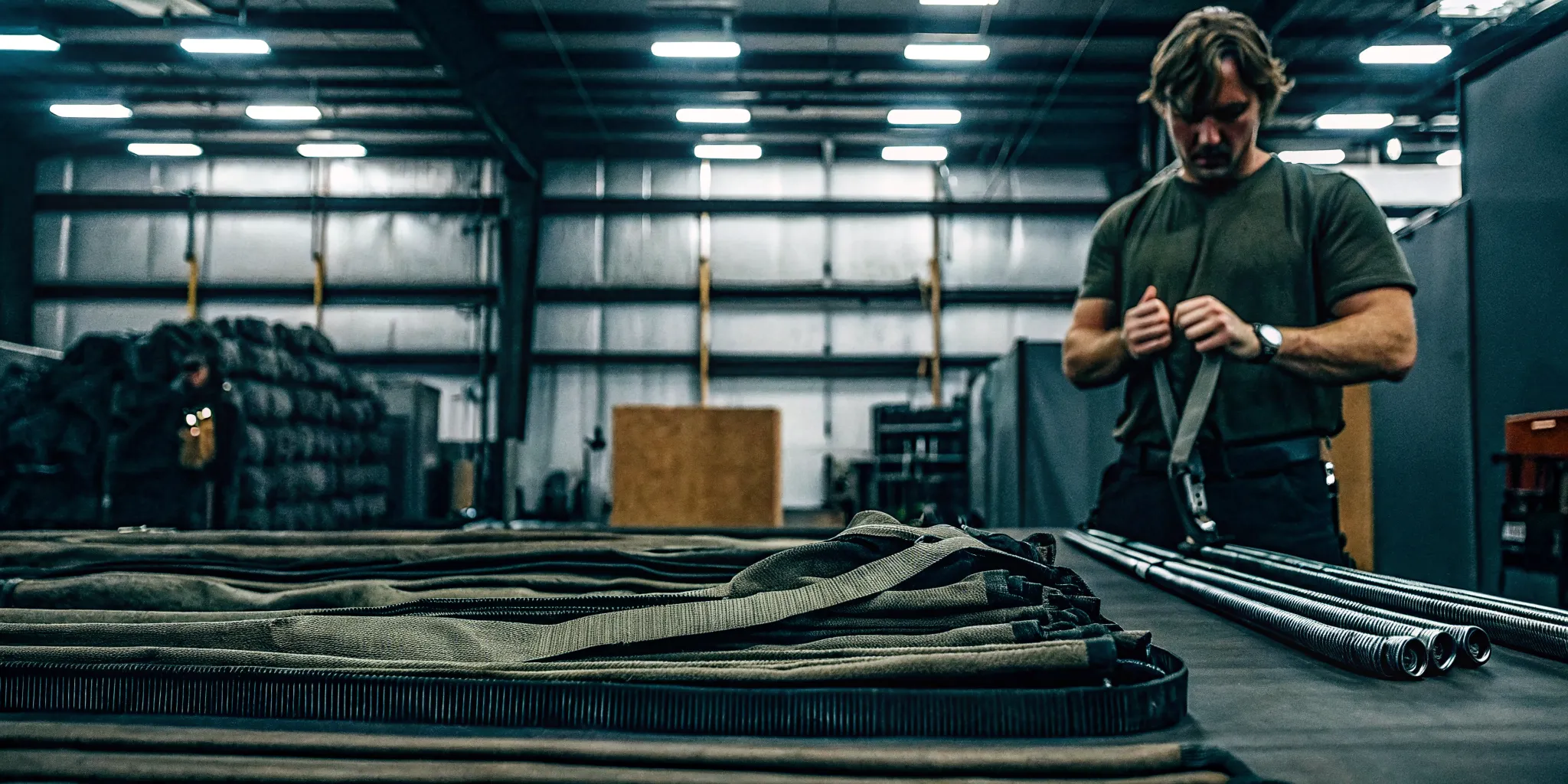
Buying gear for the Department of Defense means meeting strict rules. The Berry Amendment is a key part of this process. It says that items must be made in the United States using domestic parts. While this helps the local economy, it does not prove that a tool is safe to use. Meeting a law is just the first step in getting new gear. True mission success depends on how the equipment works in the field.
A label that says a product is Berry Amendment compliant tactical gear only tracks where it was made. It does not speak to the load rating or the strength of the hardware. High-risk missions need gear that can handle extreme stress. A belt or harness may follow every rule for domestic sourcing but still fail a stress test. Buyers must look past the legal status to find gear that fits their special needs.
Performance over paperwork
Safety gear must meet high load ratings to protect lives. These ratings are set by technical tests, not by the source of the fiber. For example, a rescue harness may need to hold thousands of pounds of force. Engineers look at how the gear is built and how the seams are sewn. They check if the buckles can lock under a heavy load. These performance checks are what make gear ready for a mission.
Compliance often focuses on the supply chain. While this is helpful for procurement, it does not replace a technical review. A program manager must verify that the gear meets MIL-STD or other high standards. They need to know that the gear will work every time. Relying on a compliance tag alone can lead to risks in the field. Proper government and defense services help teams vet their equipment for safety.
Tracking parts for safety
Knowing where every part comes from is vital for safety. This is known as traceability. If a batch of steel is weak, a shop must be able to find every piece of gear that uses it. Full traceability allows for fast recalls and better quality control. Compliance rules often help with this, but they do not go far enough. A good shop tracks parts from the raw metal to the final box.
Inspection and testing are also key parts of the process. Every run of gear should face a set of tests to ensure it is safe. This includes checks for wear, heat, and weight limits. Shops that focus on quality will keep detailed records of these tests. This data gives buyers the proof they need that the gear is ready for use. It builds trust that the equipment will not fail when it matters most.
Testing for the real world
Each mission has its own set of risks and needs. A harness used for helo rescue has different needs than one used for ground work. Program managers often set their own test rules to meet these goals. These rules may be stricter than the basic law. They might look at how gear works in salt water or extreme cold. Custom tests ensure the gear fits the exact job it was made to do.
Choosing the right partner is the best way to get Berry compliant gear that also performs well. A shop should offer more than just a legal form. They should have a clear plan for how they test and track their work. This ensures that every piece of gear is not just legal, but also fit for duty. Expert engineering teams can help build solutions that meet both sets of rules.
Common compliance mistakes that increase procurement risk
Procuring tactical gear for defense contracts requires strict focus on legal standards. Small errors in vetting can lead to bid rejections or legal audits. Many teams face risks because they do not grasp how domestic rules apply to specific gear. Understanding these gaps is the first step to a secure supply chain.
Mixing up TAA and Berry rules
One frequent error is treating the Trade Agreements Act (TAA) and the Berry Amendment as the same thing. They are not. TAA rules let the government buy goods from countries with trade pacts. But the Berry Amendment is a strict law (10 U.S.C. 4862) for the Department of Defense. It needs 100% U.S. sourcing for items like fabrics and Berry compliant tactical gear. Using TAA standards for a Berry-locked contract can halt a project fast.
Missing the source of raw goods
A product might be "Made in the USA," but that does not always mean it is Berry compliant. The law covers fibers and yarns used to make the gear. If a belt uses webbing woven in the U.S. from foreign yarn, it may fail a DoD audit. Teams often miss these small parts. Working with Berry compliant tactical gear manufacturers who track their full supply chain helps lower this risk. You must check that every part of the textile item is grown or made in the United States.
Ignoring specific contract clauses
Compliance is not a one-size-fits-all badge. Each bid has its own set of rules. Some GSA orders only need TAA compliant tactical gear, while others demand full Berry proof. A common mistake is failing to align the gear with the exact contract terms. Teams also confuse safety test results with legal status. A harness might be strong, but strength does not prove where it was made. Always check the CAGE code and SAM.gov data to ensure your supplier meets the needs of your contract.
How is compliance built into mission-specific equipment?
In brief: Compliance is strongest when material origin, approved suppliers, controlled production, inspection records, and technical testing are defined before manufacturing begins.
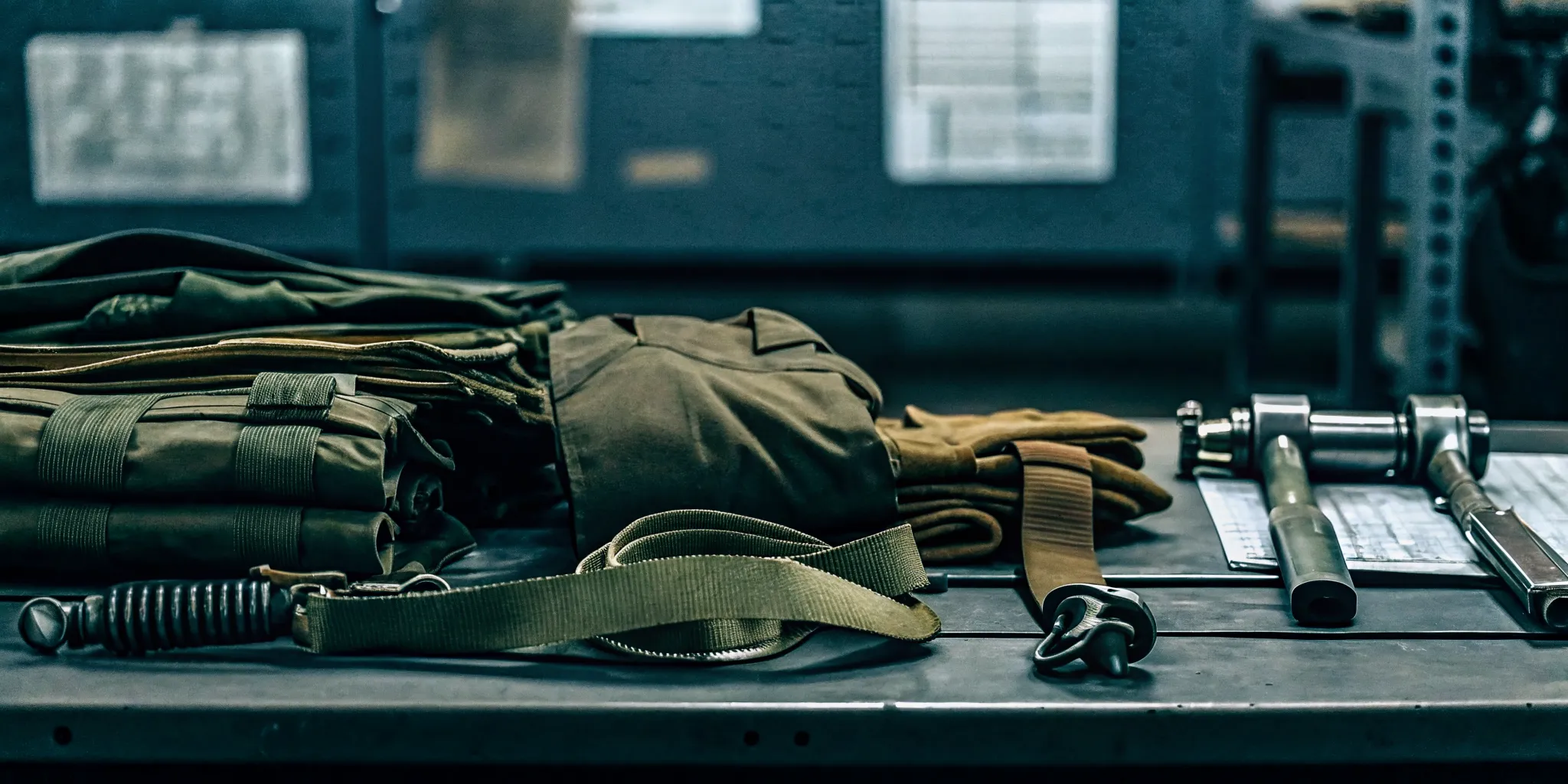
Mission-critical gear needs more than just high-quality parts. It needs a build process that tracks every piece from the start. For defense and aerospace jobs, building compliance into the gear makes sure that the final product meets tough U.S. rules. This process starts by picking Berry compliant tactical gear manufacturers who know about U.S. sourcing and technical watch.
Setup control and tracking
Tracking is the core of mission-specific hardware. When gear is used in high-risk spots, every bolt and yarn must be tracked back to its source. The Berry Amendment (10 U.S.C. 4862) says the Department of Defense must use funds for items made in the United States. This rule covers textiles and tactical belts, making U.S. tracking a top goal for buying teams.
Setup control keeps gear the same across large orders. By keeping tight records of every change, makers can make sure each piece of gear matches the exact mission needs. This level of detail stops errors in the field and keeps the supply chain safe. It also makes the audit process easy for U.S. teams that need to check that their gear stays within the law.
Custom records and prototyping
Advanced gear often needs custom records to prove its worth. Prototyping lets engineers test new designs before they go to full production. During this stage, teams can find problems and fix them fast. This saves time and money while making sure the gear works as it should. Solid records give a clear map of how the gear was made and tested.
Fusion Tactical USA keeps high standards by following ISO 9001:2015 and AS9100 aerospace rules. These proof points show a focus on quality and safety that is vital for aerospace and defense programs. Proper records include load tests that give users peace of mind. Without this data, gear cannot be trusted in the most demanding tactical settings.
Early supplier talks
Talking with a maker early in the design phase is a smart move for program managers. It allows for a deep look at how the gear will be used and what rules it must follow. Early talks help teams decide if they need Berry Amendment compliant tactical gear or if other rules work for their project. This choice has a big impact on the cost and the time it takes to build.
Starting early also helps with rapid prototyping. Makers can create custom samples that meet exact mission needs while staying within the rules of federal buying. This active approach leads to better gear and a smoother path to final approval. It ensures that the mission-critical gear is ready for the field without last-minute rule hurdles.
Frequently Asked Questions
What is the difference between TAA and Berry compliance?
Berry compliance needs 100 percent U.S. parts and labor for all steps of making the item. The Trade Agreements Act (TAA) is less strict and lets the government buy gear from countries with trade deals. Berry is much tougher than TAA and mostly applies to gear bought with Department of Defense funds. According to Trade.gov, these rules help protect U.S. plants. Knowing these rules helps buyers find Berry Amendment compliant tactical gear for their teams.
Can TAA-compliant gear be used for Department of Defense contracts?
Yes, TAA-compliant gear works for many federal buys, but the Department of Defense has its own set of rules. The DoD must use Berry compliant items for textile goods like clothing and harnesses. If a contract needs Berry rules, then TAA status is not enough to meet the law. Buyers should check where the funds come from before they place an order for new gear. As noted by Acquisition.gov, Berry rules cover items like belts, badges, and footwear.
Is Berry Amendment compliance the same as Buy American compliance?
No, these two laws have other rules and apply to other types of buys. The Buy American Act applies to most federal buys and needs a set amount of U.S. parts in the gear. The Berry Amendment is much tougher and needs 100 percent U.S. parts for specific items like tactical harnesses. Berry mostly applies to Department of Defense funds, while Buy American is a general rule for other agencies. It is vital to know which rule fits your project to avoid legal issues and stay safe.
Why is Berry Amendment compliance important for government buyers?
This law ensures that the military has a steady supply of gear made in the U.S. for its missions. By requiring 100 percent U.S. sourcing, the law helps keep the domestic industrial base strong and ready for war. It also makes sure that critical items like tactical harnesses and belts meet high safety standards. According to Trade.gov, the Berry Amendment is a key tool for keeping U.S. supply chains secure. Buying compliant gear supports local jobs and helps keep our troops safe.
Ready to source Berry or TAA compliant tactical gear?
Choosing the wrong gear for your federal contract can lead to big fines and lost bids. If you wait to start your review, you might miss a shipping date or fail an audit. These delays cost time and money that your team cannot afford to lose right now. Acting today ensures your supply chain stays clear and your agency keeps its good name. You can work with a team that knows these rules to keep your project on track. Taking these steps today on our government services page protects your budget and helps you get the gear you need.
Ready to contact Fusion Tactical USA for procurement, custom manufacturing, or mission-specific equipment support? Call (909) 393-9450 to talk to a specialist about your mission needs.


