

Autonomous Mobility Platforms Tactical Safety: Defense Buyer's Guide
Autonomous mobility platforms tactical safety depends on certified, load-rated safety hardware and MIL-STD compliant parts that prevent equipment failure during harsh ground maneuvers. As the U.S. Department of Defense works to handle the rapid growth of autonomous ground systems, making sure hardware is reliable is critical for mission success. Strong straps, tough lanyards, and custom mounts protect complex optical sensors and heavy tactical payloads from intense vehicle vibration and high-speed field impacts. By using Berry Amendment and TAA compliant hardware, defense procurement officers can secure supply chains and keep uncrewed vehicles ready for action under extreme stress. These strict engineering standards stop component failures, protect costly military assets, and keep human personnel out of harm's way during dangerous operations.
Request a Custom Engineering Consultation for Your Autonomous Platform Safety Hardware Needs
What Are Autonomous Mobility Platforms in Modern Tactical Safety Operations?
Autonomous ground vehicles (AGVs) are changing the face of modern defense. The Department of Defense (DoD) wants new fixes for the rapid spread of uncrewed systems. By removing troops from danger, these vehicles help teams perform high-risk tasks safely. Autonomous mobility platforms tactical safety starts with understanding the vehicles themselves and the hardware stresses they endure.
Defining the Uncrewed Ground Vehicle
Uncrewed ground vehicles operate across rough terrain without a human driver. These platforms rely on strong hardware and software to navigate and execute missions. In modern tactical settings, uncrewed systems do more than simple bomb disposal. They can now do complex tasks. Developers build machines that can haul heavy gear or perform scouting.
These systems generally fall into two main categories:
- Uncrewed Ground Vehicles (UGVs): Land-based platforms that operate without a human onboard to perform scouting, hauling, or hazard disposal tasks.
- Autonomous Ground Vehicles (AGVs): Ground vehicles equipped with self-driving technology to move goods or troops along planned routes.
For example, the military uses the Autonomous Mobility Applique System (AMAS) to add self-driving features to standard trucks. They also test the Squad Mission Support System (SMSS) to carry heavy gear for soldiers on foot. These uncrewed options keep troops safe during dangerous resupply trips. The Marine Corps is using a twenty million dollar contract to put more autonomous ground vehicles on the road.
Autonomy Stacks and Vehicle Control Systems
An autonomous mobility platform relies on a complex software system called an autonomy stack. This brain handles perception, localization, and vehicle behavior. Lidar and cameras scan the path so the vehicle can find and avoid obstacles. The stack then plans a safe route through rough terrain in real time. These uncrewed systems are already proving their value in active service. Advanced platforms have shown clear combat skills during major military exercises. Recent combat demos in Africa showed how well these systems can run on off-road paths.
Summary: Autonomous mobility platforms include both uncrewed ground vehicles (UGVs) and autonomous ground vehicles (AGVs). They rely on autonomy stacks combining lidar, cameras, and navigation software. These systems are already deployed in active combat zones, making tactical safety hardware essential for protecting multi-million dollar assets.
The Role of Tactical Safety in Platooning
As these systems join active units, maintaining safety becomes a chief concern. Autonomous ground vehicles must operate safely within linked military formations alongside manned trucks. When multiple trucks travel in a convoy, they use auto-platooning systems to stay aligned. To stay safe, these vehicles need high-performance safety and communication equipment. Using certified safety systems for tactical mobility hardware keeps both manned and uncrewed assets secure. Robust hardware is the best way to support autonomous mobility platforms tactical safety and ensure mission success.
How Are Autonomous Ground Vehicles Transforming Tactical Safety?
Removing Soldiers From Danger
Modern land battles put troops at high risk. Uncrewed ground systems now take on the most dangerous jobs. Defense leaders seek new ways to deploy these uncrewed systems to counter field threats. This goal is shown in reports on the rapid rise of uncrewed systems on the battlefield. These uncrewed systems use safety systems for tactical mobility hardware to keep payloads secure. By using uncrewed trucks, troops can be kept out of the line of fire. These machines carry food, fuel, and gear through hot zones without human drivers. This change cuts loss of life and boosts the speed of the squad.
Summary: Autonomous ground vehicles remove soldiers from dangerous supply and patrol missions. By using uncrewed trucks for resupply, reconnaissance, and heavy hauling through active combat zones, military units reduce casualties while maintaining operational tempo.
Combat Success and Platform Scale
Autonomy is no longer just a concept for testing in closed yards. Real systems are active in the field to support troops right now. Forterra's AutoDrive system shows how fast this tech grows. This tactical software currently runs in over 10 countries around the world. It serves in cities, shipping ports, and remote mines to solve hard driving tasks. This same tech is now being set up on more than 50 vehicle platforms to date. This wide use shows that autonomous mobility platforms tactical safety systems can scale to fit any size truck or tank. Whether the vehicle is a small scout car or a huge supply truck, the core safety needs remain the same. These modern uncrewed trucks have run more than 1,100 combat missions in real conflicts.
Securing Heavy Loads During High-Speed Maneuvers
When a heavy truck drives itself, it moves fast over rough ground. Fast driving creates heavy shaking and high G-forces. To keep the heavy gear safe, uncrewed trucks need strong tie-downs. Robust retention hardware is key to prevent gear from breaking loose during hard turns. These uncrewed ground vehicles must perform without fail, because in the field, equipment failure is not an option. Heavy vibration from rough roads can weaken standard straps and buckles. Teams must use rated load-bearing equipment for autonomous mobility platforms to secure gear. This hardware can take the massive weight and sudden pulls of high-speed drives.
Get a Quote for MIL-STD Compliant Tactical Hardware
Critical Safety Hardware Requirements for Autonomous Platforms
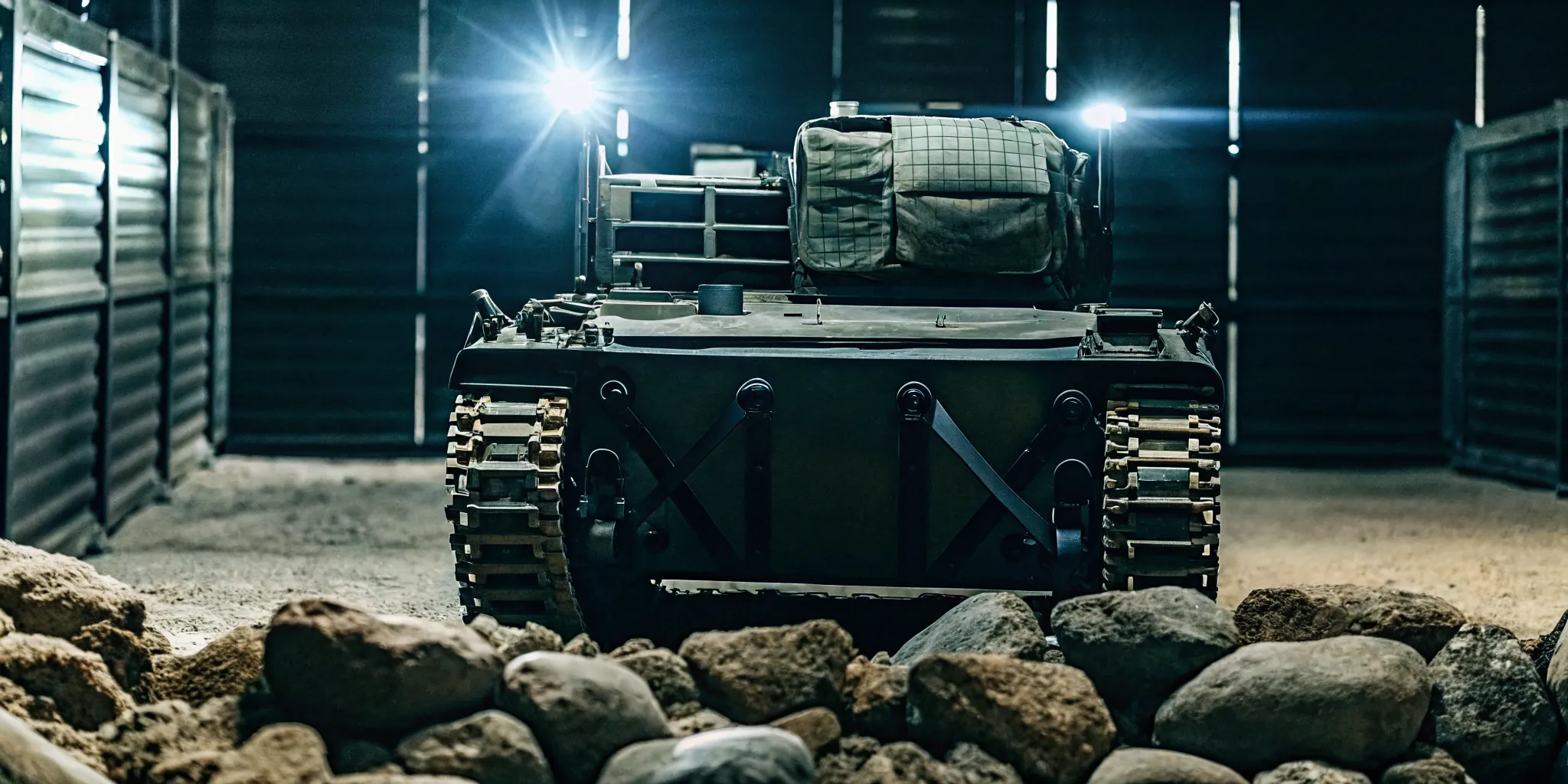
Modern uncrewed systems operate in tough areas. In these zones, load-bearing equipment for autonomous mobility platforms must hold heavy gear in place. This high-strength hardware helps maintain autonomous mobility platforms tactical safety. Uncrewed ground vehicles must handle extreme field tasks without human operators. Because of this, standardizing safety hardware across these uncrewed ground vehicles is essential. Using high-strength rated gear is the only way to avoid system failure. If a single strap or buckle fails, a multi-million dollar vehicle could be lost. Reliable hardware ensures the system keeps working when no humans are near to fix it.
Summary: Autonomous platforms require hardware that meets strict load ratings and military standards. Rated tie-downs, locking links, and retention systems prevent equipment failure during high-vibration operations. Custom engineering and rapid prototyping help teams adapt hardware to rapidly evolving autonomous vehicle designs.
Load Ratings and Military Standards
Autonomous platforms face harsh field forces during off-road travel. Standard gear cannot take these high loads. Hardware must meet strict rules to survive. To keep vehicles safe, teams set up safety systems for tactical mobility hardware on each platform. Using parts that meet military standards ensures the system can handle sudden shock. Government groups also set clear standards for uncrewed tools. For example, the DoD Directive 3000.09 guidelines help minimize system failures. Every load-rated hook and ring must meet these harsh demands to keep the platform secure.
Vibration Retention and Structural Integrity
Tactical ground vehicles shake a lot on rough trails. This continuous shaking can loosen standard bolts and pins. Uncrewed platforms need robust retention systems to handle these heavy vibration loads. If a part comes loose, the entire vehicle could fail. To prevent this, builders use load-rated belts and locking links. These parts lock together and stay tight during sharp turns. Constant vibration can degrade even the toughest metals over time. High-stress maneuvers can place thousands of pounds of force on a single anchor. Choosing hardware with high kilonewton ratings prevents structural failure.
Custom Engineering and Rapid Prototyping
Autonomous platform designs change fast. New vehicle models need different hardware shapes and sizes. Builders need a partner who can build custom parts fast. Rapid prototyping helps makers change gear fast to fit new needs. This speed allows engineers to test different layouts without long delays. Fusion Tactical builds rated hardware for these uncrewed platforms. Their team offers custom engineering to solve tough mounting problems. With U.S.-based manufacturing, they deliver the parts needed to keep uncrewed vehicles safe in the field. Defense and aerospace teams can count on American-made gear for their most demanding projects.
Load Ratings, MIL-STD Compliance, and Safety Standards for Autonomous Tactical Systems
Safety hardware must keep pace with rapid progress in uncrewed systems. Designing for autonomous mobility platforms tactical safety requires a strict focus on load ratings and engineering standards. A system is only as strong as its weakest link, so hardware must not fail. Rigorous design rules help ground and air platforms handle high stress in the field.
Summary: MIL-STD-810, DoD Directive 3000.09, OSHA, and ANSI Z359 govern autonomous platform safety hardware. Hardware must carry verified kilonewton load ratings and meet Berry Amendment and TAA sourcing rules. Fusion Tactical USA manufactures certified hardware under CAGE Code 0KQN1.
Military Standards and Governance
To govern these new platforms, the military sets clear rules. The DoD Directive 3000.09 outlines strict guidelines for uncrewed weapon systems. These rules assign roles and duties to minimize failures in the field. They also set up firm accountability rules to prevent unintended engagements and harm. By following these governance rules, teams build safer and more reliable systems. As military systems get more complex, the risk of technical failure grows. Clear accountability rules ensure that humans stay in control of critical decisions.
Load Ratings and Hardware Testing
Heavy uncrewed systems put great physical stress on all parts. Standard commercial gear is not enough for these tough jobs. Hardware must have verified kilonewton load ratings to prevent failure under sudden loads. Industry teams must install certified safety systems for tactical mobility hardware. This hardware must meet OSHA rules and ANSI Z359 standards to keep ground platforms secure. Vibration and movement create constant physical strain on moving platforms. Standard pins and buckles can slip under these loads. Rigorous testing ensures that every piece of tactical safety gear stays locked during high-stress missions.
Procurement Compliance and Manufacturing
Defense buyers need suppliers they can trust. Government contracts require strict compliance with the Berry Amendment and the Trade Agreements Act. These rules ensure that safety gear is made in the United States to secure the supply chain. Fusion Tactical makes its gear in California under CAGE Code 0KQN1. This code proves they are a verified source for high-stress defense and aerospace needs. Government buyers need verified partners who can design and build custom hardware fast. Having a CAGE Code and U.S. manufacturing means a supplier is ready for federal contracts.
| Hardware Class | Load Rating | Key Standards | Sourcing Rules |
|---|---|---|---|
| Light-Duty Rigging | 11 kN to 15 kN | OSHA, ANSI Z359 | Global supply chain |
| Heavy-Duty Tactical Hardware | 22 kN to 31 kN | MIL-STD-810, TAA | U.S. made, TAA compliant |
| Mission-Critical Safety Gear | 31 kN to 60 kN | DoD 3000.09, Berry | U.S. made, CAGE Code 0KQN1 |
How Does Aerospace Engineering Expertise Enhance Ground-Based Autonomous Safety Systems?
Aerospace design must meet strict standards because a small error can cause a major crash. This high level of care is now helping to shape ground-based self-driving systems. These dual-use designs must protect both hardware and crew. Under DoD Directive 3000.09 guidelines, builders must limit failures. Applying flight-grade safety rules to land vehicles makes them much more robust.
Crossover of Flight Technologies to Ground Platforms
Uncrewed ground vehicles face rough paths and sudden stops, which means they need certified, mission-critical equipment to survive. This is where flight design plays a major role. Fusion Tactical uses its work on aerospace programs to build better ground gear. The same engineering that keeps flight systems safe is used to secure land-based vehicles. When ground platforms move over rocky land, the stress on mounting points is high. Rated straps and strong buckles keep heavy gear in place. All hardware must not bend, slip, or break under these loads.
Custom Safety Hardware and Rapid Prototyping
Developing autonomous mobility platforms tactical safety requires fast, smart hardware changes. As self-driving systems grow and change in the field, their hardware needs change too. Fusion Tactical relies on rapid prototyping and custom engineering to meet these fast-paced needs. This skill lets the firm create and test new designs quickly. This speed is vital when field needs change overnight. By using rapid prototyping, designers can refine retention clips and straps in days rather than months. This ensures that every bracket and mount fits perfectly on the target vehicle. These strong mount systems use the same ideas that keep crews safe in air operations. Understanding autonomous safety integration in helo operations helps builders design better ground safety systems.
Dual-Use Automation and Platooning Systems
Technology often starts in defense before moving to business tasks. The auto-platooning systems built by Kratos show this crossover well. First designed for military convoy use, these self-driving vehicle systems now support trucking and commercial logistics. This shift from battlefields to public highways needs robust, high-strength safety hardware. Vehicles must stay linked. This safety standard helps protect both people and goods. Using rated tie-downs and heavy straps ensures these moving fleets remain secure.
Procurement Considerations for Government and Defense Buyers
Government and defense buyers must look closely at compliance when they buy parts for autonomous systems. The hardware used to secure these vehicles must meet strict federal rules. Choosing the right source helps keep the supply chain safe and reliable.
Summary: Government buyers must verify Berry Amendment and TAA compliance, confirm CAGE Code registration, and choose U.S.-based manufacturers for autonomous platform safety hardware. Fusion Tactical USA meets all federal procurement requirements with custom engineering and rapid prototyping capabilities.
Federal Standards and Supply Chain Security
Military buyers must follow strict guidelines to cut system failures. The guidelines in DoD Directive 3000.09 manage the use of autonomous functions in weapon systems. The directive aims to stop unintended engagements and failures. To meet these goals, the physical safety hardware must be fully reliable. Federal compliance goes beyond software , every strap, buckle, and mounting bracket must meet MIL-STD requirements. Sourcing from verified U.S. manufacturers eliminates foreign supply chain risks. The Berry Amendment requires that certain tactical equipment be made entirely in the United States. Fusion Tactical USA meets this standard with its California-based manufacturing facility.
What Are the Key Compliance Certifications Required for Autonomous Safety Hardware?
Procurement officers need to verify several compliance certifications before purchasing safety hardware for autonomous platforms. The most critical certifications include Berry Amendment compliance for U.S.-made tactical gear, TAA compliance for government contracts, and MIL-STD-810 testing for environmental durability. Hardware must also carry verifiable kilonewton load ratings from independent testing. Fusion Tactical USA holds CAGE Code 0KQN1 and Small Business Certification #2011930, confirming eligibility for federal contracts. These certifications ensure that every component meets the stringent demands of defense and aerospace procurement.
Vendor Qualification and Custom Engineering
Procurement teams must choose vendors with proven experience in defense manufacturing. Fusion Tactical USA provides custom engineering and rapid prototyping for autonomous platform safety systems. The company holds broad NAICS coverage, serves aerospace and defense programs, and maintains a NASA partnership. These qualifications make Fusion Tactical a reliable partner for government buyers seeking MIL-STD compliant tactical hardware. Fast turnaround on custom designs reduces project delays and ensures that evolving platform needs are met without compromising safety or compliance.
The Future of AI-Enabled Tactical Safety Systems
The next generation of autonomous vehicles will need even more advanced safety systems. Researchers are combining AI with rugged hardware to create self-monitoring platforms. Machine learning can detect failing parts before they break. Computer vision can watch for loose straps during a convoy. This smart hardware approach is the next frontier in autonomous mobility platforms tactical safety.
Summary: AI-enabled safety systems combine machine learning, computer vision, and load-rated hardware to create self-monitoring tactical platforms. U.S. manufacturing partnerships ensure supply chain security for these next-generation systems. Fusion Tactical USA supports both ground and air programs with rated safety hardware.
AI-Driven Maintenance and Predictive Safety
Advanced sensors can now monitor strap tension and vibration levels in real time. When a strap begins to wear, the system alerts the operator before failure occurs. This predictive approach reduces downtime and prevents accidents. Forterra's AutoDrive system is now active in over 10 countries across ports, distribution centers, and industrial sites. Uncrewed systems have now logged more than 1,100 combat missions in the field. To keep these vehicles running, crews need rugged load-bearing equipment for autonomous mobility platforms.
Unmanned Extraction Systems and Autonomous Flight
AI is also changing rescue tasks in high-risk zones. Soon, robotic vehicles will retrieve wounded troops from hot areas without risking human pilots. This requires smart flight systems and tough, rated tie-down gear. Overland AI showed combat capabilities with uncrewed vehicles during a major African defense exercise. To push this tech forward, the military is investing heavily. A recent 20 million dollar contract aims to speed up the rollout of these vehicles for the Marines. Using certified gear helps ensure secure autonomous safety integration in helo operations.
Domestic Manufacturing and Defense Procurement
Building safe autonomous tools requires a secure supply chain. Foreign parts can bring safety risks and hidden design flaws, which is why the Pentagon prefers U.S. factories. Fusion Tactical USA meets these strict government needs. The firm is known for U.S. manufacturing excellence and rapid prototyping. It supports both ground and air programs with rated safety hardware. This work relies on years of defense experience, including a NASA partnership and support for aerospace programs. Holding CAGE Code 0KQN1, the company is a trusted source for military buyers.
Frequently Asked Questions
How does the military regulate the safety of autonomous ground vehicles?
The Department of Defense uses DoD Directive 3000.09 to govern these platforms. This policy sets strict rules for autonomous functions in military gear. It works to lower the risk of failure and prevent unwanted actions during field missions.
Can autonomous mobility platforms operate in real combat?
Yes, they can operate in major field tests and missions. For example, Forterra has built its AutoDrive system onto more than 50 types of vehicles. According to Forterra, their platforms have run over 1,100 combat missions in ten countries. These systems prove that ground autonomy is ready for high-risk defense roles.
Why does the military need autonomous mobility platforms?
The military needs these systems to protect troops and meet new tactical threats. According to a defense news release on defense.gov, the military is seeking quick answers as autonomous threats grow. Uncrewed systems keep operators safe by handling dangerous off-road supply runs and patrol work in high-risk zones.
What load ratings are required for tactical autonomous platform hardware?
Hardware for autonomous platforms ranges from 11 kN (light-duty rigging, OSHA/ANSI) to 60 kN (mission-critical gear, Berry Amendment compliant). Heavy-duty tactical hardware typically requires 22 kN to 31 kN ratings with MIL-STD-810 and TAA compliance. These ratings ensure components can withstand the extreme forces of high-speed tactical maneuvers.
How does Fusion Tactical USA support autonomous platform safety?
Fusion Tactical USA provides custom-engineered, load-rated safety hardware for autonomous ground and air systems. The company manufactures in California under CAGE Code 0KQN1, holds Berry Amendment and TAA compliance, and offers rapid prototyping for evolving platform designs. Their NASA partnership and aerospace program experience bring flight-grade engineering rigor to ground-based autonomous safety systems.
What certifications should procurement officers look for in autonomous safety hardware?
Procurement officers should verify Berry Amendment compliance, TAA compliance, MIL-STD-810 testing, and verifiable kN load ratings. Suppliers should hold a CAGE Code (such as Fusion Tactical's 0KQN1) and demonstrate U.S.-based manufacturing capability. These certifications ensure eligibility for federal contracts and supply chain security.
Ready to Secure Your Tactical Autonomous Platforms?
Using unrated safety hardware on tactical autonomous vehicles poses a severe risk, as a single part failure can ground your entire fleet. Setting up custom safety designs early prevents costly project delays and ensures full compliance with strict defense standards. You get rated, highly reliable systems built for extreme use, helping you meet strict buying rules and avoid slow, costly rework.
Equipment failure is not an option when missions and lives are on the line. Our U.S.-based engineering team is ready to design and test custom load-rated safety parts for your platforms.
Call (909) 393-9450 to Request Government Pricing or Schedule Your Custom Engineering Consultation


