

Tactical Load-Bearing Equipment Inspection and Maintenance
A single hairline crack in a tactical carabiner can cause complete system failure during helicopter extraction. Standard inspection routines protect operators from the unseen degradation of heavy deployment.
Tactical load-bearing equipment inspection and maintenance is a vital process that keeps life-safety gear working under extreme stress. This regular care includes a daily check of all textile slings and webbing for fiber fraying, surface wear, or color loss from chemicals. Operators must also inspect rated hardware and metal buckles to find small cracks, metal bends, or heavy wear on load points.
To meet OSHA standards, units must remove any damaged or defective gear from service at once. Good upkeep stops gear failure, reduces downtime, and keeps units in full compliance with strict federal laws. Regular cleaning and dry storage also prevent fiber rot from salt air and dust, protect against moisture, and a clean logbook lets teams track the service history of each harness.
Before you establish a schedule, you must define what tactical load-bearing equipment inspection and maintenance include for all key gear types. This critical safety checklist begins with a clear understanding of the systems your teams depend on.
What Does Tactical Load-Bearing Equipment Inspection and Maintenance Include?
The process of tactical load-bearing equipment inspection and maintenance involves a full review of life-safety gear to ensure its safety. For defense teams, these steps are a key part of gear care, covering tactical harnesses, helo lanyards, and rated metal hardware. By setting up standard maintenance cycles, units can prevent gear failure during high-stakes missions. This overview outlines the core areas that a standard maintenance plan must cover to protect your team.
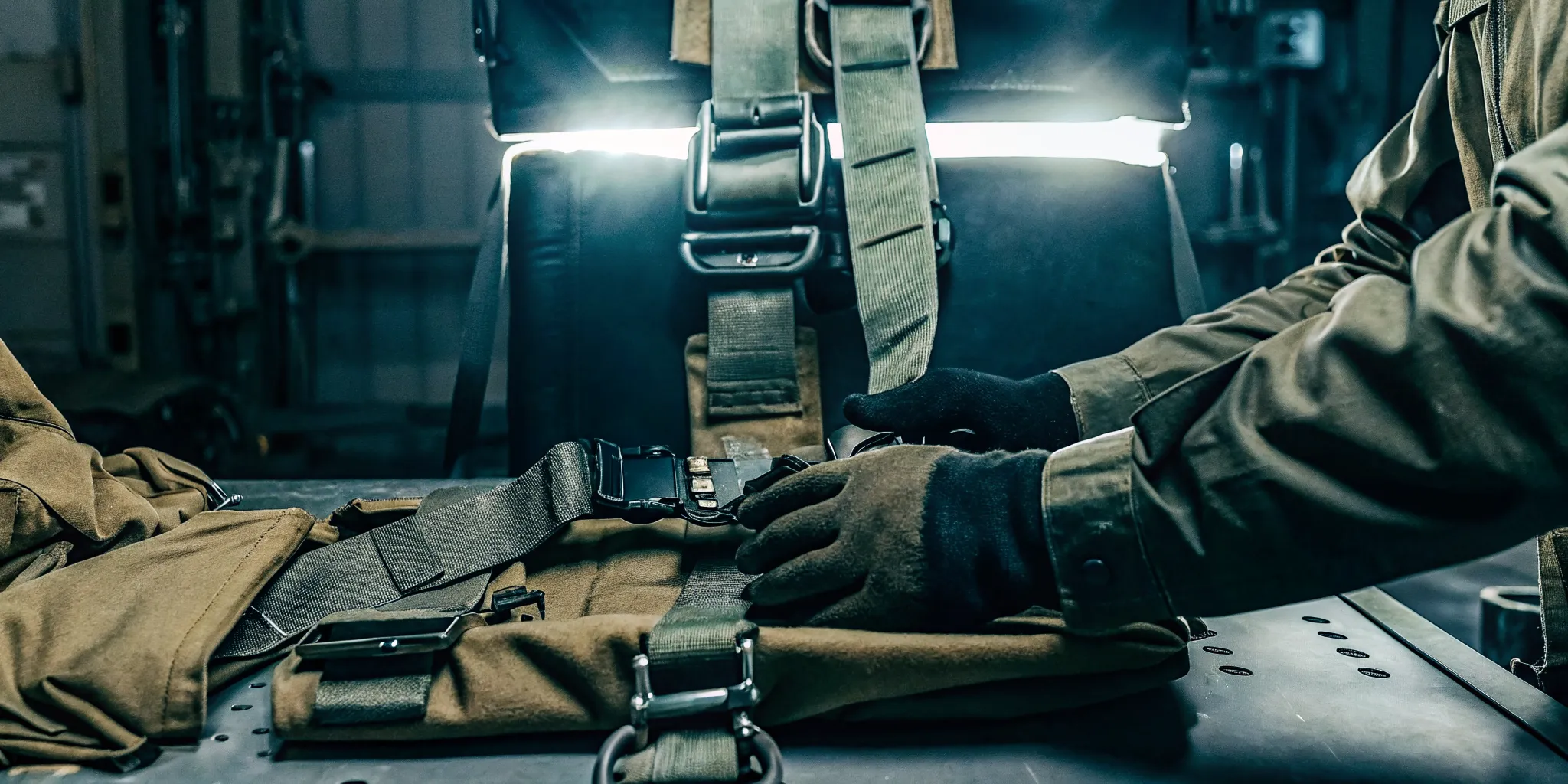
Textile and harness systems
Webbing and fabric elements form the core of most load-bearing systems. Tactical harnesses and helo retention gear are built to exceed MIL-STD rules, which makes regular checks vital to ensure safety. Users should read the load-bearing system inspection guide to learn about specific wear patterns. Webbings and slings must be checked for surface wear, fiber fraying, or color loss from chemical contact, as even small cuts can reduce strength. If a user finds any of these signs of fabric wear, they must remove the gear from service immediately. Never attempt to sew or repair a life-safety strap yourself.
Metal rated hardware
Load-bearing metal hardware is the second key area of tactical equipment care. This hardware includes heavy-duty rings, quick-release buckles, and snap hooks. Daily inspection must involve checking every component against its specified kN strength ratings. Metal hardware must remain free of rust, cracks, and deep scratches. Fusion Tactical USA uses ISO 9001:2015 certified methods to build these parts, which ensures they remain strong in the field even during prolonged deployment. When checking metal parts, look for cracks, bends, or wear on points where you apply loads. Any warped buckle or bent hook can cause sudden and total gear failure. If you spot any damage on a buckle or connector, you must retire the complete unit.
Maintenance and service protocols
A complete gear program must include regular washing, dry storage, and detailed record-keeping. Under federal rules, rigging and safety gear must undergo strict checks before each shift. You should follow inspection and maintenance protocols to ensure gear safety and protect your team. This means you should wash dirt and salt from the straps using mild soap and warm water. After washing, let the gear air dry away from direct heat or harsh sun. Proper storage in a cool, clean, and dry space is also vital to keep your equipment in prime condition. Finally, keep a written log of every check to build a clear history for each piece of equipment. Standardized forms make it easy to track these checks over time.
Why Maintenance Protocols Matter for Mission Readiness
Sustained gear maintenance is not a single safety check. It is an ordered, ongoing process. This process ensures that life-safety gear performs under heavy pressure. Professional equipment maintenance protocols keep these key systems active and ready.
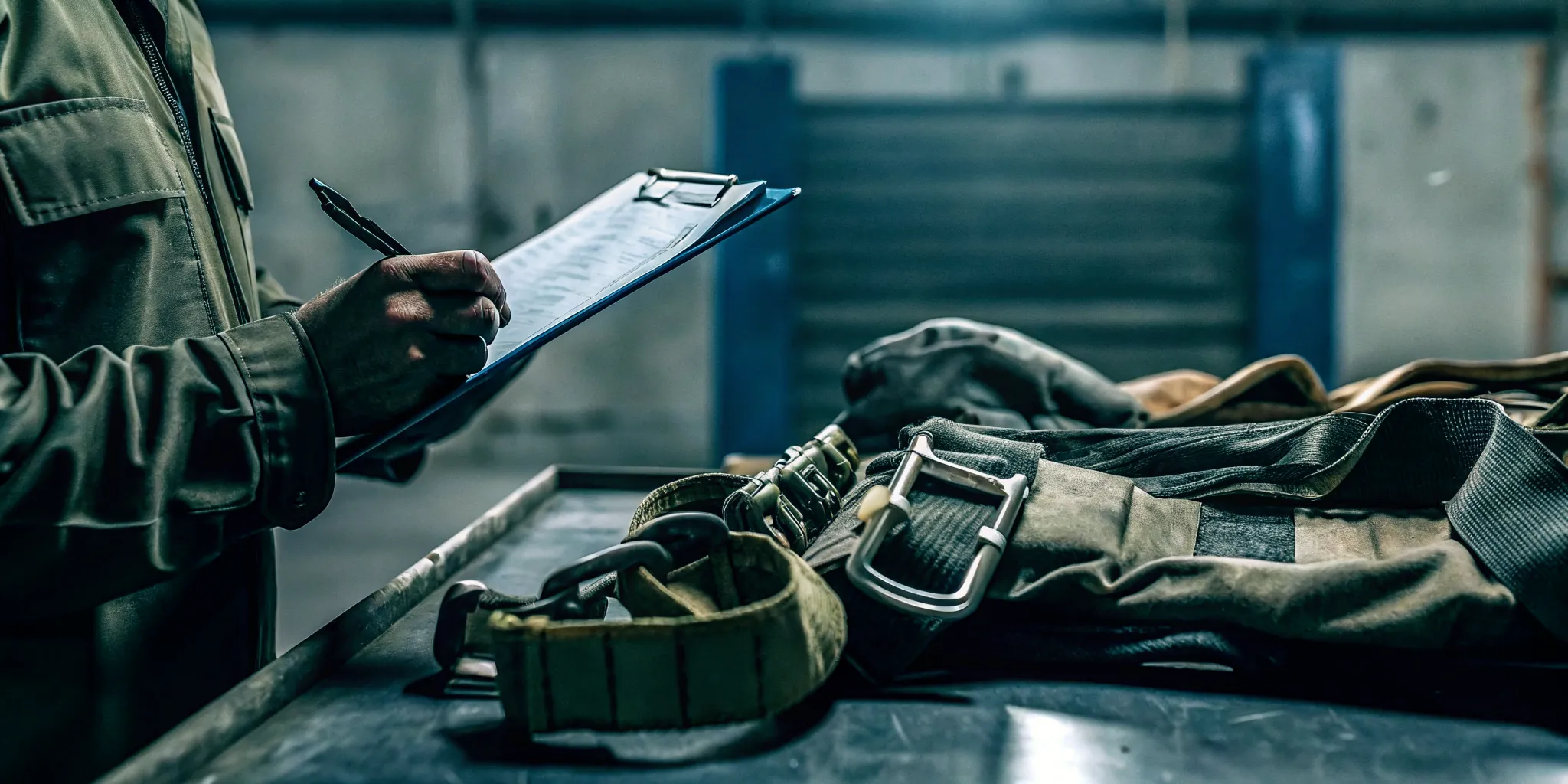
Tactical gear, including tactical harnesses and helo retention gear, is often built to exceed MIL-STD specs. However, even the best gear wears down with time and heavy use. A planned protocol is needed to maintain high mission readiness over years of service. This proactive care keeps life-safety systems fully rated and safe for active duty.
How does maintenance ensure high equipment availability?
Planned care ensures gear is ready for use when teams need it. It directly cuts down on gear failure during key tasks. When gear is always ready, teams can act with speed and total focus. This steady readiness protects human lives in high-risk zones during training and active missions.
You must align your check schedules with how hard you use the gear. Harsh field conditions, such as extreme dust or high humidity, require faster care intervals. These rules are set by the Occupational Safety and Health Administration (OSHA) to prevent sudden gear failure in the field. When protocols match the environment, equipment remains safe and ready for use.
Why go beyond simple periodic inspection?
A simple safety check is only a basic baseline for gear. In contrast, a complete program for tactical load-bearing equipment inspection and maintenance is proactive rather than reactive. It catches obvious damage that has already occurred on a shift. It also looks at the whole service life of the gear to prevent issues.
This complete care includes regular cleaning, proper storage, and tracking usage. It is a critical part of professional gear care that builds long-term trust. This method ensures that every harness, strap, and hook is fully fit for service. Without a full protocol, small wear can escape notice and turn into a major hazard.
Building a culture of operational confidence
Establishing a culture of care promotes gear life. It also enhances team trust in tactical load-bearing gear when missions begin. Teams must know their life-safety systems will not fail under load. This trust starts with elite building methods and continues with strict upkeep.
Procurement officers look for tactical gear compliance standards during the purchase. Gear that is Berry and TAA compliant offers a strong baseline of quality and strength. When teams combine this quality with strict protocols, they build real trust. This deep trust is vital when lives depend on the gear.
How Often Should You Inspect Tactical Load-Bearing Equipment?
Daily checks keep tactical gear safe and ready. Federal groups set clear rules for timing. You must follow these timing tiers to keep your team safe in the field. These rules are part of a complete tactical load-bearing equipment inspection and maintenance plan.
Daily checks before each shift
A competent person must check your gear each day before use. Federal rules from the Occupational Safety and Health Administration (OSHA) require a daily check of all slings and attachments before use. This first check protects users before they start their work. It is the core of daily equipment maintenance protocols.
You must also check load-bearing gear before each shift. This daily look ensures that webbing, seams, and buckles are free from deep cuts or wear. If a user spots any issues, they must report them to a safety lead. Taking this quick step helps prevent mishaps during fast-paced missions.
Frequent and periodic inspection schedules
Gear needs more than just daily checks. You must perform frequent checks of load-bearing gear when service conditions warrant extra safety reviews. High use in harsh places like salt water or dusty zones means you must check gear more often. Changing check timing based on heavy use and environment keeps your gear strong.
For full safety, follow a structured load-bearing system inspection guide. This guide outlines the exact wear signs to watch for during planned checks. It helps teams track wear over time to plan repairs. Clear records also ensure that you meet safety rules.
Post-incident retirements and professional checks
A sudden event can ruin rated hardware or textiles. If your load-bearing gear has a fall or an extreme shock load event, you must retire it from service at once. Do not try to reuse this gear before an expert checks it. This rule applies even if the gear looks fine on the outside.
Even minor falls can weaken nylon fibers or cause tiny cracks in steel buckles. A trained tester must check the gear before it can return to service. If they find any deep damage, they will scrap the gear. Keeping damaged gear in the field puts lives at risk.
To keep your teams ready, use this quick guide to plan your safety tasks. This table breaks down the three main check types for tactical gear, who should run them, and how often they must happen.
| Check type | Performed by | How often or trigger |
|---|---|---|
| Daily user check. | The gear user. | Before each shift and during use. |
| Planned formal check. | Trained safety lead. | Monthly or every few months. |
| Post-incident check. | Trained expert. | At once after a fall or shock load. |
A Step-by-Step Tactical Load-Bearing Equipment Maintenance Protocol
To keep life-safety gear ready, a clear routine is needed. Setting up a strict tactical load-bearing equipment inspection and maintenance plan ensures that each piece of gear works well when lives are on the line. You must follow these steps to keep systems in top shape.
Core Field Checks and Immediate Actions
Each user must know how to inspect their own gear. Routine checks help find small issues before they turn into major failures. Proper training helps users spot issues early in the care cycle. If you find any wear, you must take action right away to keep the team safe. These steps form the spine of safe equipment maintenance protocols for all units.
- Perform a pre-use check: Users must inspect all gear before each shift to ensure safe use. Check that the product has legible, permanent ID markings and safe working loads, as required by OSHA rigging standards. Do not use gear if these markings are missing or hard to read.
- Remove damaged gear from service: You must isolate any defective gear at once. Under OSHA shipyard inspection rules, defective load-handling gear must be removed and repaired or replaced before anyone uses it again. Any gear that has taken a fall or a heavy shock load must be retired from service immediately for a full review. Do not let damaged slings or gear remain in the active work area.
- Inspect all textiles: Look closely at all webbing and fabric parts. Search for signs of surface wear, fiber fraying, or discoloration from heat or chemicals. These issues can weaken the fibers and reduce the strength of your load-bearing equipment safety systems.
- Check all hardware parts: Look at metal buckles, rings, and links. Search for signs of cracks, bends, or excessive wear on the key load points where force is applied. If you find any deep scratches or bends, retire the piece.
- Examine stitching and fasteners: Look at all sewn parts to find loose threads, broken seams, or torn stitches. Check that all buckles and links are solid and lock tight. Stitching must be neat and complete to hold up under high loads.
- Clean gear by the book: Wash dirty gear using the specific steps given by the maker. Use mild, non-abrasive soap and warm water to wash away dirt, salt, and grime. Avoid harsh chemicals that can harm synthetic webbing and cause early wear.
- Document the check: Write down the results of the check in a secure log. Keeping a clear service history helps track gear across the team. This log is vital for mission readiness and long-term planning.
Post-Inspection Logs and Storage
Once the checks are done, store all gear in a clean, dry room away from direct heat and light. Proper storage protects synthetic fibers from rotting or losing strength. Harsh environments like salt air or heavy dust mean you must run these steps more often. Following this strict care protocol keeps your critical systems safe and ready for any call.
Textile and Hardware Failure Modes to Watch For
Inspectors must know what to look for when they check load-bearing gear. Wear can hide in quiet spots. A small tear or a bent clip can cause total failure under load. To keep teams safe, you must find these defects early. Following proper equipment maintenance protocols helps prevent accidents in the field. We group these failure modes into textile wear and hardware damage.
Textile and stitching defects
First, inspect all soft goods. When you check webbing, look for signs of surface wear, fiber fraying, or discoloration from chemicals. Chemicals can eat through nylon and polyester fibers. This can make the webbing weak without showing clear tears. You must also run a regular check of stitching and fastener integrity on all sewn parts. Look for loose threads, broken stitch lines, or open seams. A single broken stitch can allow a seam to rip when a load is applied.
Never ignore tiny spots of fuzz. Heavy use rubs the outer yarn until it frays. This thins the strap and drops the strength rating of the gear. If you find fuzzy webbing, test if the fibers are stiff. Stiff fibers mean heat damage, which we cover below.
Hardware cracks and wear
Next, inspect all metal and plastic parts. A metal hook or ring must not have any physical damage. Your checklist should include checking for cracks, deformation, or excessive wear on load-bearing points. Even a tiny crack can grow under pressure. A bent ring will not distribute weight the right way. This can cause the hardware to snap or release. Check clips and buckles to see if they open and close smoothly. If a spring is weak or stuck, do not use the gear. Clean out any grime that stops the gate from locking.
Metal parts can also rust when exposed to water or salt. Rust eats into the metal and reduces its overall strength. Look closely at the pivot pins and joints. Gritty dirt can grind down metal surfaces during field operations. If you see deep grooves or thin metal on load points, replace the part right away. Never try to bend a deformed metal loop back into shape.
Environmental and heat factors
Harsh environments make tactical gear fail much faster than normal. Your inspection and maintenance protocols must address field factors that can speed up wear, such as salt exposure, dust, or high humidity. Salt can speed up metal rust and rot webbing fibers. Fine dust gets deep inside woven straps. These sharp grains act like tiny knives that cut the fibers whenever the gear bends. This friction causes deep wear that you cannot see on the surface.
Heat is another hazard for synthetic gear like nylon or polyester. Visual checks must include looking for heat exposure, which can weaken synthetic fibers. High heat causes the fibers to melt and fuse together. Look for shiny, hard glaze spots on the straps. Fused fibers are stiff and brittle. They will snap instead of stretching under load. If you find any hard or melted areas on your gear, remove it from service right away.
Cleaning, Storage, and Environmental Protection for Tactical Gear
Proper care is a core part of tactical load-bearing equipment inspection and maintenance. Field use brings dirt, sweat, and grit to your gear. Over time, grit and dirt wear down synthetic fibers and rated hardware. Keeping this life-safety gear from decay is vital for mission readiness. Teams must clean and store their systems with care to ensure high load-bearing equipment safety.
Cleaning guidelines for tactical textiles
Under federal safety guidelines, gear must be cleaned according to manufacturer-specific guidance. This step prevents chemical build-up that can weaken synthetic fibers. Non-abrasive cleaners must be used to prevent damage to the webbing and hardware. Do not use bleach, strong soaps, or harsh solvents. These chemicals can dissolve the coatings that protect nylon fibers from wear.
Air drying is the only safe way to dry wet tactical gear. Do not use high heat dryers or direct sunlight to speed up the drying process. High heat can cause fiber fusion and weaken load-bearing threads. Lay the clean gear flat in a cool, airy space. Let the gear dry fully before putting it back into service. These simple steps are central to sound equipment maintenance protocols.
Cleaning metal hardware is just as important as washing textiles. Dirt, salt, and sand can jam release buckles and gates. Wash metal parts with mild soap and dry them with a soft cloth. Check that spring-loaded parts move freely after drying. You may use a dry lubricant to keep moving parts smooth. Doing so ensures your hardware meets its rated load strength when you need it most.
Storage rules and environmental exposure hazards
Under federal standards, equipment must be removed from the work area when not in use so as not to present a hazard. This proper storage practice keeps gear safe from sharp cuts, oil spills, or heavy weights. Storing gear in a clean, dry room also prevents fiber decay.
According to OSHA safety resources, gear used in harsh climates needs more frequent inspection and maintenance intervals. Harsh conditions include salt spray, dust, and high humidity. Salt can corrode metal buckles, while dust can cut fibers like glass. So, harsh climates need shorter service cycles to ensure safety. Teams in coastal or desert areas must adjust their schedules to match these high wear rates.
Heat exposure is another major threat to synthetic fibers. Visual checks of tactical equipment must include searching for signs of heat damage. Exposure to high heat sources, such as engines, exhausts, or fire, can weaken load-bearing nylon. This heat exposure can cause fiber damage or fiber fusion. If you find fused fibers or shiny patches on the webbing, you must retire the gear at once. Never risk a life on gear that has been damaged by heat.
Documentation, Training, and the Culture of Mission Readiness
Tactical units depend on their gear to survive in high-risk zones. A single torn seam or cracked buckle can lead to sudden failure on a mission. Standard rules help ensure that every harness and lanyard is safe. Specifically, tactical load-bearing equipment inspection and maintenance must be strict and clear.
Standardized logs and audit trails
Paperwork is a vital shield against gear failure. Keeping a clear service logbook gives teams a good audit trail of past checks and repairs. You should record every check in a main log to track who checked the gear and when. These records help keep full accountability for all equipment.
Steady data is key to finding weaknesses. Using standardized maintenance forms ensures that every team member gathers the same details. This steady flow of data helps leaders find wear trends before a harness breaks. Standardized logs make it easy to check that gear meets strict tactical gear compliance standards.
Early detection through user training
Training your team is the best way to catch gear issues early. When crews know what to look for, they can find small tears or frayed threads quickly. This early care stops small damage from turning into a big risk on the job. Trained eyes notice subtle signs of wear that others might miss during a quick glance.
Regular training empowers your crew to take charge of their safety. They learn to spot loose seams and hardware defects before putting on their harness. This skill is key when working with highly rated life-safety gear. To learn more about proper checks, you can review our guide on load-bearing equipment safety.
Building a proactive culture of readiness
A strong culture of safety builds deep trust in your team. When checking gear is a daily habit, everyone feels more secure during high-stakes tasks. This mindset turns safety from a chore into a core part of the mission. Crews do not doubt their gear because they know it is checked daily. This deep trust allows units to focus fully on their work.
High-grade gear deserves high-grade care. Elite teams always choose gear that meets strict building standards. For instance, buying gear that is Berry and TAA compliant ensures you are using top-quality materials made in the United States. Mixing great gear with regular checks is the best way to ensure mission success.
Frequently Asked Questions
When must tactical load-bearing equipment be removed from service?
You must remove gear from use if you find any damage or defects. Under OSHA rules, any defective load-bearing gear must be taken out of service. This includes webbing with cuts, wear, or chemical stains. You must also retire hardware with cracks or bends. Finally, do not use any gear if its rating tag is missing or cannot be read.
Why must custom tactical equipment accessories be proof-tested?
Custom gear can have unique stress points that standard ratings do not cover. Under OSHA standards, you must proof-test custom-designed load attachments to 125 percent of their rated load before use. This test proves that the custom unit can hold its safe working load without breaking. This process ensures safety and legal compliance during high-risk tasks.
How does salt water or dust damage tactical gear webbing?
Salt water leaves tiny salt crystals inside the weave of tactical webbing. When the gear moves, these sharp crystals grind and cut the synthetic fibers from the inside. Dust and sand act the same way. Under federal shipyard guidelines, gear used in harsh conditions needs accelerated checks and cleaning to prevent sudden failure.
How should you clean tactical load-bearing gear?
You should clean your gear by following the manufacturer instructions. Use warm water and mild, non-abrasive soap to wash away dirt, mud, and salt. Do not use harsh chemicals or bleach, which can weaken the synthetic webbing and threads. Always let the equipment air-dry in a cool, dry area. Avoid direct heat sources like heaters, as extreme heat can melt or weaken the synthetic fibers.
What should a tactical load-bearing system inspection verify?
An inspection verifies that every component of the system can still carry its rated safe working load. It confirms the presence of legible identification markings and checks textiles for surface wear, fraying, or chemical discoloration. It also verifies hardware for cracks, deformation, and wear on load points, and confirms that stitching and fasteners remain intact. Any gear that fails these checks must be removed from service.
Why is proper maintenance critical for tactical load-bearing gear?
Proper maintenance is what separates everyday gear from mission-ready equipment. A sustained maintenance protocol increases reliability, reduces downtime, and protects operators in high-risk environments where failure is not an option. Documented care also provides an audit trail for procurement and compliance reviews, and it builds confidence that the gear will perform when lives depend on it.
How does contamination affect tactical gear performance and inspection?
Contamination accelerates wear and can hide damage. Salt, dust, sand, and other grit work their way into the weave of tactical webbing and grind against synthetic fibers during every movement. Contaminants can also jam buckles and gate mechanisms, preventing them from locking. For this reason, gear exposed to harsh conditions requires accelerated inspection, cleaning, and maintenance intervals.
Request a Quote for Tactical Load-Bearing Equipment
Building a reliable inspection and maintenance protocol starts with equipment engineered for the demands of defense, aerospace, law enforcement, and government operations. Fusion Tactical USA designs and manufactures mission-critical safety systems, load-bearing equipment, tactical harnesses, and helo retention gear in the United States under ISO 9001:2015 certified processes. The company also maintains Berry and TAA compliant capabilities and a CAGE code of 0KQN1.
Our engineering team works directly with procurement officers and program managers to match the right rated hardware to the specific loads and mission profiles your teams carry. We can also support made-to-order manufacturing and rapid prototyping when your program requires a custom configuration.
Request a quote or schedule an engineering consultation today to discuss your tactical load-bearing equipment requirements. Reach us by phone at (909) 393-9450 for government pricing, or start the conversation through our contact page.
Contact Fusion Tactical to request a quote or schedule an engineering consultation.


