

Tactical Carabiner Gate Design Comparison for Procurement
Gear failure in high-risk rescue work often starts at a weak point in the gate design. Tactical carabiners must hold thousands of pounds of force while remaining easy to use with thick gloves.
A tactical carabiner is a rated hardware part used to secure loads in defense and rescue work where gear failure is not an option. These components use three main gate designs: auto-locking, triple-locking, and screw gates. Auto-locking gates use a spring to lock on their own when they close. Triple-locking designs need three moves to open for better safety against accidental opening. Screw gates have a manual sleeve that a user must turn to lock it. According to OSHA, carabiner gate strength in fall protection must hold a load of at least 3,600 pounds in all directions. Fusion Tactical builds these parts in Chino, California, and meets all Berry Amendment and TAA rules for government buys.
Selecting the right hardware needs a clear look at how each lock works under load. This guide shows the technical specs for each gate design to help buyers choose the best gear. Read on for a detailed review of each gate design and its best uses.
Request a Quote or Browse Our Full Lineup of Tactical Carabiners for Defense and Rescue
Auto-Locking Gate Mechanisms: How They Work and Where They Excel
Auto-locking carabiner gates use a spring-loaded sleeve that snaps into a locked position as soon as the gate closes. This design eliminates the manual locking step required by screw gates, making it ideal for one-handed operation in helo ops, tactical rescue, and fast-rope work where speed and safety are non-negotiable.
Auto-locking gate mechanisms give a key layer of safety for teams in high-risk zones. These systems use a spring-loaded sleeve that snaps into a locked spot the moment the gate closes. This design fixes a common human error in tactical work where a user may forget to lock a screw gate by hand. By taking away the manual locking step, operators can focus on the mission with the knowledge that their connector is safe.
Mechanical Design and Speed of Use
The main plus of a mission-ready tactical carabiner with an auto-lock is the speed of use. Manual screw gates need the user to turn a sleeve to lock it. In contrast, the auto-lock uses internal spring force to turn and lock the sleeve. This part is vital during fast tasks like helo work or quick rescue, where every second helps the mission succeed. For defense procurement teams evaluating options, the Primo Aluminum Auto Lock Carabiner and Tacoma Steel 60KN Auto Lock Carabiner represent the two material classes available for this gate type.
Per OSHA safety rules, carabiners used to stop falls must hold a load of at least 3,600 pounds in all ways. The auto-locking sleeve keeps the gate shut and in the right spot to meet these load needs even during sharp shifts in tension. This mechanical trust is key for gear health during fast drops or load moves in technical work.
Tactical Rescue and Helo Operations
In tactical rescue and helo work, one-handed use is often a must. The auto-locking design lets a pro clip into a point with one move. The gate will lock on its own without more work. This lets the user keep one hand free for ropes, radio use, or gear handling. For these tough roles, a high-strength tactical carabiner hardware pick gives a wide safety margin.
Fusion Tactical gives high-end tools for these critical needs. The Primo Aluminum Auto Lock Carabiner is a light choice for moving fast. The Tacoma Steel Auto Lock Carabiner gives a 50kN major axis rating for heavy rigging. Both types are made in the U.S. at our Chino, California plant. This ensures they meet Berry Amendment and TAA rules for government buys. These tools are built for the tough needs of defense and aerospace teams who cannot have gear fail.
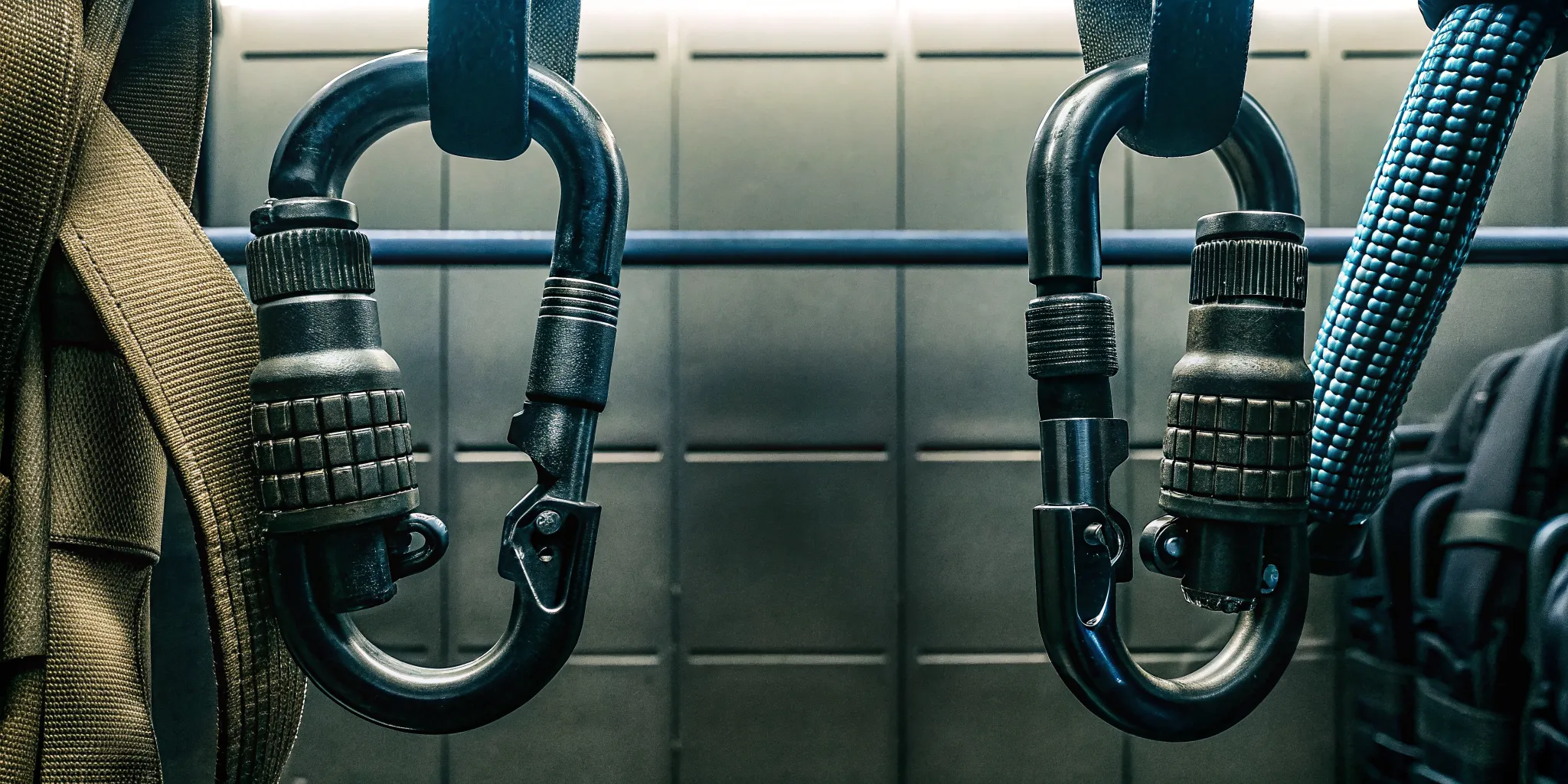
How Does a Screw Gate Carabiner Compare to Auto-Lock and Triple Lock Designs?
A screw gate carabiner uses a manual threaded sleeve that the operator turns to lock the gate closed. It offers full user control with few moving parts, making it reliable in dirty or icy environments. However, it requires two hands to operate and is prone to vibration-induced loosening, which limits its use in helo and vehicle-mounted applications compared to auto-lock or triple-lock designs.
The screw gate design is a core part of a mission-ready tactical carabiner kit. It uses a manual sleeve that the user threads over the gate. This system gives a clear way to see and feel if the gate is shut. Since the design has few moving parts, it is a top choice for rigging. It works well in slow-paced jobs where safety checks happen often.
Mechanical Function and User Control
A screw gate carabiner needs the user to thread a sleeve over the gate to lock it. This manual task gives the user full control over the lock. It works well in dirt or mud that might jam a spring. But this system depends on the person using it. If a user forgets to turn the sleeve, the gate stays open. For controlled environments like training facilities or fixed anchor rigging, the Tahoe XL Steel Screw Lock Carabiner offers a CE EN 362-certified option rated at 60kN on its major axis.
Safety rules stress the need for gate strength. For instance, OSHA rules say that gate strength must hold 3,600 pounds for fall safety. The screw lock provides a firm stop that helps meet these needs. It is also a great tool for gear that does not need fast, one-hand use.
High-Strength Steel and Aluminum Options
Fusion Tactical has many screw lock tools for different missions. The Tahoe XL Steel Screw Lock Carabiner is a tough choice. It is CE EN 362 certified and holds up to 60kN on its main axis. This makes it a good fit for big rigging jobs. For light work, the Vapor III Aluminum Screw Lock Carabiner has a D-shape to keep loads in the center. These tools meet the need for high-strength tactical carabiner hardware in the field.
The metal used will change how the tool handles wear. Steel gear like the Tahoe XL or the Ovatti Steel Oval Screw Gate is best for long-term use. Aluminum gear like the Supreme II Aluminum Screw Gate Carabiner is light and works well with pulleys. All gear needs regular checks. Study shows that corrosion can impact safety and strength over time, mainly in wet or salty air.
Operational Limits and Best Practices
While strong, the screw gate has some limits. It often needs two hands to lock or unlock. In fast work, an auto-locking gate may be safer. Also, screw gates can shake loose in a truck or plane. Users must check their gear often to make sure the sleeves stay tight. For mission profiles where vibration is a concern, the military-grade hardware collection emphasizes triple-lock and auto-lock designs for this reason.
To stay safe, users should clean the threads often. Mud or ice can make it hard to turn the lock. If the threads look worn, the gear should be swapped for new tools. Picking the right tool for the job ensures that gear failure is not an option. Fusion Tactical makes this gear in our Chino, California plant.
Triple Lock Carabiners: Maximum Redundancy for Critical Missions
A triple lock carabiner requires three deliberate actions to open: slide the sleeve, twist the sleeve, and pull the gate. This multi-step safety system eliminates accidental gate opening from snagging or vibration, making it the preferred choice for helo operations, vehicle-mounted rigging, and any high-shake environment where equipment failure is not an option.
A triple lock design offers the highest level of safety for any tactical carabiner used in life-safety systems. While standard auto-lock gates rely on a two-step process, triple-locking hardware adds a third layer of safety against opening by mistake. This design is built for settings where gear failure is not an option and the risk of a gate snag is high. For experts in defense and tactical rescue, these links provide the peace of mind needed when working at height or in rough spots.
The Three-Step Safety System
The main benefit of a triple-locking gate is the set of moves needed to open the part. These carabiners do not open with a simple push or twist. Instead, the user must perform three clear acts: slide the sleeve, twist the sleeve, and then pull the gate open. This complex path ensures that the gate stays shut even if it rubs against ropes or gear. By requiring three steps, the system almost removes the chance of the gate opening by mistake during a task. This extra safety makes it a vital tool for the most high-risk missions.
Many of these systems follow strict rules to ensure they work under load. For example, the ANSI Z359.12-2009 rule sets high bars for gate strength in safety systems. This level of care is key for teams who must move through brush or climb in tight areas where a gate might catch. A triple lock gate stays closed until the user makes the choice to open it. This makes it a top choice for rigging where a secure lock is more key than one-handed speed. Fusion Tactical ensures all its hardware meets these high needs for the field.
Performance in High-Shaking Settings
Triple lock carabiners are the best tool for tasks with a lot of shaking, such as helo or vehicle work. In these areas, the constant move and shaking can cause screw gates to back off and unlock. While a screw gate works well in calm spots, it needs frequent checks to stay tight. An auto-locking triple lock gate takes away this worry by snapping back into its locked state every time it shuts. It gives a firm, steady lock that stands up to shaking without the need for manual work. This helps keep the user safe during long flights or fast ground moves.
This extra security also helps stop gate flutter. Gate flutter happens when a sudden hit or shake causes the gate to open for a split second, which can make the gear weak. The three-step sleeve helps damp these forces and keeps the gate seated firmly against the nose. Experts who work near rotors or on moving platforms often prefer this type of high-strength tactical carabiner hardware to ensure their links do not fail. Using a triple lock means your gear stays ready even in the most shaky and loud areas.
Rated Gear for Mission Success
Fusion Tactical makes several triple-locking parts designed for many task needs. The Eureka XL Aluminum Triple Lock Carabiner is a light but strong choice. It helps users who need to keep gear weight low without losing safety. For those who need the most strength, the Tacoma series offers steel parts that can handle huge forces. The Tacoma Steel 50KN Triple Lock Carabiner is built to hold 50kN of force. This makes it a great fit for the hardest rescue and rigging tasks where a heavy load is expected. For program managers evaluating specs, the certifications and compliance page provides full details on Berry Amendment, TAA, and ISO 9001:2015 qualifications.
The company also shows its skill with gear like the Tacoma Steel 60KN Triple Lock Carabiner. While this model is a high-demand item that shows our top power, it has the same build quality found in all our gear. All Fusion hardware is made in the U.S. at our plant in Chino, California. This ensures it meets Berry Amendment and TAA rules for buys. By picking rated, American-made gear, you can be sure you have the right tools for any key task. Our gear is built to last and keep you safe when the mission is on the line.
Aluminum vs Steel: Material Selection for Tactical Carabiner Mission Requirements
Aluminum carabiners (typically 7075 alloy) offer lighter weight for carry-intensive missions at 24-30kN rated strength, while forged steel carabiners deliver 50-60kN for heavy rigging with better edge resistance. The choice depends on whether mission priorities favor weight reduction or maximum load capacity and durability in fixed or vehicle-mounted applications.
Picking the right mission-ready tactical carabiner means choosing between weight and toughness. Teams must decide if they need the light weight of aluminum or the high strength of steel. Aluminum parts, like the 7075 alloy in the Fusion Primo, are light and strong. These work best for gear that people carry. But steel tools are often better for heavy work and high wear because they last longer and resist scrapes, as shown by Helix Operations. The engineering and testing page documents how Fusion Tactical validates material performance under load.
Performance Trade-offs in Field Use
Aluminum tactical carabiners make gear easier to carry during long missions or flight work. While these tools are strong enough for most safety tasks, they can wear down faster when they rub against steel cables or rough ground. Over time, corrosion of connectors can make fall safety gear less safe. Steel carabiners are much heavier, but they work better for long-term rigging. They stay strong even when they touch sharp edges or hard surfaces.
Material Specs and Load Ratings
The choice of metal also sets the top load limit for the gear. Aluminum tools like the Eureka XL Triple Lock offer solid safety for rescue needs. In contrast, heavy steel tools like the Tacoma Steel 50KN or the Tahoe XL Steel Screw Lock are built for huge loads. The Tahoe XL meets CE EN 362 standards and can hold up under great force. For tasks that need high-strength tactical carabiner hardware, steel is the top choice for fixed hooks.
| Material | Weight | Strength (kN) | Rust Resistance | Cost (Est.) | Best Use |
|---|---|---|---|---|---|
| 7075 Aluminum | Light (e.g., Eureka) | 24kN - 30kN | Great (Anodized) | $17 - $60 | Body kits, flight ops |
| Forged Steel | Heavy (0.56 lb+) | 50kN - 60kN | Fair (Zinc/Chrome) | $24 - $35 | Heavy rigging, anchors |
Rust and Weather Factors
The weather also changes which metal you should pick. Coated aluminum resists water and salt well. This makes it a good choice for use near the sea. Steel gear needs more care to check for rust, mainly if the outer coating gets a chip. Teams must plan for these checks to keep the gate strength of every hook up to code. Checking your gear often keeps it safe for its whole life in the field.
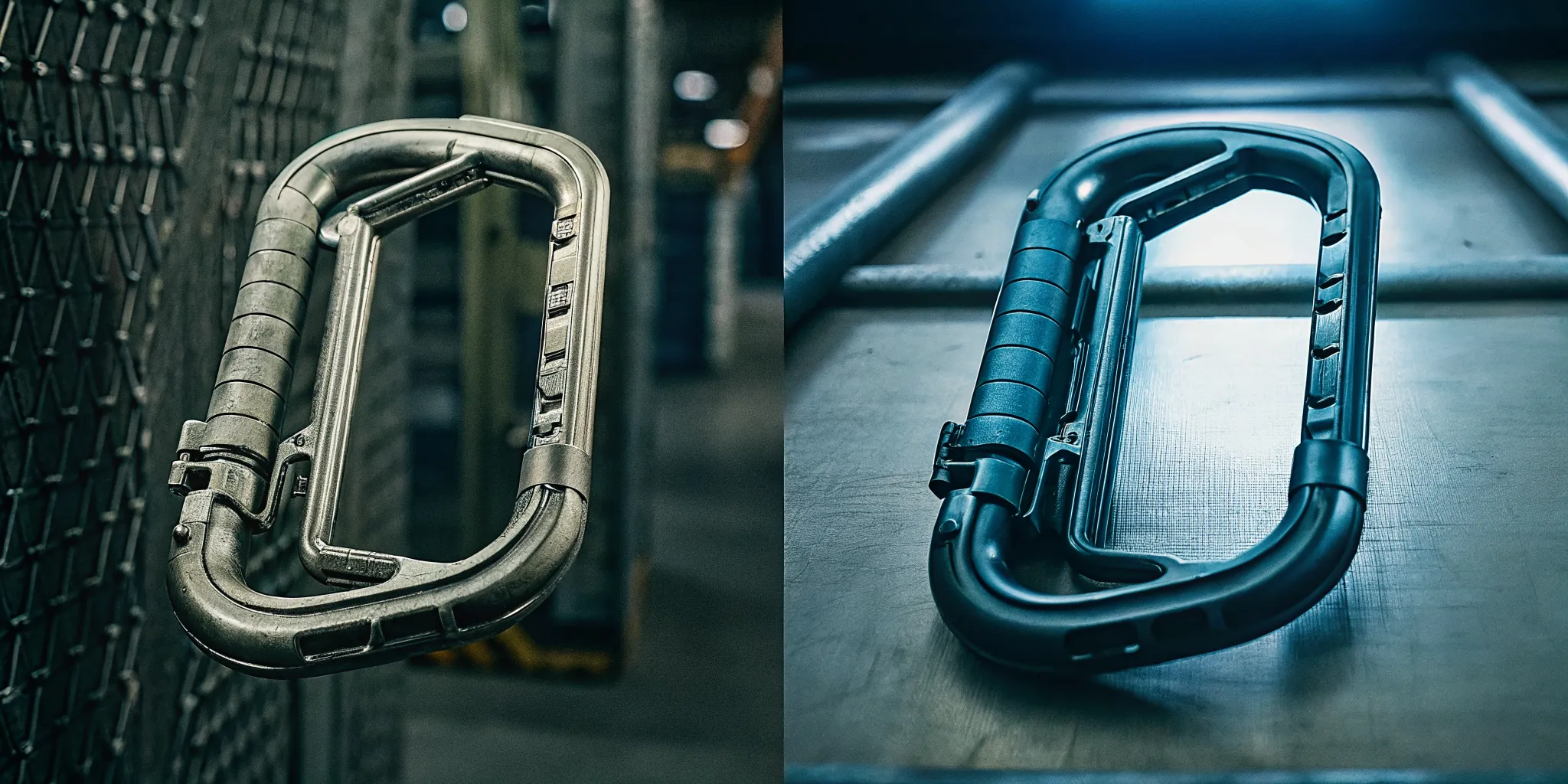
What KN Ratings and Compliance Standards Apply to Tactical Carabiners?
KN load ratings measure the force a carabiner can withstand, with major axis ratings ranging from 24kN (aluminum) to 60kN (steel). ANSI Z359.12-2019 requires gates to hold 3,600 pounds from any direction, while CE EN 362 and MIL-SPEC standards govern European and military applications. Berry Amendment and TAA compliance are required for U.S. government procurement.
Every tactical carabiner used in mission-critical rigging or rescue must meet strict load ratings. These ratings are measured in kilonewtons (kN). One kN is about 225 pounds of force. Operators must know how these tools perform under stress to ensure safety in the field. Gear that lacks clear load markings should never be used for life-safety tasks.
Primary and Secondary Axis Strength
The major axis is the strongest part of the frame. For example, the Tahoe XL Steel Screw Lock provides 60kN of strength along its major axis. Strength drops when the load shifts to the minor axis. The Tahoe XL is rated at 16kN on the minor axis. This shows how much weaker the frame becomes when loaded sideways. The open gate position is the weakest state. It provides only 7kN of strength for this steel model.
Rigging errors that cause cross-loading can lead to sudden failure. High-strength steel models are often preferred for rescue work. They keep a high safety margin even when the load is not perfectly aligned. Aluminum models are lighter but may offer lower peak ratings. You must always check the laser-etched markings on the frame before you start a lift or descent. The fire and rescue collection highlights models that balance strength and weight for emergency response teams.
ANSI and OSHA Compliance Standards
Fall protection gear in the United States must meet OSHA gate strength rules. Standards like ANSI Z359.12-2019 require the gate to hold a load of 3,600 pounds from any direction. This rule helps prevent the gate from breaking if it hits an edge. The goal is to keep the gate closed so the tool stays in its strongest major-axis position.
OSHA rules also state the gate must not move more than 0.125 inches from the nose when under load. This small gap ensures the structural integrity of the link is not lost during a fall. Meeting these standards is a core part of the ISO 9001:2015 quality systems used in our Chino, California plant. These marks give procurement officers the proof they need for government and defense contracts.
International and Military Specifications
In addition to ANSI, many tactical units look for the CE EN 362 mark. This is a European standard for gear used to protect against falls. It ensures the tool has passed tests for strength and gate function. It also checks for resistance to corrosion. Fusion Tactical products often meet both ANSI and CE marks to support a wide range of mission types across different regions and agencies.
For military buyers, Berry Amendment and TAA compliance are often needed. We build our hardware in the U.S. to meet these rules. This local focus allows us to maintain tight control over material quality and testing. Our products are built to survive harsh use in defense and aerospace roles. Procurement officers can review our government and defense contracting services page for full compliance documentation and ordering channels. You can contact us for full spec sheets or government pricing details on our rated hardware.
Mission-Specific Selection: Matching Gate Design to Operational Requirements
Gate design selection depends on mission speed requirements and environmental conditions: auto-lock for fast one-handed operations, triple-lock for high-vibration environments like helo and vehicle work, and screw gate for controlled low-vibration settings where cost and simplicity are priorities.
Selecting the right gate design for a tactical carabiner is a key safety choice. Buyers must match the lock type to the mission to stop gear failure. High-risk roles like tactical rescue and helo work often use an auto-locking system. These tools allow for quick, one-hand use when speed is vital. An auto-lock gate uses a spring sleeve to lock as soon as the gate closes. This helps stop user error in fast missions.
Helo Work and Vibration Risks
In spots with high vibration, like a helicopter or a truck rack, a basic screw gate may fail. Shaking can cause the sleeve to back off and leave the lock open. For these needs, a triple-lock gate is the best choice. As shown in technical gear guides, triple-lock tools need three moves to open: slide, twist, and then press. This design offers top safety against opening by chance in rough air or fast moves. The high-strength tactical carabiner hardware in these tools gives the security needed for life-safety rigs.
Safety Rules and Industry Marks
Rules from groups like OSHA set the floor for gear. For fall safety, OSHA says gate strength must hold at least 3,600 lbs of load in all ways to keep people safe (OSHA, 2017). Fusion Tactical makes sure its gear meets or beats these marks. This includes ANSI Z359.12-2019 rules for fall arrest gear. Using a mission-ready tactical carabiner that follows these rules is a must for any defense buy. For procurement teams building a full equipment package, the law enforcement collection offers pre-vetted hardware bundles that meet mission requirements out of the box.
Screw Gates in Slow Settings
Manual screw gate tools still have a place in slow settings where cost matters. A screw gate needs the user to turn a sleeve by hand to lock it. This tool works well for plant rigging where two-hand use is easy. While they are simple, users must be sure to lock them every time. For tactical teams, however, the move to auto-lock or triple-lock parts helps remove the risk of a loose gate during a mission.
Tactical Carabiner Maintenance and Inspection Protocols
Tactical carabiners require regular inspection for thread wear, corrosion, gate spring function, and laser-etched load marking legibility. Cleaning threads after exposure to mud, salt, or debris and replacing units with worn parts or compromised gate function are essential for maintaining rated strength in life-safety applications.
High-stakes work needs gear that works every time. A mission-ready tactical carabiner must be part of a strict care plan. This plan must cover set checks and care tasks to keep the gear safe. Regular inspection helps find small problems before they become big ones. For defense and rescue teams, a broken carabiner is not just a cost issue. It is a mission and life safety risk.
Daily Visual Inspection Routine
Before every use, look at the carabiner body. Check for cracks, deep scrapes, or rust spots. Look at the gate for straightness and full close. The gate spring must push the gate shut on its own. A weak spring means the part should be taken out of service right away. These checks take seconds and can prevent gear failure.
Gate and Thread Maintenance
For screw gate models, the threads must be clean and smooth. Dirt, mud, or salt buildup can stop the sleeve from turning all the way. This can make the gate stay open under load. Use fresh water to clean off salt after sea-based work. For auto-lock and triple-lock parts, test the lock twice to make sure the sleeve snaps into place.
Gate flutter is a risk that can be found during these checks. If the gate moves when you tap the side of the carabiner, the lock may need service. Lubrication of moving parts should follow the maker's guide. Fusion Tactical recommends using a dry lube to avoid dirt buildup on the lock system. The professional manufacturing page details our quality control and testing processes behind every carabiner we produce.
Replacement Schedule and Record Keeping
All life-safety gear has a service life. Record the date of first use for every carabiner. Replace gear after a hard fall or if it takes a hit on a hard surface. If parts show deep wear, they must be swapped. Never use a carabiner past its safe life. Keep a log of checks and swap dates for each piece of gear.
Fusion Tactical provides laser-etched markings on all our hardware. These markings show the load ratings and part numbers for easy tracking. This helps teams keep good records for audits and safety checks. Our gear is designed for long service in tough conditions. But no carabiner lasts forever. Consistent checks keep your team safe and your gear ready for the next mission.


