

Tactical Safety Technology for Future Operations
Reliable tactical safety technology must evolve as robotics and artificial intelligence become standard tools for tactical units. Hardware alone is insufficient for mission assurance in dynamic operating environments; future systems integrate rugged manufacturing, advanced sensors, and disciplined human oversight.
Tactical safety technology refers to the integration of advanced hardware with intelligent systems to protect personnel in high-risk environments. This field now includes artificial intelligence, robotics, and autonomous mobility platforms designed to reduce human exposure to hazards. These technologies improve mission efficiency by automating dangerous tasks and providing real-world hazard management. According to a study on tactical autonomy, artificial intelligence and machine learning are essential for building safe and robust systems for defense use. Modern safety gear must also meet strict compliance standards like the Berry Amendment and ISO 9001:2015 to ensure reliability. By combining rugged load-bearing equipment with digital innovation, tactical safety technology provides a comprehensive approach to operator protection. This integration ensures that equipment can withstand extreme stress while providing data needed for informed decision-making during critical operations.
What is tactical safety technology?
Tactical safety technology is an integrated architecture designed to protect personnel performing high-risk work. Rather than treating equipment as isolated components, it combines load-bearing hardware, retention systems, sensors, communications, and decision-support tools within a defined operational framework. For a professional manufacturing team, that framework also requires traceable production and compliance with applicable procurement requirements such as the Berry Amendment.
Physical and digital safety tools
Modern safety systems connect physical equipment with operational data. Harnesses, lanyards, and load-bearing assemblies must maintain structural performance under specified loads, while sensors and data links can extend situational awareness. This system-of-systems approach helps leaders monitor personnel status and operating conditions in real time. For example, tactical autonomy uses artificial intelligence to improve risk recognition and system performance within defined limits.
Data from these tools helps with quick choices in the field. High-risk work often puts people near loud sounds or harsh heat. In training, noise can go over 150 decibels, which is why advanced hearing tech is a key part of the safety stack. When hardware and software work as one, the gear does more than just shield the user. It helps them perform better under stress.
Procurement and compliance needs
Acquiring these systems requires documented attention to quality, sourcing, and applicable law. Procurement teams evaluate U.S. manufacturing, material traceability, contract requirements, and evidence of performance. This is why Berry compliant gear is critical for applicable government contracts. Quality management certifications such as ISO 9001:2015 provide evidence that a manufacturer follows controlled, repeatable processes.
Safety technology must also accommodate defined mission requirements without compromising validated performance. Manufacturers use custom engineering and testing to develop equipment for specific use cases. Procurement teams should assess both manufacturing controls and technical integration before selecting an operator-protection system.
How can AI improve tactical safety without replacing human judgment?
Modern tactical safety technology uses AI-enabled decision support to help teams evaluate conditions in high-risk environments. These systems do not replace command authority. Instead, they process time-sensitive data and identify patterns that personnel might not detect immediately. Effective implementation pairs validated technology with trained operators and explicit rules of engagement.
Reliable outputs depend on accurate, representative, and protected data. Procurement and program teams must assess data quality, cybersecurity, system limits, and failure modes before fielding an AI-enabled system. Secure architecture and accountable human oversight are both essential to mission assurance.
Fast risk recognition and sensor fusion
AI tools can evaluate large data sets in real time to identify potential threats and give teams additional response time. Networked sensors can monitor heat, sound, movement, and other defined inputs simultaneously. This process, known as sensor fusion, consolidates multiple inputs into a more complete operating picture.
Research shows that tactical autonomy using AI and machine learning can make defense systems much safer. By finding risks early, these tools give people more time to act and stay safe. These systems help the brain process more facts without feeling too much stress. This keeps the unit focused on the task at hand and ready for any change.
Predictive maintenance for mission gear
Condition-monitoring tools can support inspection and lifecycle management for load-bearing equipment. When supported by validated data, these systems can identify potential degradation before it contributes to a fall event or mission failure. They complement, rather than replace, prescribed inspection and retirement criteria.
Fusion Tactical's custom engineering and testing team develops hardware for demanding air and ground applications. Equipment condition records can help program managers document service life, schedule inspections, and remove components from service according to established criteria.
Maintaining human authority and security
The main goal of AI in the field is to help a person, not to rule them. A trained operator must always be the one to make the final choice. Smart tech gives the facts, but a human knows the goal of the mission. Using clear rules helps to manage AI hazards in the workplace or field. This keeps safety high and makes sure the tech does what it should.
Also, these tools can keep a record of every choice made. This record is helpful for reviews after a mission is over. It shows what went well and what did not so the team can grow. Trust in the tech comes from knowing it is safe and can do its job. A system must be hard for a foe to hack or stop. By keeping systems secure, we ensure that AI remains a tool to help the human lead.
Robotics can move risk away from personnel
Modern robotics change how teams manage hazards in the field. Remotely operated systems allow personnel to maintain standoff distance while machines enter hazardous areas. This shift is a key part of the future of tactical safety technology. It reduces personnel exposure to hostile fire, hazardous substances, and structurally compromised environments while preserving human command authority.
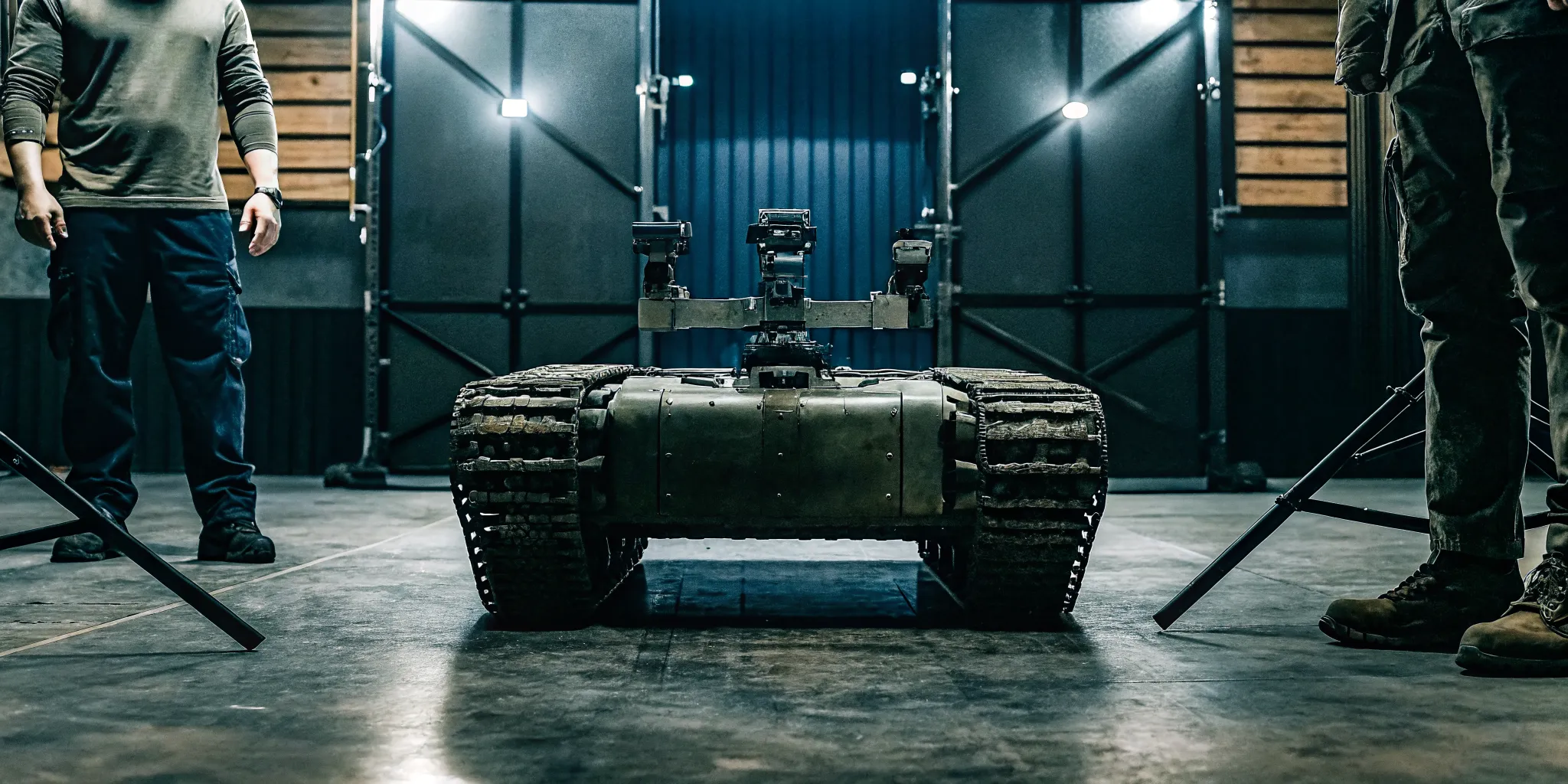
Robotic systems are not just for scouting. They can handle heavy gear and move tools across areas where a person might trip or fall. By taking on these heavy loads, robots help prevent strain and fatigue. This allows teams to focus on their main mission while staying fresh and alert. A tired person is more likely to make a mistake, but a robot keeps its pace without rest.
Reducing human exposure in risky zones
Robots can take on tasks that used to require a person to be in high-risk areas. For example, scouting drones and ground robots can check a room for threats before a team enters. These machines also handle heavy loads and move supplies across rough ground. Using robots for these jobs reduces the chance of injury from accidents or traps. It allows the team to gather data without being in the line of sight.
Research shows that robot technologies have the power to create safe systems in defense. They can reach spots that are too small or too risky for a human to enter. This keeps the mission moving forward without putting lives at risk from unseen dangers. Robots can also stay in place for long hours to watch a site, which prevents team fatigue. They act as a safe set of eyes that can see in the dark or through smoke.
Beyond scouting, robots are useful for supply handling in zones where fire or chemicals are present. They can move risky waste or clear debris that might be shaky. This prevents workers from breathing in dust or touching harmful things. By moving the risk to the machine, the team stays safe and healthy. This method is a standard part of modern safety plans in factory and defense settings.
Managing robotics failure and recovery
Even the best tools can fail in the field when conditions get tough. A robot might lose its signal or hit a wall that stops its progress. Teams must plan for these failure states to keep the mission safe at all times. A lost robot should not become a new threat to the team or the mission. Designing for recovery helps ensure that a broken machine can be pulled back or reset quickly without risk.
Safety plans must also cover what happens when a robot stops talking to its base. Good design includes ways to guide robots back to safety if they lose their connection. The handling of AI hazards ensures that machines do not cause new risks to the people around them. It allows teams to trust their gear even when the signal is weak or the ground is rough.
Recovery is not just about fixed machines. It is about how the team picks up the task if the robot stops working. Every mission needs a backup plan that accounts for a robot being offline. This might include using another robot or changing the path of the team. By planning for these moments, the team stays in control of the scene. They ensure that technology remains a help and not a burden.
Robots and tactical safety hardware
Robots do not work alone in most field missions. They must work with the gear that people already use, such as harnesses and lanyards. For example, a robot might carry the heavy base of a safety system while a person handles the light parts. This team effort makes the whole group more strong at their job. It allows teams to move fast while keeping their safety high.
As these tools grow, they must follow clear safety rules that protect the user. Good design focuses on how the machine helps the person, not how it replaces them. This balance is what makes a mission both safe and strong in high-risk zones. It ensures that the human remains the brain of the operation while the robot handles the risk. Proper training helps the team use these tools as a smooth part of their kit.
What makes an autonomous mobility platform safe?
Autonomous ground and aerial tools are changing how tactical teams work. These systems use AI and machine learning to do jobs that are too risky for people. By moving robots into high-risk areas, teams can keep their members away from direct harm. This advanced tactical safety technology helps units move gear and scout paths without risk to human life. But for these tools to work, they must be built with strict safety rules.Operational design and hazard control
A safe robot tool must have a clear operational design domain (ODD). This is a set of rules that tells the system where and when it can run. For example, a ground robot might work well on flat dirt but fail in deep mud. Safety depends on the system knowing its own limits. If the robot enters a zone it cannot handle, it must enter a degraded mode. In this mode, the tool slows down or stops to prevent a crash. Managing AI risks in the field is a big task for defense teams. Research from NIOSH shows that teams need clear plans to handle AI hazards in high-risk zones. These plans help the machine stay on track and keep people nearby safe. Systems also need strong cybersecurity to block hacks that could cause a crash or a bad move.Human control and emergency systems
Even with smart AI, a person must always be able to take charge. This link between the person and the machine is the human-machine interface (HMI). A good HMI gives the user clear facts on what the robot is doing. If something goes wrong, the user needs a way to hit an emergency stop. This kill switch cuts power or locks the brakes to prevent a strike. Building trust is a key part of tactical autonomy. Users need to know why a system makes a certain move. If the robot's logic is a secret, the team may not trust it in a fight. Safe tools use explainable AI so that their actions make sense to the people they support. This trust ensures that the team can rely on the robot when every second counts.Payload restraint and recovery interfaces
Safety depends on physical hardware as well as software. When a robotic platform carries a payload, the load must be secured through a defined and appropriately rated restraint system. Payload restraint limits movement during rapid turns and traversal of steep grades; uncontrolled load shifts can destabilize a platform or reduce traction.
This is why Fusion Tactical uses ISO 9001:2015 certified processes to build better rigs. The system must also have strong retention and recovery points. These are the spots where a person or another machine can grab the robot if it gets stuck. These hooks and loops must be rated for high loads. Using the future of tactical safety technology, firms can build rigs that are easy to tow. This ensures that a broken robot does not block a path or slow down a mission.A procurement framework for evaluating tactical safety technology
Buying new advanced tactical safety technology needs a strict plan. You must check how the gear works in real missions. A clear path helps you find tools that are both safe and compliant. This framework guides you from the first need to the final use.
Define technical needs
Start by listing what the mission needs. You should look at the risks your team faces in the field. This includes noise, falls, and cyber threats. Good planning makes sure the gear meets ISO 9001:2015 engineering standards for safety and quality. This process keeps teams safe in high-risk zones.
Map safety standards
Each tool must match current rules. You need to check for MIL-STD and ANSI compliance. For AI tools, you should follow NIOSH strategies to manage hazards in the workplace. This step ensures the tech helps people without adding new risks. It also keeps your agency in line with federal safety laws.
- List requirements: Note every task the gear must do and the environments it will face in the field.
- Identify hazards: Find any risks the new tech might bring to the user or the mission goals.
- Verify load paths: Check how the gear holds weight and if it fits with your current mission hardware.
- Review test evidence: Ask for lab data and third-party proof that the gear works as the maker claims.
- Trial in the field: Put the gear through real-world tests with the teams who will use it every day.
- Check data rules: Verify how the tool handles data and if it meets all cyber safety laws.
- Plan for care: Set up a schedule for checks and updates to keep the gear in top shape.
Verify performance and fit
The final step is to test the gear in the field. You must see how it works with other future tactical safety technology systems. This trial shows if the tool is truly ready for high-risk use. Rapid prototyping can help refine these tools before full use.
From individual equipment to an integrated safety architecture
Old ways of buying gear focus on one item at a time. A team might buy a belt from one place and a lanyard from another. But modern safety needs a better plan. An integrated safety architecture connects every part of your kit. This shift is how new tactical safety technology works today. It stops gear from being just a list of items. Instead, it makes your tools work as one unit to keep you safe.
Moving beyond simple gear checks
Buying gear one piece at a time can lead to gaps in safety. Parts from different brands may not fit or work well together. A unified system uses custom engineering to ensure every part is a match. This method tests how a harness and a lanyard work as a pair under a heavy load. It moves the focus from a single clip to the whole system. This is vital when missions push gear to the limit.
New systems now use tactical safety technology to track gear health. Some kits use sensors to show if a part has taken too much stress. This data helps leaders know when to swap out old gear. It also makes sure your team stays within the liability protections set by federal laws. A smart system gives you a clear path to follow during high-risk tasks.
Managing risk with smart systems
Modern safety plans use artificial intelligence to find hazards before they cause harm. These systems can map out risks in real-time. For example, they can track noise levels or find safe paths through a building. This tech removes much of the guesswork from a mission. It lets you focus on the job while the system watches for danger.
The table below shows how a full system beats buying items one by one. It looks at how each path handles risk and long-term care.
| Criteria | Single-Tool Buying | Integrated Architecture |
|---|---|---|
| Evaluation scope | One item at a time. | Whole-mission safety. |
| Evidence | Single part tests. | System-wide load data. |
| Integration risk | High chance of fit issues. | Parts built to match. |
| Degraded modes | Manual checks only. | Sensors flag failures. |
| Maintenance | Hard to track all parts. | Unified health logs. |
| Accountability | Split across many brands. | Single source of truth. |
Choosing the right system for your team
A unified system makes it easier to follow safety rules. You can find gear that meets NIOSH guidelines for high-risk work more easily. When all parts come from one source, you know they meet the same high bar. This is why many teams now look for advanced tactical safety technology that is built in the U.S. These systems often come with better tech support and clear data logs.
Choosing a full plan also helps with the buying process. It is simpler to buy a system that is Berry Amendment compliant than to check every small part. This saves time and ensures your team has the best tools. A good safety plan grows with your needs. It lets you add new tools like robotics or AI as they become ready for the field.
Why manufacturing discipline matters as technology advances
As tactical safety technology grows more complex, the way we build it must stay strict. New tools like AI and robots need a solid base. This starts with how we make the gear. For mission-critical safety systems, there is no room for error. Every part must be tracked. Every change must be logged. This is why manufacturing discipline is so needed now. It makes sure that the tech we add does not hurt the safety of the gear.
U.S. manufacturing and the supply chain
Making gear in the U.S. helps keep the supply chain safe. It ensures that the tools used by tactical pros are strong. Many buyers look for Berry Amendment gear to meet strict rules. These rules say that most parts must be made in the U.S. This keeps the work close to home. It also makes it easier to watch over every step. A short supply chain cuts the risk of bad parts.
Trade rules like the Trade Agreements Act (TAA) also play a big role. These rules help buyers get the right gear from trusted sources. Using these rules helps avoid parts from unknown places. This is very needed for gear that must work every time. When safety is the goal, where a product comes from matters just as much as what it does.
Maintaining quality through configuration control
Configuration control is a key part of good manufacturing. It means every small change to a design is checked and saved. This is vital when adding new tech to old gear. For example, adding sensors to a harness changes how it works. Engineers must test how these changes affect safety. Fusion Tactical uses professional manufacturing skills to track every build. This ensures that the final product is both safe and legal.
Proper record-keeping is not just about rules. It is about trust. Users need to know their gear will not fail. Holding ISO 9001:2015 certification shows a deep promise to high standards. This level of care is needed to manage the risks of new tech. It keeps the focus on the mission and the person using the gear. Strong control over the build process leads to gear that lasts and works well.
Prototyping for mission success
Rapid prototyping lets teams test new ideas fast. This is very helpful for gear made for a specific mission. Tech moves quick, so the build process must move quick too. But speed cannot come at the cost of safety. High-stakes testing is still needed to find any weak spots. The SAFETY Act provides formal rules to test and certify new tools. These rules help ensure that safety systems work in real-world settings.
By using fast prototyping, makers can find flaws early in the design. This leads to better tools for those in the field. It also helps meet the unique needs of every mission. Building for the future means using new tech without losing old skills. Discipline in the shop leads to safety in the field. This balance is what keeps tactical teams safe as their tools change.
Frequently Asked Questions
How do autonomous mobility platforms reduce personnel risk?
These tools improve safety by taking the place of people in unsafe zones. They can carry out jobs where the risk is high, such as scout work or moving gear through combat areas. By using these systems, teams can keep people away from harm. Based on Fusion Tactical, these tools help protect staff by taking them out of contact with many hazards. This tech is a key part of future mission success.
What are the common hazards of AI in tactical settings?
Using AI in the field brings new risks like poor trust and a lack of clear logic. If a system makes a choice but cannot explain why, users may not trust it. There are also fears about data safety and hacking. The National Institutes of Health notes that trust and clear logic are major hurdles for robotic systems. Finding ways to manage these hazards is vital as these tools grow more common in high-risk work.
Does tactical safety technology protect against noise exposure?
Yes, hearing safety is a major part of this tech. Many tactical pros face noise levels over 150 decibels during live fire drills. This level is far above safe limits and can cause quick hearing loss. Advanced gear and headsets help block these loud sounds while still letting users hear talk and quiet cues. The CDC suggests using dual hearing safety and noise controls to lower risk in these loud spots.
How does U.S. manufacturing impact tactical safety standards?
Gear made in the U.S. often meets very strict rules like the Berry Amendment and TAA. These laws help ensure that items for the government are made with top parts and fair labor. Using local shops also allows for fast testing and custom work. Fusion Tactical notes that being Berry compliant helps them serve defense and law enforcement teams with gear that meets high standards. This ensures that the gear is solid for critical missions.
Ready to advance your tactical safety gear?
Tactical safety gear moves fast, and the cost of staying with old tools is far too high. If you do not adopt AI and robotics now, your unit can fall behind and face more risks. Starting your buying process today ensures that your team has the best gear before a crisis starts. Our team can help you with custom testing to fit these new systems into your current gear. Acting now also makes sure you meet all Berry Amendment and TAA rules for your gear. Taking action today protects your future missions and keeps your unit in the lead at all times.
Ready to upgrade your tactical safety gear? Call (909) 393-9450 to contact Fusion Tactical USA for procurement, custom manufacturing, or mission-specific equipment support.


