

Fall Protection Rescue Equipment Price: What Drives Program Cost
When buyers search for fall protection rescue equipment price, they are usually trying to budget a workable capability, not just compare individual items. The total depends on the task, the people and structures involved, the system configuration, the evidence needed for acceptance, and the support required after delivery. A useful estimate begins with a defined operational scenario and a clear boundary between equipment purchase and the wider program.
Request a mission-specific quote
What does a program price include?
A rescue system may combine personal equipment, rated anchors and connectors, rope or other system components, storage, documentation, training coordination, installation or integration, and inspection arrangements. These elements do not always come from one purchase order. Some programs procure equipment for an existing, engineered system; others need design input to connect equipment to a platform, vehicle, facility, or operating procedure.
Separate the estimate into at least three scopes. First is the equipment package: the specified devices, compatible accessories, and required quantities. Second is implementation: engineering review, adaptation, installation, integration, and acceptance activities where applicable. Third is lifecycle support: inspection, replacement planning, configuration records, and any recurring services the organization chooses or must provide. This separation helps buyers compare offers that otherwise appear to have different totals simply because they include different work.
Do not treat a catalog item price as a full program estimate. Nor should a broad estimate be treated as an approved procurement amount. A mission-specific quote requires enough information to establish what is being supplied and what is outside the supplier’s scope.
Which requirements shape the configuration?
The starting point is the work and rescue scenario. Identify where personnel operate, what movement or access is required, where a person could be exposed to a fall, and what rescue actions are expected. Describe the work position, access route, likely casualty location, available rescuers, and the path by which a person would be reached and moved. Include environmental and operational constraints that influence equipment selection, such as limited clearance, contamination controls, or the need to work around installed systems.
Then define the system boundary. A package may cover only personal equipment, or it may include anchors, connecting elements, rope-based components, a rescue interface, and fixed installation points. A supplier cannot price an interface responsibly when the mating structure or equipment is unknown. Give dimensions, drawings, photographs, existing asset information, and any applicable design constraints when available. Identify what has already been engineered and what still needs review.
Quantity also affects the configuration. Buyers should distinguish between equipment for each user, shared team equipment, spares, and items staged at more than one location. A small number of complete kits can have a different cost profile from a larger, standardized deployment. The right comparison is not simply unit price multiplied by quantity. It is the cost of a package that supports the operating plan, with a documented rationale for quantities and spares.
Keep the intended use explicit. A component approved or selected for one configuration should not be assumed suitable for every other task. Changes to users, attachment points, rescue path, or loads can affect system compatibility and the evidence required. If the operating concept is still changing, ask for assumptions and exclusions to be stated in the quote so the team can identify which decisions could change the scope.
How do rated anchors and connectors affect cost?
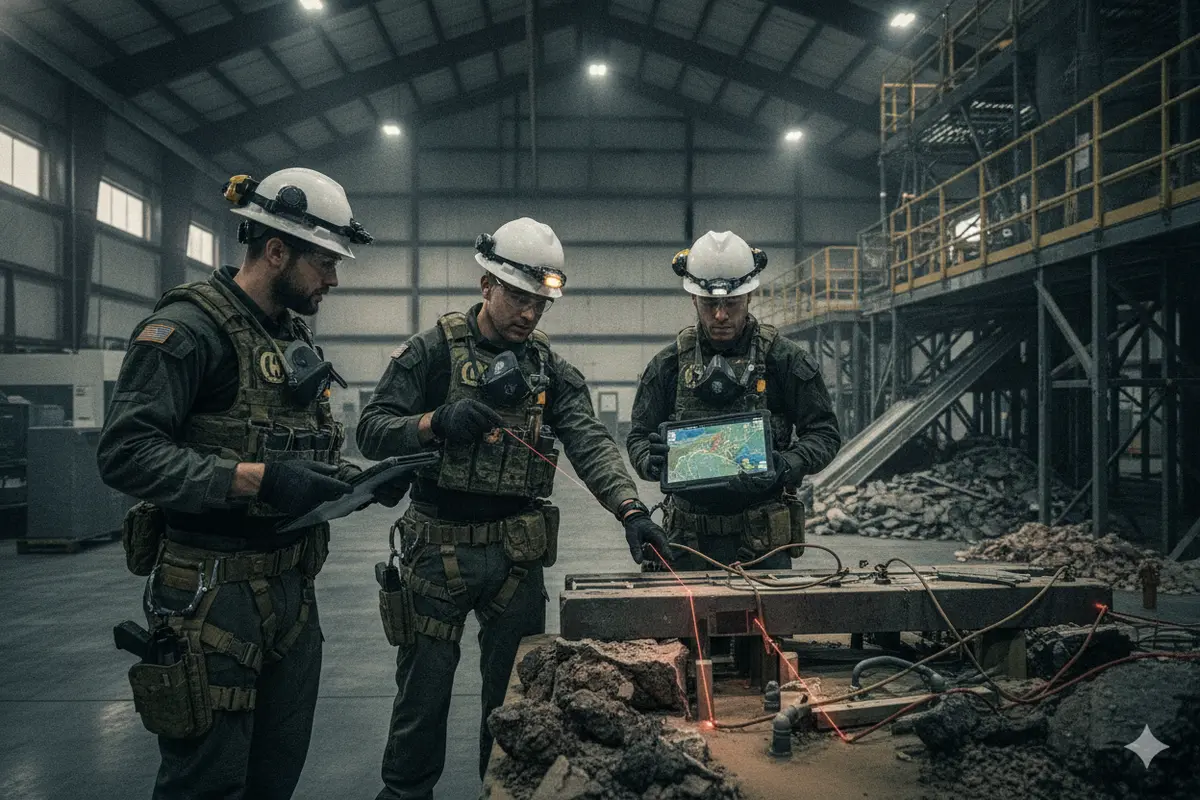
Anchors and connectors are not interchangeable commodities. Their selection depends on the intended configuration, the attachment interface, the applicable design requirements, and the way loads are managed in the system. The required rating alone does not establish compatibility. Buyers need to know which component connects to which, in what orientation, and under what use conditions. An interface review can reveal whether additional hardware, an adapter, a different attachment method, or an engineering decision is needed.
Ask the design or procurement team to specify the evidence required for each load-bearing component. Depending on the application, relevant information can include identification, rated capacity in the stated units, technical documentation, test records, material or construction details, and traceability. Do not infer performance from appearance, a product name, or a rating stated without its test basis and scope. The engineering authority for the system should determine how component data applies to the assembled configuration.
Some deployments use existing structural attachment points. Others require new anchors, adapters, or integration with a platform. In the second case, the work can include site information, design review, installation planning, acceptance checks, and coordination with the owner of the structure. A quote should say whether these tasks are included, excluded, or dependent on a separate party. If the project needs a custom interface, discuss it early rather than assuming a standard connector will solve it.
Connector count and type also matter. Each added interface may introduce compatibility questions, inspection points, handling requirements, or a need to control orientation. An equipment list should show the intended connection sequence and identify any components that are user-selected or supplied by another organization. This is especially important when equipment from multiple sources is brought together.
Why do rescue planning and system integration matter?
Rescue capability is more than equipment in storage. It must fit a defined response: who initiates the plan, who is expected to perform each task, what access is available, what system is used, and how the person is brought to a place where care can continue. The plan affects the equipment package because reach, access, clearance, team size, and the route of movement may call for different components or arrangements.
During procurement, distinguish between equipment supply and rescue-plan development. A vendor quote may cover products and technical consultation without including a site-specific rescue assessment, procedure writing, training, or deployment exercise. If those services are needed, identify them as separate scope items and confirm who is responsible. Avoid assuming that a list of products by itself validates the organization’s rescue method.
Integration creates further cost variables. Existing procedures, radios, protective equipment, fixed infrastructure, vehicle or aircraft interfaces, and local approval processes may constrain the design. Integration could require drawings, measurements, fit checks, coordination meetings, prototypes, or review cycles. The extent depends on what is already known and how much change is needed. When a project is custom, provide a single point of contact for technical decisions and agree on how design revisions will be documented.
Fusion Tactical describes engineering and manufacturing capabilities for custom solutions. Buyers with a defined application can use the professional manufacturing information to start a discussion about scope, design, and production needs. A conversation is not a substitute for the buyer’s engineering approval or site-specific safety review.
What testing evidence should procurement request?
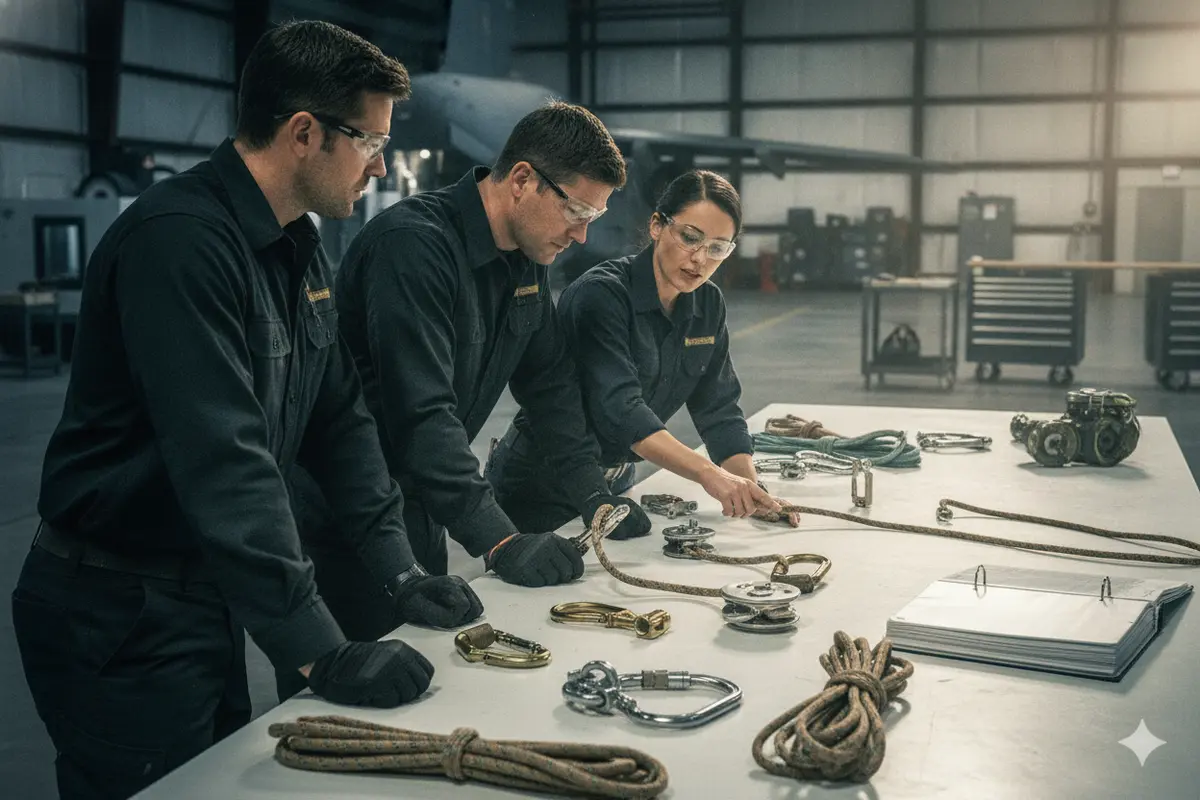
Testing and documentation can be significant parts of a defensible purchase. The right evidence depends on the specification, the item, the system boundary, and the acceptance criteria. Ask for documents that identify the exact product or configuration covered, the applicable requirements, test conditions, results, and any limitations. If the quoted package includes a custom configuration, establish whether the records apply to the complete assembly, individual components, or both.
Do not request a generic certificate and assume it answers every question. A useful evidence package lets reviewers connect the supplied item to the requirement and determine whether the test scope is relevant. The request may include product identification, revision or configuration details, inspection criteria, material records, test reports, and instructions for use or care, as applicable. Procurement should state which documents are deliverables and when they are due.
Clarify acceptance before award. For example, specify who reviews documents, how deviations are raised, what constitutes a complete delivery, and whether a physical inspection or fit check is expected. If a third party, facility owner, or government customer must approve the system, include that review in the schedule and identify the information they will need. Unclear acceptance can lead to additional work after equipment arrives.
For regulatory context, buyers can consult the official U.S. Occupational Safety and Health Administration website and identify the requirements that apply to their workplace and task. Applicability depends on the operation and jurisdiction. The buyer should confirm the governing requirements with its safety and engineering authorities rather than treating a general reference as a design approval.
When does installation or integration add scope?
Installation enters the estimate when the package includes fixed equipment, structural attachment, or changes to an existing system. The work may require site surveys, measurements, access planning, coordination with facility personnel, installation labor, commissioning, and records. Some projects have no installation component because the buyer is acquiring portable equipment for an existing approved arrangement. Others cannot be priced accurately until a site and interface review is complete.
State whether the quoted price covers delivery only, installation, or installation plus acceptance. Ask who provides access, prepares the work area, verifies the supporting structure, and approves the completed arrangement. Define responsibilities for permits and coordination if they apply. The quote should also identify assumptions such as site readiness, working hours, travel, or the availability of drawings. These are not universal charges; they are scope questions to resolve for the specific project.
Integration can be technical even when nothing is permanently installed. A new component may need to fit existing equipment, use a specified attachment point, or operate within a tightly constrained process. Buyers should provide interface drawings and existing equipment identifiers, while suppliers should identify unanswered questions. A fit check or prototype can reduce uncertainty, but it should have a stated purpose, schedule, and acceptance method.
Fusion Tactical’s custom solutions page is a relevant starting point when the requirement is not met by a standard configuration. Share the task, known interfaces, performance requirements, documentation expectations, and delivery constraints. The more specific the inputs, the easier it is to distinguish product supply from engineering or integration work.
How should inspection and lifecycle support be budgeted?
Initial purchase is only one point in the life of a system. Organizations need a process for equipment identification, inspection, recordkeeping, storage, issue, and removal from service when required. The content and frequency of inspection should follow the applicable instructions, requirements, and organizational program. Do not invent an inspection interval from a general guide or rely on a calendar alone when the equipment condition and history also matter.
Ask what inspection instructions and product records come with the equipment. Determine who will conduct routine checks, how findings will be documented, who can decide whether an item remains in service, and how the organization will retain traceability. If external inspection or service is part of the plan, confirm its scope and availability rather than assuming it is included with the initial purchase.
Lifecycle cost also depends on storage and deployment. Equipment kept at multiple locations may need separate inventories, labeling, transport cases, or training coordination. Frequently deployed systems can need more robust tracking and replacement planning than a package held for occasional use. These choices are organizational and operational; a supplier can price defined deliverables but cannot know the buyer’s actual use rate without information from the buyer.
Consider the cost of configuration control. If the system changes, records should make clear which configuration was approved, which equipment was supplied, and what has been inspected or replaced. This is particularly useful when components have different revisions or when the system includes custom interfaces. Include documentation updates and change review in the scope if they are required.
How can teams separate known costs from uncertainty?
Not every element of a rescue-equipment project is equally defined at the start. Some requirements may be fixed, such as the number of operating locations or an existing equipment interface. Other decisions may depend on engineering review, site information, or approval of a rescue method. Mark each requirement as confirmed, pending, or outside the current scope. This distinction helps a buyer understand why one portion of an estimate can be firm while another remains conditional.
Ask the supplier to identify what information would resolve each open item. A missing interface dimension may require a drawing or measurement; an uncertain installation scope may require a site survey; a documentation question may require the buyer to provide a specification or acceptance checklist. Agree on who supplies each input and when it is needed. This keeps the estimate connected to specific decisions rather than a general contingency with no clear basis.
For custom work, identify design review points before committing to later stages. A concept review can establish the intended arrangement, while a configuration review can confirm component selection and documentation needs. If a prototype or fit check is proposed, state what it is intended to verify and what constitutes an acceptable result. Agree how revisions are captured and whether a change affects schedule, deliverables, or price. The details are project-specific, but making them explicit improves comparison.
Buyers can also distinguish a technical uncertainty from a commercial option. A technical uncertainty needs more information or approval before the system is finalized. A commercial option is a clearly described additional item or service the buyer may choose. Keeping these separate makes it easier to prioritize decisions and prevents optional work from being mistaken for a required element of the base configuration.
How can buyers compare quotes fairly?
Use a common request package for each supplier. Describe the task and system boundary, list required quantities, identify known interfaces, define evidence and acceptance needs, and state what support is requested. Ask suppliers to identify assumptions, exclusions, substitutions, lead-time dependencies, and any buyer-furnished information. Then compare like with like rather than selecting the lowest line-item total without understanding scope.
| Cost area | Questions for the request | What a comparable response should state |
|---|---|---|
| Equipment configuration | Which users, tasks, quantities, and operating locations are covered? | Itemized components, quantities, compatibility assumptions, and exclusions |
| Anchors and connectors | Which attachment points and interfaces are known, and who approves them? | Specified components, ratings and documentation requested, plus unresolved interface needs |
| Rescue planning | Is the scope product supply only, or does it include planning or procedure support? | Defined deliverables, responsible parties, and clear limits of the work |
| Testing and evidence | What records and acceptance reviews are required? | Named documents, configuration covered, review process, and delivery timing |
| Installation or integration | Is a site visit, installation, prototype, or fit check required? | Included work, buyer responsibilities, assumptions, and acceptance steps |
| Inspection and support | What records, instructions, or follow-on services are requested? | Included documentation and clearly separated optional or recurring support |
Ask suppliers to separate one-time costs from recurring or optional services, when those are offered. Request a description of what changes would trigger a revised quote, such as a changed quantity, interface, requirement, or test scope. If a bid includes an allowance or assumption, ask what information would convert it into a firm scope. A clear response is more useful than false precision.
For product research, use links that match the actual scope rather than treating a broad category as a complete solution. Fusion Tactical’s fire and rescue equipment collection, hardware collection, and descender collection can help identify relevant product areas. A listed item still needs to be evaluated against the buyer’s requirements and approved configuration.
What information makes a quote more useful?
Before requesting a quote, assemble a short requirements brief. It does not need to settle every engineering question. It should give suppliers enough context to identify missing inputs and return a scoped response. Include the operating scenario, intended users, number of systems, location, known structures or equipment interfaces, schedule, and required deliverables. Attach drawings or photographs only when authorized and appropriate for the procurement.
- Task and operating context: Describe access, work position, anticipated rescue action, and operating constraints.
- System boundary: Identify what the buyer expects the supplier to provide and what already exists.
- Quantities and locations: Separate individual, team, spare, and location-based requirements.
- Technical inputs: Provide known attachment details, dimensions, required ratings, and governing specifications.
- Evidence and acceptance: List records, inspections, reviews, or fit checks needed before acceptance.
- Implementation: State whether installation, integration, custom design, or prototype work is being considered.
- Support expectations: Identify required instructions, traceability, inspection information, or lifecycle services.
Label unresolved details instead of guessing. A supplier can then separate confirmed pricing from assumptions and identify which technical decisions must be made by the buyer. This approach helps avoid an estimate that appears precise but omits essential interfaces or acceptance work.
What should procurement check before award?
Review the offer against the requirement line by line. Confirm that products, quantities, configuration, documentation, and delivery scope match the request. Check whether substitutions are proposed and whether they require technical approval. Verify that the quoted configuration is the same one described in test or compliance records, where applicable. Record any open questions, deviations, and decisions in the procurement file.
Confirm responsibilities across the team. Procurement may own commercial terms; engineering may approve interfaces and technical evidence; safety personnel may review the operating plan; the site owner may control installation; and end users may evaluate fit and procedures. The exact roles depend on the organization. Assigning an owner to each decision prevents a supplier response from being treated as approval by the wrong authority.
Also review schedule and change control. Ask what inputs are required before production or design work begins, how proposed changes are handled, and what milestones trigger buyer review. If custom work is involved, document the agreed configuration and how final records will identify it. This creates a clear path from requirements through delivery and acceptance without implying that one generic package suits every mission.
How does a buyer request mission-specific pricing?
Share the requirements brief and ask for a quote that separates equipment, engineering or integration, testing evidence, installation, and lifecycle support as appropriate. Request written assumptions and exclusions, and identify the person who can answer technical questions. If the system is not fully defined, ask for a preliminary consultation that identifies missing inputs and the next decisions needed, rather than asking for a firm price based on incomplete information.
Fusion Tactical’s company information provides background on the manufacturer, while the contact page is the route for initiating a project discussion. Send only information permitted for the procurement and avoid transmitting sensitive operational details through an unapproved channel.
Discuss your equipment requirements
Frequently asked questions
Can a supplier quote the system from a product list alone?
A list can support an initial product estimate, but it may not establish compatibility, installation needs, rescue planning, or required acceptance evidence. Provide the operating scenario and known interfaces, then ask the supplier to state assumptions and exclusions.
Should anchor and connector prices be compared as standalone items?
Standalone prices can be useful for a defined bill of materials. They do not show whether the parts work together in the intended configuration. Compare the specified equipment, documentation, and interface assumptions as a system, with technical approval from the responsible authority.
Does a quote include testing or installation automatically?
No. The quote should state whether testing evidence, site review, installation, integration, or acceptance activities are included. If an item is not stated, ask for clarification before award rather than assuming it is part of the total.
How should lifecycle support be priced?
First define the support required, such as instructions, records, inspection information, service, or configuration updates. Ask the supplier to separate included deliverables from optional or recurring services. The organization should also plan its own inventory, inspection, and replacement processes.
The most useful fall protection rescue equipment price is tied to a defined scope, documented assumptions, and an approved system configuration. A practical requirements brief lets procurement compare complete responses and identify where engineering review is still needed.


