

ANSI Z359 Harness Standards for Tactical Teams
Selecting a rated harness for high-risk operations requires more than checking a weight limit. Failure at height often results from equipment that does not meet modern safety codes. Fusion Tactical USA engineers tactical hardware to ensure operator retention in the most demanding environments.
An ANSI Z359 harness is a full body system that meets strict North American codes for design, testing, and performance to protect tactical and rescue teams from falls. These standards, such as ANSI/ASSP Z359.11-2021, ensure that gear can handle high forces while keeping the operator upright and distributing weight across the body to prevent serious injury. For government buyers, this compliance is vital because it proves the gear has passed tests for strength and reliability while ensuring operator retention in the tactical field. Choosing a compliant system provides your team with reliable tools that work in high-risk spots while meeting all federal rules for safety and performance in the field today.
What does an ANSI Z359 harness standard cover?
An ANSI Z359 harness standard is a set of rules for gear used to stop falls. The main code, ANSI/ASSP Z359.11-2021, sets the bar for full body harnesses. It lists how to make, test, and mark gear for high-risk jobs. This code is part of the larger Fall Protection Code that rules safety in North America. It helps ensure that workers have gear they can trust when working at heights.The ANSI/ASSP Z359.11-2021 code
This code focuses on how a harness is built and how it acts during a fall. It requires a harness to spread the shock of a fall over the thighs, chest, and shoulders. By doing this, the gear prevents deep harm to the spine and inner organs. The rules also define how the gear must be tested in a lab before it is sold. These tests check if the straps and buckles are strong enough for real-world use. Clear labels and guides are other key parts of the code. Every harness must have tags that show it meets the rules. These tags help users know the weight limits and the right way to wear the gear. The code also orders that firms give clear training to their teams. This ensures that every person knows how to use gear that meets ANSI Z359 safety standards.Expert rules vs OSHA laws
It is vital to tell the gap between a code and a law. ANSI codes are expert rules. They show the best way to handle safety. But OSHA section 1910.140 sets the law for fall safety in the US. While you do not have to follow ANSI by law, OSHA often uses these codes to set their own rules. Most firms follow ANSI to ensure they meet or beat what the law asks for. Buying teams look for the ANSI mark when choosing new gear. It shows that the maker took the time to test the gear to a high mark. For government work, this is even more vital. Buying teams must check that the gear follows all legal and safety codes. Following these rules helps lower the risk of harm and legal issues on the job site. It is a smart way to protect both the worker and the firm.Checking the whole system
A harness is only as good as the rest of the fall plan. You must also check the anchor points and the lines used to tie off. The Z359 rules look at how all these parts work as one unit. If one part fails, the whole plan may not work. Teams should look at the full set of gear to ensure every piece is rated for the job. This includes checking lanyards, hooks, and secure points of tie-off. At Fusion Tactical USA, we focus on building mission-critical systems. Our shop offers Berry Amendment compliant gear that meets U.S. government needs. We use ISO 9001:2015 rules to build and test our hardware in California. This gives our users a high level of trust in their gear. Whether for tactical use or rescue work, our gear is built to hold up in the most high-risk spots.Core ANSI/ASSP Z359.11 requirements procurement teams should verify
Procurement teams must check that every ANSI Z359 harness meets the Z359.11-2021 safety rules. This part of the code sets the bar for how a full body harness should be built. It also covers how the gear must work in the field. By checking these details, you can be sure the gear will keep your team safe in high-risk areas. These rules ensure that each piece of gear is ready for mission-critical use.
Force spread and user weight limits
A key part of the ANSI/ASSP Z359.11-2021 standard is how it moves fall forces. A safe harness must spread these forces across the thighs, pelvis, waist, chest, and shoulders. This move helps to stop internal harm during a sudden fall. OSHA rules also require this kind of force spread for all fall safety gear. It is a vital feature that keeps the user from taking too much force in one spot.
The standard also sets a user weight range that you must check. When you buy a harness, you must find out if it fits the weight of your workers. This weight must include all the tools and gear they carry. Most gear is tested for an exact range of use. If a worker is too heavy or too light, the harness may not work as it should. This could lead to a failure in a real fall event. Procurement teams should always check these limits before they buy.
Labels and gear tracking
Every ANSI Z359 harness must have clear labels that stay on for a long time. These markings tell the user about the weight limit and how to use the gear. According to ANSI Z359 safety standards, these labels must name the maker and the date it was made. They also give facts on the size and the model of the unit. This data helps the user know they have the right gear for the job.
Tracking is also a big part of the safety needs for any pro team. You should be able to track each harness back to the day it was built. This makes it easy to find gear if there is ever a recall or a safety check. A maker with an ISO 9001:2015 seal often has the best records for these needs. Good tracking helps you manage your gear over its whole life on the job. It ensures that every unit in the field is up to date and safe.
Work tests and federal rules
The ANSI/ASSP Z359.11-2021 standard covers strict test ways to prove the gear is safe. These tests check both static and dynamic strength. A static test pulls on the harness with a steady force to see if it holds. A dynamic test drops a weight to act like a real fall. These tests make sure the harness can handle the stress of a sudden stop without breaking. They are a must for any gear used in tactical or rescue roles.
Procurement for federal contracts adds more rules that you must check. You should find gear that meets the Berry Amendment and TAA needs. This means the gear is made in the U.S. or other approved lands. A maker that knows these rules can help you meet federal contracting needs. This is vital for teams that work with the DoD or other government groups. Always check that the gear meets both safety and legal needs.
ANSI Z359, OSHA, and mission requirements are not interchangeable
Selecting the right gear for high-risk work starts with knowing how safety rules differ. Many users believe that an ANSI Z359 safety standards label means a tool is ready for any task. But ANSI, OSHA, and tactical mission needs serve distinct roles in the field. ANSI sets the build quality and test methods while OSHA sets the legal rules for use in a workplace. Neither of these covers the unique load needs of a tactical or rescue team where rapid movement and hardware speed are as vital as fall safety. In these roles, the gear must do more than just stop a fall. It must also support the user through long hours and tough moves.
Safety rules vs build codes
The ANSI/ASSP Z359.1-2024 Fall Protection Code defines how a harness must perform under load. It covers the design, marking, and testing of full body systems to ensure they work when a fall occurs. On the other hand, OSHA 1910.140 is a federal rule that tells employers how to protect their staff. A tool might meet the OSHA rules without being ANSI rated. For teams in defense or rescue, following only the legal floor is often not enough to stay safe in the field. They need gear that can take the stress of a real-world fight or rescue.
Fusion Tactical USA uses engineering and prototyping services to bridge the gap between these rules. We build gear that meets the ANSI/ASSP Z359.11-2021 test requirements while adding the features tactical units need. This includes better hardware for rapid use and lighter webbing for long missions. By using ISO 9001:2015 certified U.S. manufacturing, we ensure that every stitch meets both the build code and the mission goal. This gives units the peace of mind they need to focus on the task at hand.
| Criteria | ANSI Z359.11 | OSHA 1910.140 | Mission Needs |
|---|---|---|---|
| Role | Build and test code | Federal workplace law | Operational success |
| Focus | Safety gear performance | Legal use and care | Speed and weight |
| Authority | Industry standard | Government agency | Unit requirements |
| Hardware | Fixed test points | Basic safety hooks | Rapid-use buckles |
| Testing | Rigid lab methods | Performance goals | Field environment |
System fit and field use
A harness is only as strong as its weakest link. ANSI/ASSP Z359.11-2021 allows for specialized functions like rescue or travel restraint. However, these tools must work with the rest of your system to be safe. Users must check that their lanyards, hooks, and anchor points all meet the same high bar. In tactical roles, a mismatch in gear can lead to gear failure or lost time. Our team focuses on system fit to make sure every part of your kit works together as a whole. This is vital when every second counts in a high-stakes moment.
Documentation is a key part of staying safe. Each compliance with ANSI Z359 regulations requires clear marks and user guides. This help teams train for the real world. At Fusion Tactical, we provide the full data units need to make a smart buy. From kN load ratings to TAA compliance, we give you the facts to back up your gear choice. This helps you meet your goal without cutting corners on safety. We also offer help to find the right fit for your specific unit needs.
How do tactical and rescue missions change harness selection?
Tactical and rescue missions put a lot of stress on gear. These roles need tools that move with the user in the field. A plain ANSI Z359 harness gives you a safe base, but field work needs more. Users look for a mix of low weight and high strength. They need gear that supports fast moves and quick rescue. Picking the right system means looking at how it works in the real world.
Gear for fast moving missions
Harnesses for tactical use must not block a person's path. Users often carry heavy tools and kits. A big, bulky harness can snag on gear or slow a team down. New designs use slim pads and flat buckles to keep a low profile. These parts help teams move through tight spots like doors or aircraft.
Where you put the rings and buckles is key for a successful job. Most fall systems use just one back ring. Rescue teams often need front or side rings for rappelling or lifting. These rings must be rated to handle very high loads. Using compliance with ANSI Z359 regulations ensures these points can take the force of a fall.
When every second counts, the weight of the hardware matters. Heavy steel rings can add pounds to a kit. Modern tactical systems use light alloys that stay strong but weigh less. This helps the user stay fresh during long days in the field. It also makes it easier to climb or run when the mission gets fast.
Meeting federal gear rules
Federal buyers must check for more than just a safety mark. Many contracts need gear made in the U.S. to meet the Berry Amendment. This law means the cloth and the work must come from home. Fusion Tactical USA follows these rules to support military teams. They also use TAA parts for broad government use.
Rules like OSHA 1910.140 set the base for how gear should work. These rules make sure that forces during a fall stay within safe limits. A good ANSI Z359 harness uses straps to spread out these forces. It moves the shock to the legs, waist, and chest. This helps to stop harm to the spine or organs. ISO 9001:2015 certification also shows that the engineering meets strict marks for quality.
Safety in tough spots
Harsh settings can weaken gear over time. Sand, salt, and heat can hurt the nylon straps. Rescue teams working in tough spots need gear that lasts a long time. This means using webbing that resists wear and hardware that does not rust. Regular checks and care are needed to keep the system safe.
How the harness works with other gear is another big point. A harness must fit well with vests and belts. If the harness is too thick, it won't fit under body armor. If it is too thin, it may not support the weight of a full kit. Testing these systems in the lab ensures they meet the needs of the modern user.
Special training also guides how a harness is used. A rescue job might mean a person hangs in a harness for a long time. This can lead to health risks like blood pooling in the legs. High-end harnesses use leg straps that help blood flow while a user waits for help. These small choices in design make a big change when a mission gets hard. Rated hardware and rapid prototypes let teams get the exact tools they need for each job.
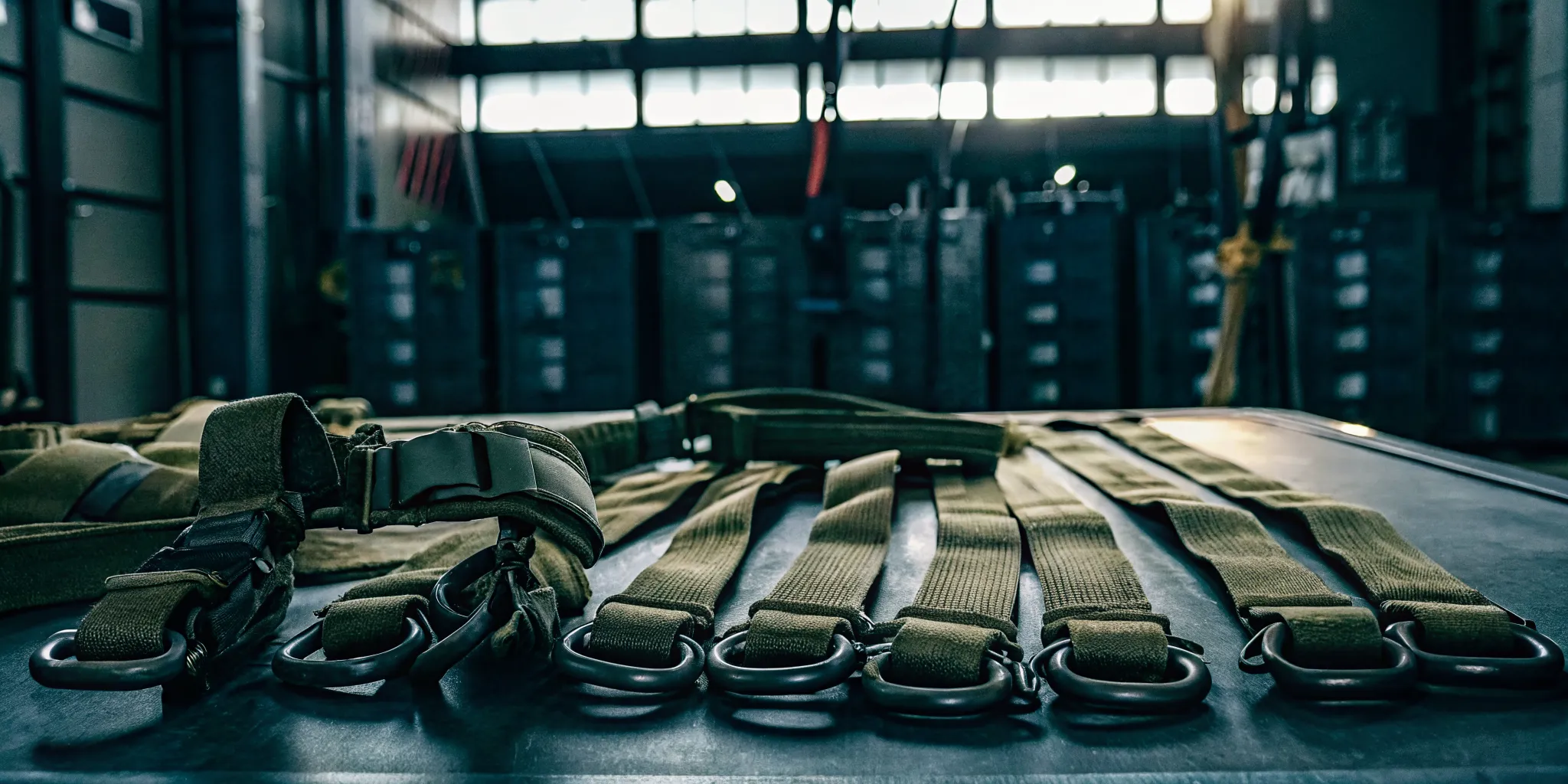
How should a procurement team verify an ANSI Z359 harness?
Procurement teams must follow a clear path when they buy gear for high-risk work. Buying an ANSI Z359 harness is not just about the price or the brand. You must make sure the gear meets the ANSI/ASSP Z359.11-2021 safety rules. This helps you protect workers from falls and keeps your unit in line with federal law. A good check ensures that every piece of gear will work when lives are on the line.
Know your safety needs
First, you must define the exact job the gear will do. Not every harness works for every task. Some are for fall arrest, while others help with travel restraint or rescue. You should look for gear that offers the right load ratings for your team. High-risk jobs in defense or aerospace need mission-critical tools that do not fail. Using the wrong gear can lead to grave harm or even death in the field.
You also need to check the hardware on the harness. Rated hardware like D-rings and buckles must handle high forces. These parts should spread the weight across the body to stop harm inside the body. Good engineering ensures that the harness stays secure during a sudden stop. This is vital for units with unique mission needs that need fast tools.
Steps to check your gear
Once you know your needs, you can start the check. You should ask for proof from the maker that the gear meets all standards. This keeps your team safe and helps you avoid bad gear. Follow these steps to check your next buy:
- Check the code. Look for the ANSI Z359 label on the gear. This shows the maker followed the right safety rules for fall protection.
- Check the source. For federal contracts, check if the gear is Berry Amendment compliant. This ensures the gear is made in the U.S. using local parts.
- Review the test data. Ask for the test results from the maker. The gear must pass strict tests for strength and use in the heat or cold.
- Inspect the fit. A harness must fit the person using it to work well. Check the size range and weight capacity of the gear before you buy.
- Look for ISO marks. Makers with ISO 9001:2015 marks show they have strong quality control. This means the gear is made the same way every time.
- Plan for care. Check the guide for how to clean and store the gear. You also need to know when to retire the harness due to wear and tear.
Planning for field use
Buying the gear is just the first step. You also need to plan for how the team will use it in the field. Every user should get training on how to put on the harness. This is needed by OSHA 1910.140 rules. If the gear is not worn right, it will not protect the worker during a fall. Frequent training keeps the team sharp and safe.
Finally, you should set a schedule for gear checks. Each harness needs a look-over before every use. Look for frayed webbing, rust on the metal, or loose threads. If you find any damage, pull the gear from use right away. Keeping good records of these checks is a key part of your safety plan. This active step helps you manage your gear and protects your unit for the long haul.
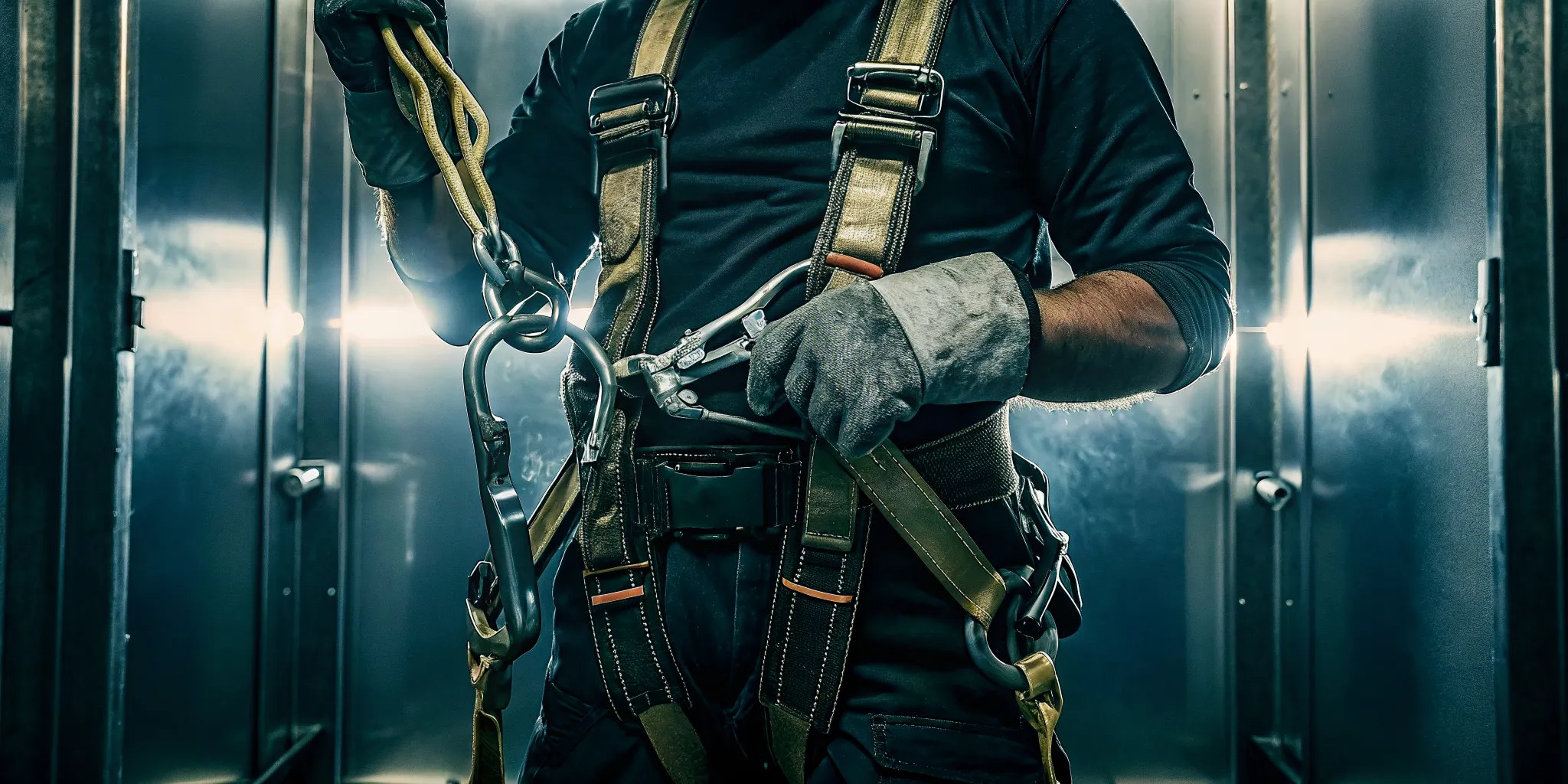
Compliance continues after the harness is delivered
Buying a top-grade harness is only the start of your safety plan. To keep your team safe, you must manage the gear for its whole life. This means you need clear rules for how people use, check, and store their gear. A top-tier ANSI Z359 safety standards harness only works if it is in good shape and worn the right way.Keep gear ready with training and fit
Every user needs to know how to fit their ANSI Z359 harness before they head into the field. A loose harness can cause big harm during a fall. Straps must be snug but allow full movement. You should teach your team to check the fit of the chest strap and leg loops every time they put the gear on. Training is not a one-time task. It is a part of your daily mission. Workers must know how to spot wear and tear on their gear. They also need to know the specific limits of their gear. When people know their gear, they are more likely to use it right. This reduces the risk of mishaps in high-stress zones.Daily checks and yearly formal reviews
Safety rules from OSHA section 1910.140 say you must check your fall gear before each use. This pre-use check is a quick but vital look at the webbing, stitching, and metal parts. You are looking for cuts, frays, or burns in the straps. You also need to make sure all buckles and D-rings work smooth and lock tight. Beyond daily looks, you must have a formal check at least once a year. A person with the right training must do this deep check. They will look for hidden damage that a quick check might miss. They must write down what they find in a log. This log proves that your gear is still safe to use and meets all legal rules.Care, storage, and retirement rules
How you treat your gear when it is not in use matters just as much as how you use it. Dirt, oil, and sun can weaken the webbing over time. You should clean your harness with mild soap and water. Never use harsh soaps that could eat away at the fibers. After cleaning, let the gear air dry away from direct heat or sun. Store your gear in a cool, dry place. Hanging it up keeps the straps from getting kinked or crushed. You must also have a clear plan for when to stop using a harness. If a harness stops a fall, you must pull it from use right away. Even if it looks fine, the hidden stress can make it unsafe. Most makers also set a max life for gear, often five to ten years. Following these dates is a key part of staying safe.When should teams involve a harness manufacturer?
Buying standard gear is often the first step for many teams. But off-the-shelf items do not always fit the unique needs of a mission. Teams should talk to a maker when their work needs more than basic fall safety. This is vital when gear must work with specific tools or platforms. Direct contact helps ensure that every piece of hardware meets the task. It also helps teams find the right balance between safety and ease of use.
Designing for mission needs
Custom needs often arise when an operator must move in tight spaces. Standard gear may be too bulky or lack the right tie-in points for unique tools. A maker can help by building a harness that fits the specific load and role. This includes choosing the right webbing and rated hardware for the job. Working directly with a shop allows for better design control over time. It also ensures that the gear stays the same across different orders for your unit.
Teams also need custom builds when they use high-end mobility platforms. A generic harness might not link well with helo lanyards or rescue systems. By talking to the maker, you can ensure the system works as one unit. This lowers the risk of snagging or gear failure during a flight. It also gives operators the trust they need to perform in high-risk zones. Custom design can turn a complex problem into a simple, solid tool.
Managing safety compliance
Safety rules for fall safety are very strict. An ANSI Z359 harness must pass specific tests to be safe for use. You should involve a maker if you need to prove your gear meets these high bars. They can provide the records and test data needed for safety checks. These reports show that the gear can handle the loads expected in the field.
Many firms must follow federal safety laws to keep workers safe. Per OSHA safety rules, a body harness must spread fall forces across the chest, waist, and thighs. A maker ensures that the design follows these laws through every step of the build. This focus on detail protects the user from injury during a fall. It also protects the firm from legal risks or safety fines.
Rapid prototyping for procurement
Government buyers often face tight deadlines for new gear. They also must meet laws like the Berry Amendment for federal contracts. You should talk to a U.S. shop when you need Berry Amendment compliant gear for a project. They can offer quick prototyping to test new design ideas fast. This helps teams find the best fit before they buy in large lots. It also makes sure the gear follows all sourcing rules from the start.
Working with a U.S. maker also helps with supply chain speed. A local shop can change and ship new versions in days, not weeks. This speed is vital when a mission profile changes at the last minute. It allows for a more agile way to build gear. You can get the exact hardware you need without waiting on a slow overseas factory. This direct link between the user and the maker builds better gear fast.
Talking to a maker early saves time and lowers risk for the team. It allows teams to focus on the mission while experts handle the complex hardware. If you have a safety or link-up need, the right partner can build the fix. Reach out to talk about your project and start the custom design today.
Frequently Asked Questions
What is the ANSI Z359.11 harness standard?
The ANSI blog states that this rule sets safety needs for a full body harness. It covers how these items are made and tested to stop falls. The goal is to keep workers safe when they work high up. It makes sure that the gear can take the force of a fall without breaking. This helps teams follow the law and stay safe.
How often should I check an ANSI Z359 harness?
Safety rules from ANSI say you must check your harness before every use. You should look for wear, cuts, or bad parts on the straps. A trained person also needs to do a formal check at least once a year. Keeping a log of these checks helps you stay safe. It also makes sure the gear is ready for risky work at any time.
What parts make up an ANSI Z359 harness?
A rated harness uses straps that go around the chest, shoulders, waist, and legs. This design helps spread the force of a fall across the whole body. OSHA rules state that this helps stop serious harm to the spine or gut. It must also have a back point to hook into a fall arrest line. This keeps the user in a safe spot.
Why do I need an ANSI Z359 rated harness?
These items are needed to protect teams from harm during a fall. OSHA section 1910.140 sets clear rules for how to use this gear. Using rated gear ensures that the straps can stop a fall without snapping. It also makes sure the shock to the user is low enough to avoid harm. This is vital for rescue and tactical teams working in risky spots.
Ready for the ANSI Z359 gear your tactical team needs?
Using gear that does not meet safety rules puts your team at risk of harm and leads to high legal costs or failed safety checks. You can avoid these risks and keep your work on track by starting your order for mission-critical gear right now to get the safety needed. Fusion Tactical USA can support custom engineering, procurement planning, and mission-specific equipment requirements.


