

CAGE Code Tactical Equipment: Government Contracting Guide for Defense Suppliers
Federal procurement officers cannot buy mission-critical tactical hardware from suppliers that lack verified compliance records. In high-risk sectors, administrative alignment is just as vital as physical load ratings.
A CAGE code tactical equipment registration is a unique five-character identifier that defense suppliers must get to bid on federal agency procurement contracts. According to the Defense Logistics Agency, this coding system tracks and verifies production facility locations across the entire defense supply chain. Specialized tactical manufacturers must link this unique ID directly to an active SAM.gov account before bidding on government programs or receiving military payments. This dual compliance alignment ensures that mission-critical life-safety gear, tactical rescue harnesses, and load-bearing belts meet all federal quality and safety standards. Without active registration status, federal agencies cannot issue contract awards or payments, making regular database updates a vital requirement for any defense vendor.
Navigating the complex maze of federal defense procurement databases can seem difficult for new suppliers. To simplify this journey, we must first answer the foundational question: What Is a CAGE Code and Why Does It Matter for Tactical Equipment? The path begins with
Request government pricing or schedule an engineering consultation by calling (909) 393-9450 to ensure your tactical equipment supply chain meets all federal CAGE and SAM requirements.
Cage Code Tactical Equipment: What Is a CAGE Code and Why Does It Matter for Tactical Equipment?
A Commercial and Government Entity code, or CAGE code, is a unique ID assigned to suppliers. Government and defense agencies use these codes to find and track specific plants at distinct sites.
The Department of Defense relies on this system to unify how it buys goods. Each code consists of five letters and numbers. You must have this code to do business with federal agencies.
Definition of the five-character identifier
Federal buying rules make this code needed for contractors. Under the Federal Acquisition Regulation, in FAR clause 52.204-7, you cannot win a contract without a valid code. You can view the details on the FAR 52.204-7 page.
This code acts as a digital fingerprint for your business. It links your main office to your legal name and financial records. For makers of CAGE code compliance systems, keeping this data current is key.
Role of the Defense Logistics Agency
The Defense Logistics Agency, or DLA, manages the CAGE system globally. As the main combat support agency for the military, the DLA uses these codes to watch the global defense supply chain. You can check their main guides on the DLA CAGE branch website.
The agency assigns these codes to both domestic and international suppliers. This central watch helps prevent fraud and errors in the supply network. It also helps the army track where every piece of safety gear comes from.
CAGE codes do not last forever. Since August 2016, the DLA has set a five-year expiry date on these codes. To keep your registration active, you must update your business profile at least once every five years.
If you let the code expire, your firm cannot get new contract awards. It can also delay payments for work you have already done. Keeping your data up to date ensures your business remains seen by federal buyers.

Importance in the defense supply chain
For suppliers of CAGE code tactical equipment, this code is more than a legal task. It is critical proof that you are an active part of the defense industrial base. Defense buyers look for active codes to check that a supplier is real before they buy life-safety gear.
For example, Fusion Tactical USA holds CAGE code 0KQN1. This ID allows government agencies to buy high-risk gear like helo lanyards and rescue harnesses with trust.
Using the same codes helps agencies work together across different branches of the armed forces. When a program manager needs specific tactical systems, they use the CAGE records to check the supplier's history.
This check is vital when buying equipment where failure is not an option. Having an active code shows that you are ready to meet the strict demands of federal buying.
SAM Registration: The Gateway to Federal Defense Contracts
Any firm that wants to sell tactical gear to the United States military must use SAM.gov. The System for Award Management, or SAM, is the central database for all federal sales. To start this process, you must link your account to a CAGE code tactical equipment identifier. This step is required. Without it, your firm cannot bid on federal contracts or get paid for its work.
The Link Between CAGE Codes and SAM.gov
Before you can win a bid, you must register your firm. Federal FAR 52.204-7 rules state that SAM registration is not complete without a valid CAGE code. This code links your business name and street address to your unique entity ID. It acts as a security check for the Defense Logistics Agency. This keeps the defense supply chain safe.
For vendors, this link is the core of their compliance profile. Elite makers like Fusion Tactical USA maintain an active SAM.gov registration for all their sales. This setup links their high-strength life-safety gear to their CAGE code. It gives federal buyers a fast way to check active supplier status. Without this active link, a vendor cannot accept government purchases or sign defense orders.
Mandatory Requirements for Tactical Gear Suppliers
The defense department has strict rules for life-safety items. When you bid on contracts, your listings must be active and correct. In fact, federal buying rules require you to keep your SAM status active through the entire life of your contract. This rule is set by FAR clause 52.204-13 for entity maintenance. You must keep it active until the final payment is complete.
If your SAM.gov account expires during contract work, the impact can be severe. The government can halt all payments on active orders. They can even stop you from bidding on new work. For tactical gear builders, a lapse means field agents do not get their equipment on time. To avoid these issues, makers must track both their CAGE and TAA status. Knowing how to manage CAGE and TAA compliance for tactical gear is key for any defense vendor.
The 12-Month Revalidation Cycle
SAM.gov accounts do not last forever. You must renew your registration every 12 months to keep it active. The update process takes time and requires deep checks. It can take up to one month to complete the entire update. If you do not start early, your registration may lapse. Most experts suggest that you begin the renewal work at least 90 days before the end of your term.
A standard CAGE code remains active for five years from your last update. But the SAM.gov profile requires yearly updates to keep that CAGE code usable for active bids. When you renew, you must check your entity name, address, and banking data. This keeps the system clean and prevents fraud. For safety gear makers, keeping an active status ensures that life-saving items are ready for rapid shipping.
How to Get a CAGE Code and Register in SAM.gov
Getting a CAGE code tactical equipment makers use for defense contracts is a clear process. The federal government uses this ID to track vendors and ensure safety compliance. Following the right steps makes it easier to bid on federal jobs and supply gear to defense agencies.
The core registration process
To start, you must register your business in the federal system. Federal rules under the FAR 52.204-7 standard require an active profile before you can win any federal contracts. The whole process takes place online through official portals and has no fee.
- Obtain a Unique Entity Identifier. You must request a Unique Entity Identifier or UEI directly on SAM.gov. You will need to provide your legal business name and physical address to verify your details.
- Create a Login.gov account. Set up a secure login profile to access government portals. This account lets you sign into SAM.gov and other federal business sites safely.
- Submit your SAM.gov registration. Fill out the full entity profile on the SAM portal. You must share your business details, bank info for payments, and points of contact.
- Receive your CAGE code. Once you submit your SAM profile, the Defense Logistics Agency will review your file. They will assign your five-character CAGE code after they verify your physical plant.
- Choose your NAICS codes. Select the industry codes that match your products. Tactical gear suppliers use specific numbers to show what they make.
- Add small business certifications. Note any special status your business holds on your SAM profile. These certifications help government buyers find small and diverse suppliers easily.
- Keep your profile active. You must update your SAM profile once a year to keep it active. This ensures your business remains eligible to bid on and win government contracts.
Essential compliance codes
Selecting the right codes is critical for tactical suppliers. For example, Fusion Tactical USA uses primary NAICS codes like 315210 for apparel manufacturing, 339920 for sporting goods, and 339113 for surgical appliances. These specific codes align their Chino plant with military buying needs.
To match federal standards, suppliers must also hold relevant quality certifications. Fusion Tactical is ISO 9001:2015 certified, which shows their focus on manufacturing reliability. They use their unique UEI of JSR6VV16YGH5 and Small Business Certification number 2011930 to meet the strict CAGE code requirements for equipment procurement.
Fusion Tactical maintains an active SAM.gov registration and holds CAGE code 0KQN1. These credentials allow them to offer Berry and TAA compliant products to federal buyers directly.
Ongoing maintenance and renewal
Keeping your registration active is a continuous duty. Your SAM.gov status is valid for exactly one year from the completion date. It is best to start the renewal process 90 days before it expires to avoid any gaps in your active status.
CAGE codes also have their own update rules. A CAGE code is assigned an expiration date of five years from its last update. Suppliers must check their details often to maintain full CAGE code compliance during active contracts.
Why CAGE Code and SAM Compliance Give Tactical Suppliers a Competitive Edge
Federal buyers face tight deadlines and strict rules when they buy gear. Suppliers with a vetted status make the buying process fast and simple. For firms that build safety gear, having these certifications is not just about meeting rules. It is a key way to stand out from other sellers.
Fewer Roadblocks for Federal Buyers
Procurement teams want to buy from shops they can trust. A CAGE code requirements for equipment procurement search helps them verify a firm in seconds. When a supplier has their records in order, they cut setup steps. This makes it easy for the government to place orders quickly and keeps projects on track.
Under FAR 52.204-7, all suppliers must have an active setup to get federal awards. Suppliers like Fusion Tactical keep their status green to avoid contract delays. Fusion keeps an active SAM.gov status and holds CAGE Code 0KQN1, which speeds up the path for buying agents. Having these codes ready means a buyer can bypass manual checks.
How Active Setup Speeds Up Contracting
Active registration does more than keep a firm compliant. It builds trust with teams that need life safety hardware. Buyers can find all the key facts about a supplier in one place. This includes their size, location, and the specific NAICS codes they support.
Firms with deep NAICS coverage can handle many types of orders. Fusion supports primary NAICS codes like 315210, 339920, and 339113. They also hold Small Business Certification #2011930. These details help buyers meet small business goals while buying rated gear through government contracting services.
Value of Local Production and Standards
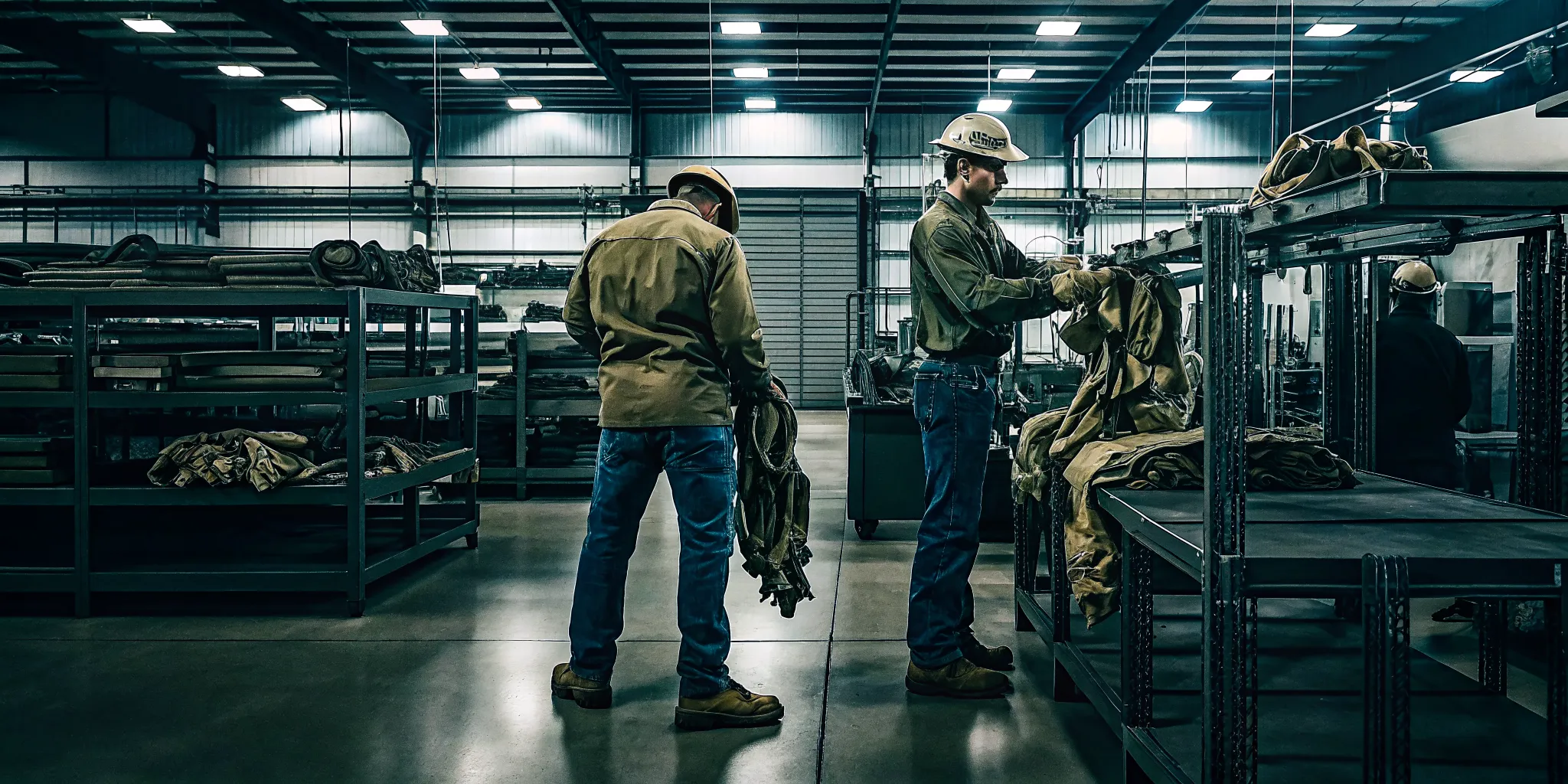
Buying tactical equipment needs proof of quality and source. Suppliers that build in the USA can guarantee their supply lines. Local shops can also check and test every run of safety webbing and hardware. This leads to better quality and less risk for the end user.
Fusion operates a certified U.S. plant in Chino, California. This plant is ISO 9001:2015 certified, which shows a strong focus on quality. They also make Berry Amendment and TAA compliant products. These features, along with their work with NASA, make them a trusted partner for high risk jobs.
What Standards and Certifications Matter for Tactical Equipment Government Contracts?
Federal buyers use strict rules to screen safety gear. When you sell gear to the military, a CAGE code for tactical equipment is just the first step. You must also prove that your goods meet specific laws and quality tests before you can win any bids. Agencies use these rules to filter out cheap or unsafe products. Knowing these key certs helps your business pass the complex federal procurement process.
| Standard | Scope | Why It Matters for Tactical Suppliers |
|---|---|---|
| Berry Amendment | DOD clothing, fabrics, and tactical gear | Requires 100% U.S. sourcing for military contracts |
| Trade Agreements Act (TAA) | Federal supply schedules and GSA contracts | Limits procurement to U.S. and designated trading partner countries |
| ANSI Z359 | Fall protection and rescue equipment | Sets safety benchmarks for harnesses, lanyards, and load-rated hardware |
| MIL-STD | Military-specific equipment testing | Verifies gear meets combat-environment durability requirements |
| ISO 9001:2015 | Quality management systems | Demonstrates consistent manufacturing processes and defect prevention |
Berry Amendment and domestic sourcing requirements
The Berry Amendment is a strict law for defense buys. It says that any clothing, fabrics, or tactical gear bought by the military must be grown or made in the United States. For a CAGE code tactical equipment vendor, this means every piece of webbing, metal, and thread must come from US sources. This rule applies to all major defense contracts.
Buying Berry Amendment compliant tactical manufacturing ensures that your bids meet these rigid domestic rules. This law helps secure the national supply chain and supports local workers. Officers will reject bids if they find foreign parts in the safety harnesses. Working with a domestic plant keeps your bids safe from these audits.
Trade Agreements Act and international standards
For non-defense contracts, the Trade Agreements Act (TAA) sets the rules. Under the TAA, the government can only buy products made in the US or in named countries. This rule applies to many federal supply schedules and open bids. It is a critical check for GSA schedule holders.
Keeping your CAGE and TAA compliance for tactical gear up to date helps you qualify for these large procurement plans. Officers look for these certs to prevent contract delays. It ensures that goods come from approved global trading partners. Many civil agencies require TAA compliance for all equipment buys.
Quality management and life safety ratings
Military gear must not fail in the field. Procurement teams search for vendors with proven quality systems. Having an active SAM account under FAR clause 52.204-7 lets officers know you are registered to bid. But to win, you must show you meet industry standards. These tests verify that the equipment can handle heavy loads in real combat.
This includes OSHA rules, ANSI Z359 fall protection, and MIL-STD testing. Using an ISO 9001:2015 certified vendor like Fusion Tactical ensures your safety equipment meets these high-stress demands. These certs prove that each batch of gear is safe for life-support tasks. Procurement managers rely on these quality seals to reduce risk.
Contact Fusion Tactical USA at (909) 393-9450 to discuss how our CAGE Code 0KQN1 and ISO 9001:2015 certified manufacturing support your federal procurement requirements.
Frequently Asked Questions
Why is a CAGE code required for tactical equipment contracts?
Federal agencies need a clear way to verify business locations and track vendors. According to the Defense Logistics Agency, a CAGE code is a unique identifier assigned to suppliers for government and defense agencies. This code ensures that procurement officers can safely buy rated hardware and safety gear from certified U.S. manufacturers.
Is a CAGE code the same as a SAM.gov registration?
No, they are different, but they work together. SAM.gov is the central database where you register your business to do work with the federal government. A CAGE code is a specific five-character ID assigned during that registration process. Under FAR 52.204-7, you must have an active SAM registration and a valid CAGE code to submit bids and receive federal payments.
How long does it take to get a CAGE code for defense contracting?
Getting your CAGE code often takes about ten to fifteen business days after you submit your SAM.gov registration. This time can vary based on whether the government needs to verify your business address or if they have a backlog of requests. Businesses should start this process early to make sure they can bid on contracts.
How often do you need to renew your CAGE code and SAM registration?
You must update your SAM.gov registration every twelve months to keep it active. While CAGE codes do not expire annually, they must be updated within five years of your last change. If your business name, address, or ownership changes, you must update your CAGE record. Active status is required to receive contract awards and payments under federal acquisition rules.
Can I search for a specific tactical equipment vendor's CAGE code?
Yes, you can use the official search tool on the Defense Logistics Agency website to find any registered contractor. For example, you can verify that Fusion Tactical USA maintains active status under CAGE Code 0KQN1. This lookup helps defense buyers quickly confirm that a supplier is certified and registered to receive contract awards.
Ready to Request Your Government Equipment Pricing?
Without an active CAGE code and SAM status, your business cannot bid on federal defense contracts. This simple oversight will lock you out of federal systems, stall your supply chains, and delay your agency projects. Completing your registration today gives you the speed needed to secure contracts before your competitors can even apply. Setting up these registrations now ensures your team is ready to submit a bid the moment a new government contract is posted. In addition, you must choose a partner who knows these standards. Working with a Berry Amendment compliant American manufacturer ensures your tactical gear meets strict military rules on day one. You can learn more about our certifications on our compliance page.
Ready to request government pricing? Call (909) 393-9450 to request government pricing or schedule an engineering consultation.


